Blog

  • What Is Repackaging?

    What Is Repackaging?

    This refers to the activity of altering the packaging of a product after its production, storage, or distribution.

    Repackaging can refer to putting the product in a new package or wrap, which may help with better protection or branding.

    Repackaging can simply mean putting a different look or shape on the product without changing what the product itself is.

    There are many different industries that use repackaging in their operations.

    Basic Meaning of Repackaging

    The basic meaning of repackaging is simple: It is the process whereby goods are taken out of their old packaging and put in new packaging.

    There are several reasons why re-packaging occurs, including making goods more visually appealing, damaged packaging, or to meet new regulations.

    Repackaging has a number of advantages for businesses.

    • Improves product presentation 
    • Fixes damaged packaging 
    • Supports branding updates 
    • Helps meet compliance rules 

    Why is Repackaging Done?

    Repackaging is done for practical and marketing reasons. Companies often want their products to look more attractive or align with new brand strategies.

    Sometimes, packaging gets damaged during transport, making repackaged goods necessary before resale.

    It also helps businesses relaunch products in new markets without changing the core product.

    • Key reasons include:
    • Branding improvements 
    • Damage replacement 
    • Market repositioning 
    • Seasonal redesigns 

    Types of Repackaging Methods

    There are different ways to repackage products depending on industry needs and product type.

    Each method serves a specific purpose and ensures product safety and appeal.

    Common types include:

    • Manual repackaging: Done by hand for small batches 
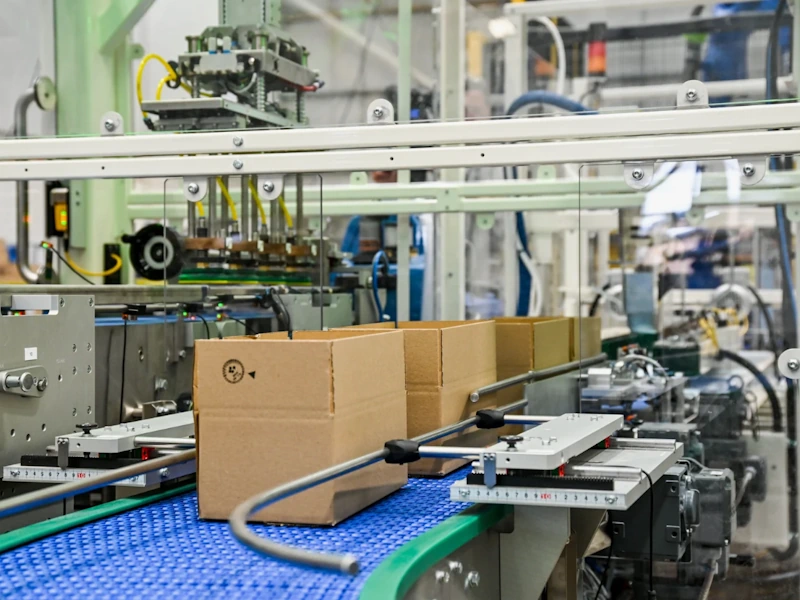
    • Automated repackaging: Uses machines for large-scale operations 
    • Retail repackaging: Adjusted for store display needs 
    • Bulk repackaging: Used for wholesale redistribution 

    Each method ensures efficiency and product consistency.

    Benefits of Repackaging

    Repackaging provides many advantages for businesses and customers. It helps improve product visibility, maintain quality, and extend shelf life.

    Companies often use repackaging to stay competitive in changing markets.

    Main benefits include:

    • Better product presentation 
    • Improved brand identity 
    • Reduced product waste 
    • Enhanced customer trust 

    It also allows companies to quickly adapt to market trends without changing the product itself.

    Industries That Use Repackaging

    Many industries depend on repackaging to manage product flow and branding. It is a common practice across global supply chains.

    Industries include:

    • Food and beverages 
    • Pharmaceuticals 
    • Cosmetics and skincare 
    • Electronics and accessories 

    Each industry uses repackage strategies differently. For example, food companies focus on freshness, while cosmetic brands focus on design and luxury appeal.

    Repackaging in the Supply Chain

    In supply chain management, repackaging plays an important role in product handling and distribution.

    Goods are often repackaged to meet shipping standards or retailer requirements.

    This process helps in organizing products into smaller or larger units depending on demand.

    It also ensures safer transportation and easier storage in warehouses and retail outlets.

    Repackaging supports:

    • Efficient logistics 
    • Better inventory control 
    • Reduced shipping damage 
    • Flexible product distribution 

    Quality Control in Repackaging

    Quality control is a major part of the repackaging process. Every product must be checked before and after repackaging to ensure safety and accuracy.

    This helps maintain product integrity and customer satisfaction.

    Quality checks include:

    • Inspection of packaging material 
    • Verification of product condition 
    • Sealing and labeling checks 
    • Compliance with regulations 

    Proper control ensures that repackaging does not affect product quality.

    Challenges in Repackaging

    While repackaging offers many benefits, it also comes with challenges.

    Businesses must ensure that the process is cost-effective and efficient without damaging the product.

    Common challenges include:

    • Increased labor cost 
    • Risk of contamination 
    • Packaging waste management 
    • Time-consuming processes 

    Despite these challenges, companies continue to invest in better technologies to improve repackaged product handling.

    Modern Trends in Repackaging

    Today, repackaging is becoming more advanced with automation and sustainable practices.

    Companies are focusing on eco-friendly materials and smart packaging designs.

    • Use of recyclable materials 
    • Smart labeling systems 
    • Automated packaging machines 
    • Minimalist design approaches 

    These innovations help businesses improve efficiency while reducing environmental impact in repackaging operations.

    Lightweight Packaging for Lower Shipping Costs

    Lightweight packaging reduces overall product weight, helping companies save on shipping expenses. It also improves handling and storage efficiency.

    • Reduces transportation cost 
    • Lowers fuel usage 
    • Easy to handle 
    • Improves logistics efficiency 
    • Supports bulk shipping 

    Tamper-Evident and Child-Resistant Packaging Solutions

    These packaging types ensure product safety and prevent unauthorized access. They are widely used in food, pharma, and cannabis industries.

    • Shows visible tampering signs 
    • Protects children from harm 
    • Increases consumer trust 
    • Meets legal compliance 
    • Enhances product safety 

    Subscription-Based Repackaged Product Formats

    This trend focuses on delivering repackaged products regularly in customized subscription boxes. It improves customer retention and convenience.

    • Monthly or weekly delivery 
    • Personalized product selection 
    • Consistent branding experience 
    • Boosts customer loyalty 
    • Predictable sales model 

    Custom Branding for Small-Batch Repackage Runs

    Small-batch repackaging runs allow businesses to test markets with unique branding. It is cost-effective and flexible for niche audiences.

    • Low production quantity 
    • Flexible design changes 
    • Targeted marketing approach 
    • Reduced inventory risk 
    • Ideal for product testing 

    Conclusion

    It has wide applications ranging from improving brands and solving problems relating to packaging to meeting the demands of the market.

    Repackaging forms a significant component of supply chain management systems, right from manual methods to automation-based packaging.

    With time, as markets change, there will be a need for more efficient product repackaging.
  • Rigid Plastic Packaging Market

    Rigid Plastic Packaging Market

    Rigid Plastic Packaging Market Shows Strong Growth, Innovation, and Long-Term Expansion Outlook

    The global rigid plastic packaging market is on a strong growth path.

    The market size of the packaging material is projected to increase from USD 374.19 billion in 2026 to USD 653.99 billion in 2035, indicating a CAGR of 6.4% over the forecast period.

    The growth can be attributed to increasing demand in the food, beverages, healthcare, and personal care markets.

    Growth in urbanization and e-commerce also drives packaging needs worldwide.

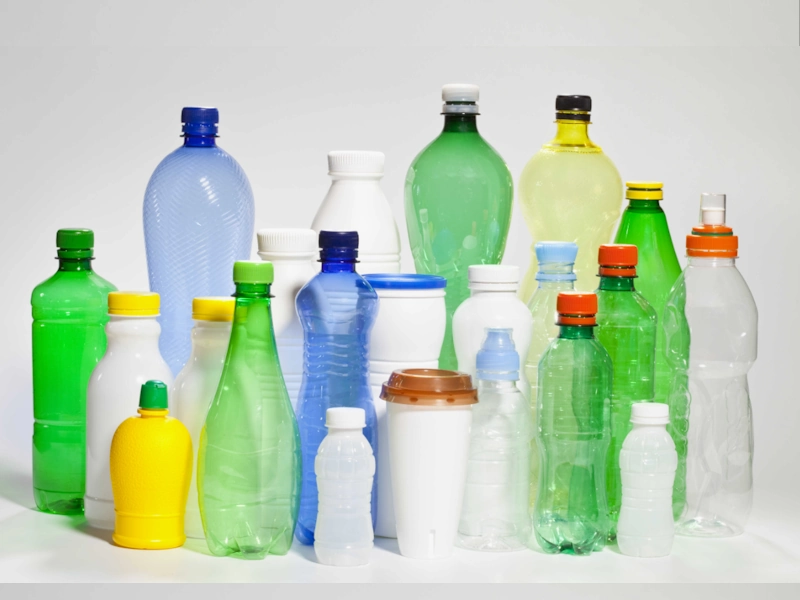
    Bottles, jars, trays, tubs, and containers come under rigid packaging.

    Such materials are sturdy and maintain their shape even when exposed to pressure.

    These keep packaging safe from harm, moisture, and contamination.

    In addition, clear plastics, such as PET, allow the contents to be visible.

    Branding and customer confidence can also be promoted through visibility. The lightweight nature also cuts down on shipping costs.

    The market will witness growth in all key regions. APAC leads the market in terms of value. NA holds promising growth prospects for the near future.

    Market Size and Forecast

    The rigid plastic packaging market shows steady expansion.

    • Market size in 2025: USD 351.68 billion 
    • Market size in 2026: USD 374.19 billion 
    • Projected market size in 2035: USD 653.99 billion 
    • CAGR (2026–2035): 6.4%. 
    • Market volume is also increasing.
    • Volume in 2025: 125.0 million tons 
    • Volume in 2035: 210.0 million tons 
    • Volume CAGR: 5.3% 
    • Average prices are also rising slightly.
    • Average price in 2025: USD 2,816 per ton 
    • Average price in 2035: USD 3,114 per ton 
    • Price CAGR: 1.0% 

    Key Market Insights

    • Asia Pacific held the largest market share in 2025. 
    • North America is expected to grow significantly. 
    • Bottles and jars led product demand. 
    • Injection molding dominated production methods. 
    • PET remained the leading material. 
    • The food industry was the largest end-user segment. 

    Market Drivers

    Growth Of E-Commerce And Retail Expansion

    Online shopping is a major growth driver. It increases demand for strong and safe packaging.

    Rigid plastic packaging protects products during long shipping routes. It prevents leakage, breakage, and contamination.

    Fast urban lifestyles also increase demand for portable packaging. Consumers prefer easy-to-use and resealable containers.

    Industries like food delivery, cosmetics, and healthcare rely heavily on rigid packaging.

    Companies such as Amazon are expanding logistics networks, increasing packaging demand further.

    Demand For Durability And Safety

    Rigid plastic packaging is strong and impact-resistant. It keeps products safe during handling and transport.

    It is widely used in beverages, pharmaceuticals, and household goods. It also supports tamper-proof and sealed packaging designs.

    This improves product safety and shelf life.

    Rise In Ready-To-Eat Food Consumption

    Ready-to-eat meals are becoming more popular globally. This increases demand for sealed and hygienic packaging.

    Rigid plastic containers maintain food freshness. They also prevent contamination during delivery.

    Market Restraints

    Competition from Flexible and Eco-Friendly Materials

    Flexible packaging is lighter and cheaper. It uses less material and reduces shipping costs.

    This makes it attractive for many companies.

    Biodegradable and paper-based packaging is also growing. Many brands are shifting toward eco-friendly alternatives.

    This is limiting the growth of rigid plastic packaging in some segments.

    Market Opportunities

    Sustainability And Recycling Innovation

    There is strong demand for recyclable plastics. Companies are investing in rPET and bio-based materials.

    Closed-loop recycling systems are also expanding.

    These systems reduce waste and support sustainability goals.

    Asia Pacific and Latin America offer strong growth opportunities due to rising consumption and urbanization.

    Technology and Innovation Trends

    Smart And Functional Packaging

    Packaging is becoming more intelligent. QR codes and RFID tags are widely used.

    They improve traceability and customer engagement.

    Some advanced systems can even monitor product freshness.

    AI-Driven Manufacturing Improvements

    AI is transforming production lines.

    • It helps design lighter and stronger packaging. It also reduces material waste.
    • AI systems monitor machines in real time. They detect defects and improve efficiency.
    • They also predict maintenance needs, reducing downtime.
    • AI improves supply chain planning and reduces logistics costs.

    Segment Analysis

    By Product Type

    Bottles and jars dominated the market in 2025. They are widely used across industries.

    They are lightweight, durable, and cost-effective.

    They are used in food, beverages, cosmetics, and pharmaceuticals.

    By Production Process

    Injection molding held a strong position in 2025.

    It supports high-speed mass production.

    It also allows complex and customized packaging designs.

    By Material

    PET led the market in 2025.

    It is strong, lightweight, and recyclable.

    It provides good barrier protection for food and beverages.

    It also improves product visibility and branding.

    By End-User

    The food industry dominated the market.

    Rigid packaging keeps food safe and fresh.

    It also supports fast delivery and online food ordering growth.

    Pharmaceuticals are also growing fast due to strict safety requirements.

    Regional Insights

    Asia Pacific

    Asia Pacific held the largest share in 2025.

    • Strong population growth supports high demand.
    • E-commerce and food delivery services are expanding rapidly.
    • Countries like China and India are major production hubs.

    North America

    North America is expected to grow strongly.

    • The region is adopting advanced packaging technology.
    • Sustainability and recycling trends are increasing.
    • Smart packaging solutions are also expanding.

    Europe

    Europe is focused on sustainability regulations.

    • Strict recycling laws support eco-friendly packaging.
    • Companies are shifting toward reusable and recyclable materials.

    Latin America

    Growth is driven by Brazil and Mexico.

    • Urbanization and retail expansion are increasing demand.
    • E-commerce is also supporting packaging adoption.

    Middle East & Africa

    Growth is supported by a rising population and retail expansion.

    • Food and pharmaceutical sectors are driving demand.
    • Countries like Saudi Arabia and South Africa are leading the adoption.

    Competitive Landscape

    The market is highly competitive and innovation-driven.

    Key players include Amcor, Berry Global, Silgan Holdings, Sealed Air, and Huhtamaki.

    These companies focus on recycling, lightweight materials, and smart packaging solutions.

    They also invest in automation and advanced production systems.

    Conclusion

    The rigid plastic packaging market is entering a strong growth phase. Demand is rising across food, healthcare, and retail sectors.

    Innovation in AI, recycling, and smart packaging is shaping the future.

    E-commerce and urban lifestyles continue to support market expansion.

    Overall, the rigid plastic packaging market is expected to grow steadily and remain a key part of global packaging systems through 2035.

  • Packaging Automation Market

    Packaging Automation Market

    North America Packaging Automation Market Shows Strong Growth Through 2031, Driven by Labor Gaps, E-Commerce, and AI Adoption

    The packaging automation market in North America is entering a strong growth phase.

    Market size will be USD 21.53 billion in 2026 and will grow further to USD 28.42 billion by 2031, demonstrating an average compound annual growth rate of 5.71% during the forecasted period.

    There are factors other than efficiency that drive growth. Now, it is associated with the continuity of work processes.

    There is a shortage of labor in many industries, while labor costs keep growing. Thus, firms go for the automation of their packing operations.

    The first users of the solutions will continue to be the food, beverage, and pharmaceutical industries.

    They seek to increase capacity in case of a labor shortage. Automation is becoming an essential part of the work process rather than an option.

    Automation is also gaining new forms. Today, modular and servo-driven machinery prevails.

    They have the ability to quickly change over from one product to another. Most modern equipment allows changing recipes in 10 minutes. 

    Robotics, vision technology, and AI-based solutions are also rapidly advancing. The cost is lower.

    As a result, automation became available for medium-sized businesses. Robots for palletizing and inspection equipment are commonly used in many factories nowadays.

    The government plays a part here too. Canada uses incentives, making the payback period shorter.

    In the United States, rigid immigration policies make a labor shortage inevitable. Therefore, the need for automation is higher.

    Key Report Takeaways

    • Manufacturers held 48.65% market share in 2025. 
    • Palletizing equipment is growing at a 7.13% CAGR (2026–2031). 
    • Fully automatic systems held a 63.31% share in 2025. 
    • Pharmaceutical applications will grow at a 6.89% CAGR. 
    • The United States held 73.81% market share in 2025. 

    Market Drivers

    Labor shortages continue to push automation

    The manufacturing sector in North America is facing a long-term labor gap. Many plants struggle to find skilled workers. Rural facilities are most affected.

    This shortage is forcing companies to adopt robots. Automation is now seen as a way to maintain production stability. It is not just about reducing cost.

    Food and beverage plants are especially impacted. These industries require continuous production. Any downtime leads to supply chain losses.

    Automation systems now replace multi-shift labor teams. One operator can now manage a full robotic line. This improves uptime and reduces dependency on manual labor.

    E-Commerce Is Changing Packaging Demand

    Online retail is increasing SKU complexity. Companies now manage thousands of product variations.

    Order sizes are smaller. Changeovers are more frequent. This creates pressure on production lines.

    Automated systems solve this issue. They allow fast switching between products. They also support mixed-case packaging.

    Large companies like Amazon are investing heavily in robotics. Over 750,000 robotic units are already in use in fulfillment operations.

    This trend is also strong in smaller warehouses. Micro-fulfillment centers need compact and flexible systems.

    Sustainability Regulations Reshape Packaging

    New rules are changing packaging materials. Companies must shift toward recyclable mono-materials.

    This creates technical challenges. Different materials need different machine settings.

    Automation equipment now includes adaptive sealing tools. These tools adjust to material changes.

    States like California are leading the regulation. Non-compliance can block market access.

    This is increasing investment across North America.

    Market Restraints

    High Initial Cost Remains A Barrier

    Automation systems are expensive. A full robotic line can cost over USD 2 million.

    Small companies find it difficult to afford. Payback periods are also long.

    Some firms use leasing models. Others adopt automation-as-a-service.

    However, adoption is still faster among large enterprises.

    Integration Challenges With Old Systems

    Many factories still use old control systems. These systems are not compatible with modern machines.

    Upgrades require rewiring and downtime. This increases cost and risk.

    Cybersecurity is also a concern. Legacy systems lack protection.

    This slows down modernization in some industries.

    Segment Analysis

    By Business Type

    Manufacturers still lead the market. They held a 48.65% share in 2025.

    However, e-commerce companies are growing faster. They are adopting flexible packaging systems.

    Retail fulfillment centers now use robotic packaging stations. These systems handle mixed orders efficiently.

    By Product Type

    Conveying and handling systems remain essential.

    But palletizing robots are growing quickly. They are expected to grow at a 7.13% CAGR.

    These robots help manage complex order structures.

    Companies like ABB offer advanced palletizing solutions. These systems handle multiple case sizes in one shift.

    By Automation Level

    Fully automatic systems dominate the market. They held a 63.31% share in 2025.

    This share is expected to increase further.

    Mid-sized companies are now adopting automation due to lower robot costs.

    Automation reduces dependency on manual labor.

    Semi-automatic systems still exist. But their share is declining.

    Competitive Landscape

    The market is highly competitive. It includes global automation leaders and niche machine builders.

    Major players include ABB, Rockwell Automation, Siemens, and Schneider Electric.

    These companies offer full automation ecosystems. They combine hardware, software, and control systems.

    Specialized firms also play a key role.

    Conclusion

    The North American packaging automation market is entering a strong transformation phase.

    Labor shortages, e-commerce growth, and regulatory pressure are reshaping the industry.

    AI and robotics are making systems smarter and more affordable.

    Automation is no longer optional. It is becoming a core requirement for production stability and competitiveness.

    Overall, the packaging automation market will continue to expand steadily through 2031, supported by innovation, regulation, and rising operational demand.

  • Baby Food Packaging Market

    Baby Food Packaging Market

    Baby Food Packaging Market Experiences Robust Expansion Fueled by Increasing Demand for Safe, Easy-to-Use, and Portion-Based Packaging Solutions

    The global baby food packaging market is showing steady growth owing to the rising need for hygienic, convenient, and sterile packaging systems.

    The global baby food packaging industry has been witnessing steady growth since there is a rising need for nutritious, safe, and portion-controlled baby food products.

    According to market research, the North American region is seeing a shift from USD 2.04 billion in 2023 to USD 2.19 billion in 2024 because of the increased demand for innovative packaging solutions.

    A major trend shaping the baby food packaging market is the rising adoption of portion-controlled packaging.

    This format provides pre-portioned meals that do not require any kind of preparation effort.

    The packaging guarantees convenience for parents and caregivers, who always need a quick solution to feed their children.

    Pouch and container packages have gained popularity as they help in avoiding any kind of waste, ensure hygiene, and provide consistency in the intake of nutrition.

    Portion-based packaging is set to experience growing demand during the forecast period due to its increasing relevance.

    Another important application of portion-based packaging is that it enables healthy infant nutrition.

    Parents get an opportunity to keep track of how much food their infants consume, thereby promoting good eating habits in them.

    Hygiene, safety, and convenience are some of the main reasons why consumers prefer such types of packaging.

    In recent times, there has been an increased focus on developing innovative portion control packaging formats that will reduce contamination risk and enhance the usability of the products.

    Baby Food Packaging Market Growth Factors

    A key driver of the baby food packaging market is the increasing demand for pouch-based packaging solutions.

    Stand-up pouches are widely used due to their lightweight structure, portability, and cost efficiency.

    These packaging formats are easier to transport and require less material compared to rigid alternatives.

    Additionally, they support eco-friendly initiatives by reducing plastic usage while maintaining durability and product safety.

    Their multi-layer structure enhances protection against moisture, air, and contamination, ensuring a longer shelf life for baby food products.

    Pouches are especially preferred by working parents due to their ease of use. They are simple to open, reseal, and store, making them highly convenient for on-the-go feeding.

    In the baby food packaging market, innovations such as microwave-safe and reusable pouches are further improving consumer convenience.

    These features not only enhance usability but also support brand differentiation in a highly competitive market.

    As sustainability becomes a priority, pouch packaging is expected to witness continued strong growth.

    Growing consumer awareness regarding food sources and nutrition is another important factor driving the baby food packaging market.

    Parents are increasingly concerned about the quality and safety of baby food products, leading to higher demand for transparent and secure packaging solutions.

    Eco-friendly packaging materials are also gaining popularity as sustainability becomes a key purchasing factor.

    Manufacturers are responding by introducing safer and more responsible packaging formats, including spouted pouches that enhance controlled feeding and reduce spillage.

    Restraining Factors

    Despite strong growth, the baby food packaging market faces challenges related to product perishability and packaging defects.

    Baby food products are highly sensitive and require specialized packaging materials to maintain freshness and safety.

    Improper packaging can lead to contamination, spoilage, and reduced shelf life, increasing operational costs for manufacturers.

    These risks also affect brand reputation and consumer trust, making quality control a critical concern in the industry.

    Packaging failures or defects can directly impact product safety, especially in infant nutrition.

    Any contamination issue can lead to serious health concerns and regulatory scrutiny.

    This creates pressure on manufacturers to invest in advanced materials and strict quality assurance systems.

    As a result, while innovation is increasing, cost pressures and technical challenges continue to restrain the full growth potential of the baby food packaging market.

    Baby Food Packaging Market Segmentation Analysis

    Based on material, plastic remains the leading segment in the baby food packaging market due to its lightweight structure, durability, and cost efficiency.

    Plastic offers excellent sealing properties that help extend shelf life and protect food quality.

    Metal packaging holds the second-largest share due to its strength, barrier properties, and resistance to contamination, making it suitable for long-term storage solutions.

    Based on type, liquid baby food dominates the market due to its ease of consumption and convenience.

    Liquid products are widely packaged in pouches and bottles, making them suitable for on-the-go feeding.

    The dried segment also holds a significant share, driven by demand for long-lasting and easy-to-store baby food options in busy households.

    Based on product type, bags and pouches hold the largest share in the baby food packaging market due to their portability, lightweight design, and extended shelf life benefits.

    Boxes and cartons follow as the second-largest segment, offering strong protection for dry and semi-solid baby food products while maintaining easy storage and transport efficiency.

    Regional Insights

    North America leads the global baby food packaging market, driven by busy lifestyles, strong industry presence, and continuous innovation in packaging technology.

    The region reached USD 2.34 billion in 2025 and continues to show strong growth potential.

    Europe follows with strict food safety regulations and increasing demand for sustainable packaging solutions.

    Asia Pacific is witnessing rapid growth due to rising population, urbanization, and expanding e-commerce channels.

    Latin America and the Middle East & Africa are also experiencing steady growth supported by increasing awareness and improving disposable income.

    Competitive Landscape

    The baby food packaging market is highly competitive, with several global players focusing on innovation and expansion.

    Key companies include Amcor, Winpak Ltd, Sonoco, Tetra Pak, Printpack, Trivium Packaging, Huhtamaki, Scholle IPN, Greiner Packaging, and Constantia Flexibles.

    These companies are investing in advanced packaging technologies, sustainable materials, and smart packaging solutions to strengthen their market position.

    Strategic partnerships and product innovation remain key growth strategies across the industry.

    Final Verdict

    The baby food packaging market is expected to witness strong and sustained growth driven by increasing demand for safe, convenient, and portion-controlled packaging solutions.

    Rising consumer awareness, technological advancements, and growing preference for eco-friendly packaging are shaping market development.

  • Anti-Counterfeit Packaging Market

    Anti-Counterfeit Packaging Market

    The total market value for US anti-counterfeit packaging amounted to USD 34,825.3 million in 2025.

    The demand for anti-counterfeit packaging market is constantly increasing since more companies invest in modern security packaging solutions in order to secure their brands and prevent financial losses due to fake products.

    As reported by IMARC Group, the global market will amount to USD 45,589.4 million by 2034, demonstrating a CAGR of 2.95% from 2026 to 2034.

    United States Anti-Counterfeit Packaging Market Overview

    AttributeDetails
    Base Year2025
    Historical Period2020–2025
    Forecast Period2026–2034
    Market Size (2025)USD 34,825.3 Million
    Market Forecast (2034)USD 45,589.4 Million
    CAGR (2026–2034)2.95%

    Counterfeit-proof packaging includes technologies and methods that help avoid the duplication and unauthorized reproduction of products.

    Anti-counterfeiting technologies include such elements as tamper-proof seals, holograms, RFID chips, barcodes, and covert codes.

    The goal is to guarantee product legitimacy, keep consumers away from fake products, and assist manufacturers in protecting their revenue and reputation.

    The advancement of counterfeiting means that organizations need to combine visible and covert anti-counterfeiting measures for their products’ packaging.

    The rising importance of the anti-counterfeit packaging market is driven by growing concerns across industries.

    There is a heavy investment in intelligent packaging technology, which can track and authenticate products at any time during the supply chain.

    Moreover, stringent compliance regulations by the authorities have compelled companies to use a secure packaging system.

    Market Trends Driving Growth

    The anti-counterfeit packaging market in the United States is witnessing rapid transformation due to technological advancements and increasing security requirements.

    Businesses are widely adopting technologies such as barcodes, RFID (Radio-Frequency Identification), holograms, and taggants to enhance traceability and prevent duplication.

    These technologies help verify product identity at multiple stages of distribution, reducing the risk of counterfeit infiltration.

    Another key trend is the rising use of digital authentication systems that allow instant product verification.

    This is particularly important in sectors like healthcare and food, where product safety is critical.

    Companies are also combining physical security features with digital tools to build multi-layered protection systems.

    The expansion of e-commerce has further increased the need for secure packaging solutions.

    With more products being shipped directly to consumers, the risk of counterfeit goods entering supply chains has grown significantly.

    As a result, businesses are strengthening packaging security across both offline and online distribution channels.

    Market Segmentation Overview

    The United States anti-counterfeit packaging market is segmented based on technology, feature type, and end-use industry.

    Segment TypeCategories
    TechnologyBarcodes, RFID, Holograms, Taggants, Others
    Feature TypeOvert Features, Covert Features
    End Use IndustryFood & Beverage, Healthcare, Automotive, Consumer Electronics, Others
    RegionsNortheast, Midwest, South, West

    By technology, the market includes barcodes, RFID systems, holograms, taggants, and other advanced solutions.

    Barcodes and RFID remain widely used due to their efficiency in tracking and data storage, while holograms and taggants offer high-security authentication.

    By feature type, the market is divided into overt and covert features.

    Overt features are visible to consumers, such as seals and holograms, allowing quick verification.

    Covert features are hidden and require specialized tools for authentication, providing an additional layer of security.

    Technology Segment Analysis 

    TechnologyDescriptionKey Use CasesMarket Importance
    BarcodesMachine-readable codes used for product identification and trackingRetail goods, logistics, food packagingWidely adopted due to low cost and easy integration
    RFID (Radio-Frequency Identification)Wireless tracking using radio waves for real-time data exchangeHealthcare, supply chain, automotiveHigh accuracy tracking and anti-theft capabilities
    Holograms3D visual security images difficult to replicatePharmaceuticals, luxury goods, electronicsStrong visual authentication for consumers
    TaggantsChemical or physical markers embedded in packaging materialsHigh-value products, defense, pharmaHighly secure covert authentication method
    OthersIncludes digital watermarking, smart labels, and forensic markersEmerging industries and niche applicationsGrowing adoption with smart packaging innovation

    By end-use industry, the market includes food and beverage, healthcare, automotive, consumer electronics, and others.

    The healthcare sector represents a major share due to strict regulatory requirements, while food and beverage industries rely heavily on secure packaging to maintain quality and safety.

    Regional Outlook

    The United States anti-counterfeit packaging market is segmented into the Northeast, Midwest, South, and West regions.

    The South and West regions are experiencing strong growth due to expanding manufacturing and technology sectors.

    Meanwhile, the Northeast and Midwest regions continue to invest in advanced security packaging, particularly in healthcare and industrial applications.

    Competitive Landscape

    Key players operating in the market include Authentix, Ennoventure Inc., NeuroTags Inc., and Systech International, among others.

    These companies are focusing on innovation, research and development, and strategic partnerships to strengthen their market position.

    The integration of AI-based tracking systems and digital authentication solutions is becoming a major competitive strategy across the industry.

    About the Market

    The anti-counterfeit packaging market is becoming a critical component of modern supply chains, driven by rising counterfeit threats and increasing demand for product safety.

    With continuous advancements in packaging technologies and growing regulatory support, the market is expected to experience steady and sustained growth over the forecast period.

  • How Many Pallets Fit in a Truck?

    How Many Pallets Fit in a Truck?

    The number of pallets that can fit inside a truck plays a significant role in the effective planning of cargo shipments.

    This is because the more pallets that can fit within a truck’s load limit, the fewer trips will be required to complete the shipment process.

    In the shipping industry, cargo trailers have fixed capacities in terms of the size of the load they carry.

    Therefore, it follows that the most common standard pallet sizes used are 26 single-layered pallets in a 53-foot dry van trailer.

    Proper loading methods like pinwheel pallet loading can also help maximize trailer space.

    Standard Pallet Sizes and Dimensions

    It is necessary to determine the size of the pallet that will be loaded on the truck before determining the capacity of the trailer. The 48-inch by 40-inch GMA pallet is the most prevalent pallet used across North America.

    It is widely used due to its versatility and compatibility with trailer loading and warehouses.

    Common Pallet Sizes

    Different industries use different pallet sizes depending on the products being shipped.

    Pallet TypeDimensionsCommon Uses
    GMA Pallet48″ × 40″Retail and grocery
    European Pallet47.24″ × 39.37″International shipping
    Block Pallet48″ × 48″Industrial products
    Half Pallet48″ × 20″Retail displays

    Wooden pallets remain the most common choice because they are affordable and widely available.

    53-Foot Dry Van Trailer Capacity

    The 53-foot dry van trailer is the most common trailer used for full truckload shipping.

    It provides large cargo space and protects products from weather and road debris.

    The trailer interior is usually around:

    • 53 feet long 
    • 8 feet 6 inches wide 
    • 9 feet high 

    A standard 53-foot trailer can hold:

    26 pallets single-stacked 

    Up to 52 pallets double-stacked 

    Most loaders place pallets in two straight rows inside the trailer. This arrangement keeps the load balanced and organized.

    How Pallets Are Arranged?

    Standard pallets are often loaded lengthwise. This creates enough room for 13 pallets on each side of the trailer. Straight loading is simple and widely used in freight shipping.

    Some companies also use advanced pallet loading patterns to fit pallets more efficiently. These methods may rotate or reposition pallets to reduce empty spaces.

    48-Foot Trailer Capacity

    The 48-foot trailer is slightly smaller than a 53-foot trailer. It is commonly used for regional deliveries and routes with length restrictions.

    Its interior dimensions are close to:

    • 48 feet long 
    • 8 feet 6 inches wide 
    • 9 feet high 

    This trailer usually fits:

    • 24 pallets single-stacked 
    • Up to 48 pallets double-stacked 

    Although smaller, it still supports efficient pallet transportation for medium-sized freight loads.

    40-Foot Shipping Container Capacity

    The 40-foot container is popular in international and intermodal shipping. It is narrower than a dry van trailer, so fewer pallets fit inside.

    Typical container dimensions include:

    • 39 feet 5 inches long 
    • 7 feet 8 inches wide 
    • 7 feet 9 inches high 
    • Most 40-foot containers carry:
    • 18 to 20 pallets single-stacked 
    • 36 to 40 pallets double-stacked 

    The smaller width often requires different pallet arrangements to maximize space.

    26-Foot Box Truck Capacity

    Box trucks are commonly used for local deliveries and smaller freight loads. They are easier to drive in urban areas and work well for short-distance shipping.

    A standard 26-foot box truck usually holds:

    • 12 pallets single-stacked 
    • Up to 24 pallets double-stacked 

    These trucks are ideal for businesses that do not need a full-size trailer for deliveries.

    Factors That Affect Pallet Capacity

    Trailer size is not the only factor affecting pallet capacity. Several other details can change how many pallets fit safely inside a truck.

    Pallet Size and Orientation

    Larger pallets take up more floor space and reduce trailer capacity. Smaller pallets may allow more units to fit inside the truck.

    Pallet direction also matters. Some companies use pinwheel loading methods to rotate pallets and fill gaps more effectively.

    This method may improve space usage for non-standard pallets or special cargo shapes.

    Cargo Weight

    Every truck has a legal weight limit. Heavy cargo may reach the maximum weight before the trailer becomes full.

    Important weight factors include:

    • Empty pallet weight 
    • Product weight 
    • Total cargo weight 
    • Trailer weight limits 

    Heavy products like metal parts or liquids may reduce the number of pallets allowed inside the truck.

    Cargo Height and Stackability

    Double-stacking can increase trailer capacity, but not all products can handle stacking safely.

    Products that may not support stacking include:

    • Glass items 
    • Electronics 
    • Fragile goods 
    • Irregularly shaped products 

    Pallet height must also stay within the trailer’s vertical space limit.

    Loading Equipment

    Loading tools also affect pallet positioning. Forklifts and pallet jacks need room to move during loading and unloading.

    Sometimes loaders leave small spaces between pallets for safer handling. Proper loading improves both safety and shipment stability.

    How to Calculate Pallet Capacity

    Businesses often calculate pallet capacity before booking freight shipments. This helps avoid wasted space and prevents overloading.

    Step 1: Measure Your Pallets

    Measure the pallet length, width, and loaded height carefully. Accurate dimensions improve shipment planning.

    Step 2: Measure Trailer Dimensions

    Check the trailer’s interior dimensions before loading. Different trailers provide different cargo space.

    Step 3: Calculate Floor Positions

    Divide the trailer width by the pallet width to see how many fit side-by-side. Then divide trailer length by pallet length.

    Multiply these numbers to estimate the total floor pallet positions.

    Step 4: Check Double-Stacking

    Double-stacking only works if:

    • Cargo can handle weight 
    • Combined height fits inside the trailer 
    • Total shipment stays within legal weight limits 
    • This step is important for maximizing trailer capacity safely.

    Some companies use a pallet loading diagram to visualize pallet placement before loading begins. This helps workers organize freight more efficiently.

    Choosing the Right Trailer

    Selecting the right trailer depends on shipment size, cargo weight, and delivery distance.

    A 53-foot dry van works best for large shipments with many pallets. Smaller shipments may use box trucks or less-than-truckload services instead.

    Dry van trailers are preferred because they protect freight from:

    • Rain 
    • Dust 
    • Sunlight 
    • Road debris 

    The enclosed trailer also improves cargo security during transportation.

    Benefits of Efficient Pallet Loading

    Proper pallet loading saves money and improves shipping performance. Businesses can transport more products while reducing freight costs.

    • Better trailer space usage 
    • Lower shipping expenses 
    • Improved cargo safety 
    • Faster loading and unloading 
    • Reduced product damage 

    Professional loaders often use smart loading techniques to improve trailer efficiency.

    Importance of Experienced Carriers

    Experienced carriers understand how to maximize pallet capacity while following transport regulations. They know how to balance loads safely and reduce shipping risks.

    Skilled freight teams also understand trailer dimensions, cargo limits, and safe stacking practices. This helps businesses avoid costly loading mistakes.

    Many freight companies use organized loading systems and advanced planning methods to improve shipping efficiency.

    Conclusion

    Understanding trailer capacity helps businesses plan freight shipments more effectively.

    Standard pallet sizes and trailer dimensions determine how many pallets fit inside a truck.

    Loading methods, cargo weight, and stacking ability also affect final capacity.

    Techniques like pinwheel pallet loading and organized pallet arrangements can improve trailer space usage.

    Businesses also use special loading methods and smart planning to maximize efficiency.

    Choosing the correct trailer and using proper loading techniques help reduce costs, improve safety, and protect products during transportation.

  • How to Easily Calculate the Packaging Cost?

    How to Easily Calculate the Packaging Cost?

    It may not be difficult to calculate packaging cost when you are aware of what to include.

    Begin by listing all materials such as boxes, labels, and inserts. Then there is the cost of labor, production, and shipping.

    Other items, such as coating or embossing, are also added to the overall. All this will give the overall packaging cost.

    The knowledge of this assists businesses in planning their budgets well and prevents surprises.

    It is also used to make intelligent decisions regarding the materials and production techniques through clear computations.

    Know Your Packaging Price 

    You must focus on every part of the cost. Begin with such materials as boxes, paper, and labels.

    Add printing, coatings, and inserts. Then there is the labor and cost of production, such as machine work or assembly. Handling and shipping fees are included, too.

    Additional options, such as embossing or special finishes, will increase the cost but will enhance the appearance of the product.

    Disparagement of every segment provides an accurate picture of costs. This makes budgeting easier.

    Pricing of your packaging can assist in project planning and ensure you do not spend heavily or run into surprises.

    Types of Packaging Materials and Their Cost 

    The packaging material will influence the cost and protection. The correct type selected ensures that products are kept safe and costs are controlled.

    • Cardboard

    This is easy and less costly. Thin boards are cheaper. Thicker ones are stronger but more expensive. Most products can be printed on cardboard.

    • Corrugated

    These boxes are robust and ideal for shipping. Double-wall boxes are more expensive but are used for heavy or fragile products.

    • Green Materials

    Green packaging has various options. Kraft paper costs more but attracts environmentally-conscious customers.

    • Luxury and Rigid Boxes

    They give a premium feel. They cost more because of thicker materials and finishing. 

    Select the right material that balances cost and appearance. Comparing materials before deciding helps you make smart choices for each product.

    Factors That Affect Cost

    Packaging costs can be altered by a number of factors. By knowing them, it is easy to plan budgets appropriately. 

    • Size of Packaging

    Large boxes require more material and are more expensive. The shipping cost can also rise in the case of extra-large boxes. Small boxes are relatively cheaper, and they might require additional padding. 

    • Design and Printing 

    Personal designs or full-color prints are higher in cost. Simple designs are cheaper.

    Embossing, foiling, or complex logos are costly to package. Quantity Ordered:

    The bigger orders save on per-unit costs. Small orders are expensive per unit due to the fixed costs of setting up and production. 

    • Finishing Options 

    Packaging can be made to appear high-end through the use of coatings, embossing, or foil stamping, at a high price. 

    • Special Inserts

    Dividers, protection inserts, or trays are additional expenses. They enhance the safety and display of the products. 

    The knowledge of these factors contributes to the control of costs.

    When packaging is planned with such considerations, costs remain realistic, and no surprises are encountered.

    Labor and Production Costs 

    Work required to prepare packaging comes under labor and production costs.

    There are costs of machines, printing, cutting, and assembly. With skilled labor, quality is guaranteed, but at a higher cost.

    Automation of production is able to save labor, but an investment would be required.

    Small production batches are more expensive when compared to a unit since the setup time is fixed.

    Massive production is more cost-effective and efficient. The cost of labor and production, taken into account, assists in planning the total cost of packaging in total.

    Being aware of these numbers will guarantee the maintenance of budgets, and they will avoid unwanted surprises.

    Shipping and Handling Costs 

    Packaging costs include shipping and handling costs. The price is dependent on weight, size, and shipping distance.

    Dainty objects might require additional cushions, which will be expensive.

    Mass-based orders have the potential to reduce the unit cost. Lightweight yet tough packaging is cost-effective and also safeguards products.

    Handling and storage in the warehouses should be taken into consideration.

    The inclusion of these costs in the sum provides a real picture of costs.

    Good planning would mean that customers receive their products without the risk of having to bear additional charges.

    Use Online Packaging Cost Calculators 

    Online packaging cost calculation tools ensure that cost estimation is easy.

    Calculators can be used for both small and large batches, or new products that have a business of any size.

    They give a clear perspective of what should be spent before production is undertaken. 

    Tips to Reduce Packaging Costs

    Simple changes and smart planning assist. You can decrease the cost without compromising on quality.

    • Choose Standard Sizes

    The standard box sizes are cheaper to manufacture. They also transport cheaply without incurring an additional expense.

    • Use Lightweight Materials

     Lighter materials reduce the cost of shipping and materials.

    • Order in Bulk

    Purchasing in bulk will lower the unit cost. Mass orders are cost-effective in the long run.

    • Simplify Design

    The cost of minimal printing and simple finishes is lower. The unnecessary use of complicated logos should be avoided.

    • Optimize Inserts

    Only use inserts when needed. Correctly sized inserts compromise security and expenditure.

    Such tips manage the costs and retain packaging efficiency. Proper planning would make products safe and costs manageable.

    Calculate the Final Price Made Easy 

    To obtain the final packaging price, sum all the costs. The first one is materials, then labor, and production.

    Include freight, handling, and other finishes or inserts. Check the sum of money. Break results in unit-based costs.

    It can be done faster and easier by using online calculators. The quality and cost balance is achieved through comparison of the materials and designs.

    Make sure that you do the final calculation properly to make sure that your budget is realistic and also to plan on packaging without any surprises.

    Conclusion 

    It is not difficult to compute the packaging cost when you factor in all parts.

    Begin with materials, labor, and freight. Include design, finishes, and inserts.

    This can be simplified with the help of online calculators. The total cost is known to plan, budget, and prevent surprises.

    Innovative decisions in resources, design, and manufacture make packaging lean and low-cost.

    Easy cost computation guarantees that goods are secure, polished, and inexpensive.

    Packaging is easily predictable and smooth with adequate planning.

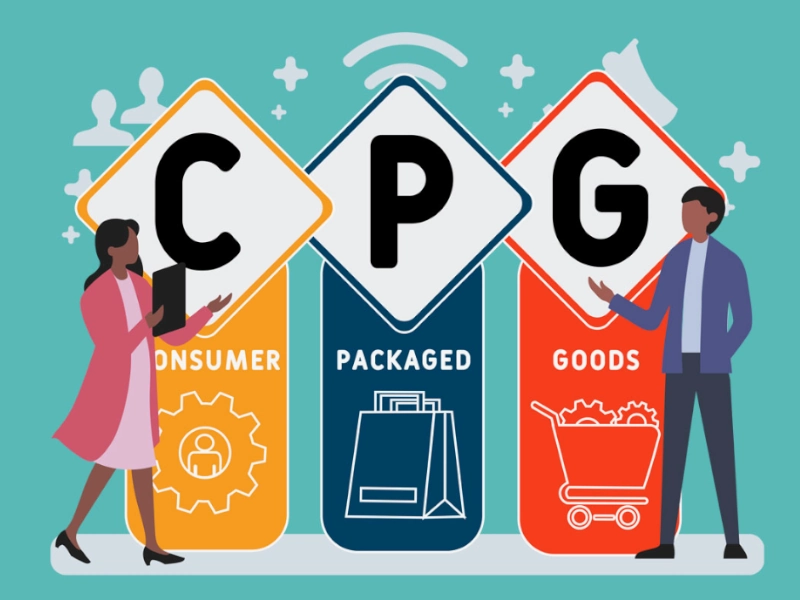
  • Consumer Packaged Goods CPG Industry

    Consumer Packaged Goods CPG Industry

    The consumer packaged goods CPG industry is experiencing steady global expansion.

    It operates based on basic necessities like food, drinks, personal care items, and household products.

    It is expected to experience a growth rate of 4.1% during the period between 2026 and 2035, when the market will increase from USD 2,491.83 billion to USD 3,577.46 billion.

    Consistent growth in the market demonstrates significant demand for its products.

    Factors such as growing population, urbanization, and lifestyle changes keep fueling the market’s expansion and stability.

    Market Expansion, Segmentation, and Regional Dynamics

    The market comprises a number of segments such as food, beverages, cosmetics, and household goods, all of which contribute greatly to the global market revenue.

    The food and beverages segment is considered the biggest one since it contributes most of the market revenue due to consumer demand.

    Other significant regions include North America, Asia-Pacific, and Europe, which influence the global market trends greatly.

    While North America enjoys strong market value, Asia-Pacific is experiencing rapid expansion due to high middle-class incomes.

    • Food and beverage lead global CPG sales 
    • Asia-Pacific shows the fastest consumer growth 
    • North America maintains the highest market valuation 

    Consumer Behavior and Demand Patterns

    Consumer behavior is a key driver of CPG market growth, with repeated purchases forming the backbone of demand.

    Products in this category are essential and frequently replenished, ensuring continuous market activity.

    Different generations also show varying preferences, with Millennials and Gen Z demonstrating the highest interest in packaged goods.

    Urban lifestyles, convenience needs, and product availability strongly influence buying decisions.

    Rising health awareness has also increased demand for organic, natural, and clean-label products globally.

    Sustainability and Eco-Friendly Transformation

    Sustainability has become a major focus for CPG companies as environmental awareness continues to grow among consumers.

    Brands are actively shifting toward eco-friendly packaging, reduced carbon emissions, and responsible sourcing practices.

    Around 40% of companies are now setting sustainability targets as part of their long-term strategies.

    This includes reducing plastic usage, improving recycling systems, and adopting renewable materials.

    These efforts not only support environmental goals but also enhance brand reputation and customer trust in competitive markets.

    Opportunities in Branding, Packaging, and Marketing

    Packaging and branding play a vital role in influencing consumer purchasing decisions in the CPG sector.

    Companies are increasingly using innovative designs, clear labeling, and sustainable materials to differentiate their products.

    Marketing strategies now focus on highlighting product benefits such as “organic,” “gluten-free,” or “plant-based” to attract health-conscious consumers.

    Digital branding and storytelling also help companies build stronger emotional connections with customers, improving both visibility and long-term customer loyalty in highly competitive markets.

    AI Integration in the CPG Industry

    Artificial Intelligence is transforming the CPG sector by improving efficiency, forecasting, and supply chain operations.

    Companies are using AI to analyze consumer data, predict demand, and reduce inventory losses.

    It also enhances logistics planning and supports better decision-making in production cycles.

    AI-driven tools help businesses understand market behavior and optimize pricing strategies.

    Partnerships like IBM and SAP’s collaboration in 2024 show how AI is being integrated into finance, supply chain, and sales systems across the industry.

    E-Commerce Growth and Digital Transformation

    The CPG industry is rapidly shifting toward e-commerce platforms as online shopping continues to expand globally.

    Consumers now prefer convenient digital purchasing options, which have reshaped traditional retail models.

    Direct-to-consumer strategies are also gaining popularity, allowing brands to build stronger customer relationships.

    Online marketing, digital ads, and social media engagement are becoming essential tools for CPG companies.

    This shift is improving accessibility, expanding market reach, and increasing overall sales performance across digital channels.

    Supply Chain Resilience and Global Connectivity

    CPG companies are strengthening supply chain resilience by diversifying suppliers and improving logistics systems.

    Global disruptions have encouraged businesses to adopt more flexible production and distribution networks.

    Digital tracking systems and real-time inventory management are helping companies respond quickly to demand changes.

    Localized manufacturing and safety stock strategies are also being used to reduce risks.

    As markets become more interconnected, companies are expanding internationally to secure stable growth and ensure continuous product availability.

    ROI Growth and Financial Efficiency

    Return on investment in the CPG industry is improving through technology adoption and operational optimization.

    Businesses are using automation, data analytics, and smart packaging solutions to reduce costs and increase efficiency.

    AI-based forecasting helps minimize inventory waste and improves supply chain accuracy.

    Omnichannel strategies and direct-to-consumer models are also increasing revenue streams.

    These combined efforts enhance profitability while maintaining customer satisfaction, making the industry more financially stable and competitive in the long run.

    North America and Asia-Pacific Market Performance

    North America remains a dominant region in the CPG industry, valued at approximately $2 trillion.

    However, Asia-Pacific is experiencing faster growth due to its expanding consumer base and rising income levels.

    Countries like India and Indonesia are expected to see major increases in their consuming class by 2030, making the region a key driver of future global demand.

    Food and Beverage Sector Leadership

    The food and beverage segment leads the CPG market, accounting for the largest share of global sales.

    This category continues to grow due to its essential nature and frequent consumption patterns.

    Online sales in this segment have increased significantly, supported by changing lifestyles and digital convenience.

    However, supply chain disruptions, raw material shortages, and rising transportation costs continue to challenge the industry.

    Companies are adapting by improving sourcing strategies and investing in more resilient production systems.

    Competitive Landscape and Industry Outlook

    The CPG market is highly competitive, dominated by global giants such as PepsiCo, Unilever, Nestlé, Mondelez, and Kraft Heinz.

    These companies invest heavily in innovation, advertising, and sustainability to maintain market leadership.

    At the same time, emerging direct-to-consumer brands are disrupting traditional retail systems through digital platforms.

    Strategic partnerships, acquisitions, and technological advancements are shaping the future of the industry.

    The outlook remains positive, with continued growth driven by innovation and evolving consumer expectations.

    Conclusion

    The global market for consumer packaged goods continues to grow through high demand, digitalization, and innovation driven by sustainability.

    The growth of emerging markets, artificial intelligence, and online shopping is driving changes within the sector.

    The consumer packaged goods CPG industry is crucial to the daily activities of people because they ensure consumption on a regular basis.

    As more businesses join the market, companies need to innovate to remain relevant and grow their businesses.

  • CPG Market Share Shifts

    CPG Market Share Shifts

    Consumer packaged goods are everyday products that are used on a regular basis.

    Such products need to be replaced often to ensure constant demand.

    As a result, the sector is very competitive and fast-growing globally.

    The CPG market share shifts are also influencing how brands redesign packaging to match changing consumer expectations.

    These modern design approaches improve shelf appeal and emotional value. 

    Market Growth Overview

    The consumer-packaged goods market is expected to grow steadily in the coming years.

    It is forecasted to expand from USD 2,491.83 billion in 2026 to USD 3,577.46 billion by 2035, with a CAGR of 4.1%.

    This growth reflects consistent demand for everyday products such as food, beverages, personal care, and household items.

    Report Highlights

    Global market expansion driven by demand 

    • North America is valued at $2 trillion 
    • Asia-Pacific is growing rapidly by 2030 
    • Food and beverage lead sales 
    • Offline retail remains dominant 

    Role of CPG in Daily Life

    Consumer packaged goods are integral parts of everyday life. These consist of food and beverages, cosmetic products, and household goods.

    The regular consumption pattern requires constant attention to quality, supply, and brand positioning.

    Consumer goods market growth continues steadily due to rising global demand for everyday products.

    The sector has demonstrated impressive performance by growing at an annual rate of 8%.

    Sales in the sector were expected to reach $1.62 trillion in 2017.

    Sustainability and Green Practices

    Sustainability has become one of the key concerns for CPG manufacturers.

    Currently, about 40% of companies have committed themselves to achieving environmental objectives.

    Products are increasingly focused on sustainability. Manufacturers aim at making their manufacturing and marketing activities greener.

    Consumer Preferences by Generation

    Different generations show different buying patterns.

    • Millennials and Gen Z: 79% preference 
    • Generation X: 78% preference 
    • Boomers: 70% preference 
    • Silent Generation: 57% preference 

    These insights help brands create targeted strategies and improve product positioning in the market.

    Packaging and Marketing Opportunities

    Package design is an essential part of both branding and marketing strategies.

    Packaging is usually the first thing to catch a consumer’s eye. Uniquely designed packaging makes the product stand out from other items.

    Moreover, clear labeling such as “gluten-free,” “plant-based,” etc., creates additional value for the product, allowing consumers to make informed decisions about their purchase.

    AI Integration in the CPG Industry

    Artificial intelligence is transforming the CPG industry. Companies are using AI to improve operations and decision-making.

    AI helps with:

    • Demand forecasting 
    • Inventory management 
    • Supply chain optimization 
    • Consumer behavior analysis 

    This technology improves efficiency and gives companies a competitive advantage.

    Global Market Expansion Drivers

    Several factors are driving market growth:

    • Daily consumption ensures steady demand 
    • Wide product range meets diverse needs 
    • Changing lifestyles influence buying behavior 
    • Technology improves production and distribution 
    • E-commerce increases product accessibility 

    These elements are helping companies expand into global markets.

    Market Trends

    CPG industry trends are evolving as brands focus more on sustainability and digital transformation.

    TrendDescription
    E-commerce GrowthMore consumers prefer online shopping
    Eco-friendly PracticesBrands adopt sustainable packaging
    Direct-to-ConsumerStronger brand-customer relationships
    Supply Chain ResilienceBetter risk management and stability

    ROI and Profitability Growth

    Investment returns for CPG have been increasing. Firms are making investments in smart packaging and cost optimization techniques.

    The use of data analytics and AI aids in improving margins and minimizing losses.

    The omnichannel approach contributes to improved customer retention and revenue generation.

    Supply Chain Resilience

    Firms are now reinforcing their supply chains in response to any disruption.

    These firms are now adopting diverse suppliers and more sophisticated inventory management systems.

    Technological advances are also useful in tracking the movement of goods within the supply chain.

    Regional Insights

    North America remains a dominant market with a valuation of $2 trillion.

    Major companies invest heavily in marketing to maintain their position.

    The Asia-Pacific region is growing rapidly due to rising income levels.

    Countries like India and Indonesia are expanding their consumer base significantly.

    Europe continues to show steady growth with strong retail infrastructure.

    Food and Beverage Dominance

    The food and beverage sector leads the CPG market. It accounts for around 44% of total sales.

    However, challenges such as raw material shortages and rising costs affect this sector. Companies must adapt to maintain supply and manage expenses.

    Data-Driven Marketing Strategies

    Data plays a key role in improving marketing performance. Companies use data to:

    • Identify target audiences 
    • Improve product development 
    • Monitor competitors 
    • Personalize campaigns 
    • This helps brands stay competitive and relevant.

    Value Chain Overview

    • Raw Materials

    Includes plastics, paperboard, glass, and metals. Sustainability is increasing the use of recycled materials.

    • Logistics

    Efficient transportation and storage systems support large-scale distribution.

    • Recycling

    Waste management systems help reuse materials and reduce environmental impact.

    Competitive Landscape

    The CPG industry is very competitive. Key competitors range from international brands to emerging organizations.

    The CPG competitive landscape is becoming more intense as new brands enter the market.

    Competitiveness is based on innovation, sustainability, and changing consumer tastes.

    Organizations also engage in collaborations to increase their market presence.

    Product Differentiation Strategy

    Companies are looking at ways through which their brands can achieve product differentiation, especially in congested markets where there is cutthroat competition.

    Packaging, improved quality, and proper branding are essential in attracting more clients.

    Businesses that keep up with the changing times by adapting to changing market trends will gain a stronger market position and continue growing.

    Consumer buying behavior trends are influencing how companies design and market their products.

    Conclusion

    The consumer packaged goods sector is continually growing via innovation, sustainability, and digitization.

    The CPG market share shifts reflect the impacts of competition and consumer behavior on the industry.

    Those organizations that leverage technology, branding, and packaging strategies will thrive in the future.

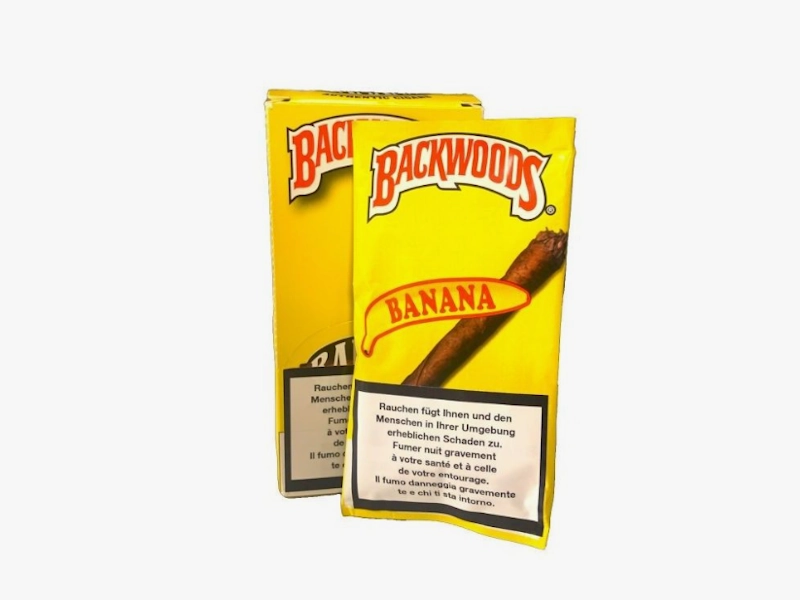
  • Guide To Backwoods Packaging Dimensions

    Guide To Backwoods Packaging Dimensions

    The Backwoods cigar is known to have a rustic look and also has a wrap made from natural leaves.

    Backwoods packaging dimensions are important and should not be overlooked.

    If you are looking to store, display, or package these cigars in customized containers, knowledge about their packaging size will prove useful.

    What Are Backwoods Packaging Dimensions?

    Backwoods cigars are normally packed in flexible foil packs, not rigid boxes.

    They are small and pliable and are meant to preserve the freshness of the cigars. The most common pack consists of 5 cigars.

    Some typical dimensions of backwoods packaging for a pack of 5 cigars are:

    • Height: 4.5 to 5 inches

    • Width: 3.5 to 4 inches

    • Depth: 0.8 to 1 inch

    Backwoods packaging dimensions can be slightly different based on flavors or batches.

    Nevertheless, they are still similar enough to establish some standards for packaging and storage purposes.

    Why Packaging Dimensions Matter

    Packaging dimensions are not just numbers. They play a key role in how a product is stored, shipped, and displayed.

    For Backwoods, the compact pouch size makes it easy to carry and stack.

    Here’s why these dimensions are important:

    • They help design custom boxes that fit perfectly 
    • They reduce wasted space during shipping 
    • They improve shelf arrangement in retail stores 
    • They protect the cigars from damage 

    When dimensions are accurate, everything from logistics to presentation becomes more efficient.

    Standard Backwoods 5-Pack Pouch Size

    The most prevalent form in the market is the 5-pack pouch. This is because it is compact, lightweight, and convenient to manage.

    This bag stretches slightly, although the base dimensions remain constant.

    This pouch is specifically designed to accommodate cigars without them moving about.

    This maintains the quality and integrity of the cigars within it. Additionally, it locks in the freshness of the cigars.

    As a result, many custom packaging designs rely on these dimensions.

    Most designers make reference to these dimensions when designing cigar display boxes or packaging boxes.

    Backwoods Carton and Box Dimensions

    While individual pouches are common, Backwoods products are often shipped in larger cartons.

    These cartons hold multiple packs and are used for wholesale or bulk storage.

    A typical carton may contain 8 to 10 pouches. The approximate dimensions are:

    • Height: 5 to 6 inches 
    • Width: 8 to 10 inches 
    • Depth: 4 to 6 inches 

    These cartons are made from corrugated cardboard for extra protection. They are strong enough to handle transport while keeping the contents safe.

    Materials Used in Backwoods Packaging

    The material of the packaging plays a big role in maintaining product quality. Backwoods uses foil-based pouches that are both flexible and protective.

    Common materials include:

    • Foil laminate for moisture control 
    • Plastic layers for durability 
    • Paper labels for branding 

    This combination helps keep the cigars fresh while also making the packaging lightweight.

    The materials also support easy printing, which is useful for branding and product information.

    Custom Packaging for Backwoods Products

    The majority of companies opt for making unique packages for their Backwoods cigars. Retailers and wholesalers often prefer this option.

    Custom boxes can allow you to make slight changes in their dimensions to accommodate your requirements.

    For instance, you may make display boxes that will accommodate multiple pouches.

    Advantages of custom boxes include:

    • Better brand awareness

    • Easier product organization

    • Higher customer satisfaction

    • Safe product transportation

    With proper dimensions, custom boxes can be made without any wastage.

    Storage and Shipping Considerations

    Proper storage and transportation are greatly influenced by package size.

    The Backwoods packaging is small in size, and hence very easy to manage in large quantities.

    While storing or transporting, ensure that you consider the following:

    • Do not crush; ensure even distribution in the pile

    • Place in cartons the same size as the pouches 

    • Store in a dry, cool area 

    • Seal properly to preserve freshness 

    A correctly sized box minimizes movements while handling and prevents product damage in transit.

    Retail Display and Shelf Placement

    In retail environments, packaging dimensions affect how products are displayed.

    Backwoods pouches are small enough to fit in compact spaces, making them ideal for counters and shelves.

    Retailers often use display boxes that match the pouch size. This keeps the products organized and easy to access.

    • A well-arranged display can:
    • Attract customer attention 
    • Improve product visibility 
    • Make restocking easier 
    • Increase sales potential 

    The right dimensions help create a clean and professional look on shelves.

    Differences Between Pouch and Box Packaging

    The primary package for Backwoods consists of pouches, while boxes are often used as a secondary package. Both packaging types have their purposes.

    The main differences between these packages are as follows:

    • Pouches are light and flexible;

    • Boxes are rigid and provide protection during shipment;

    • Pouches emphasize freshness;

    • Boxes emphasize transportability and shelf presence.

    Knowledge of these differences will help you in choosing the appropriate packaging option.

    Conclusion

    Backwoods packaging dimensions are rather simple, but it plays a vital role in the packaging process.

    For example, a common packaging – a 5-pack backwoods pouch- is usually 5 inches high, 4 inches wide, and 1 inch deep.

    Every type of packaging, from flexible bags to rigid cartons, was created with a specific purpose.

    Accurate packaging dimensions allow companies to produce quality packaging, reducing waste production.