Blog

  • Advanced Packaging Attach Rate Semiconductor Industry 2025

    Advanced Packaging Attach Rate Semiconductor Industry 2025

    There is a high growth and innovation in the advanced semiconductor packaging market.

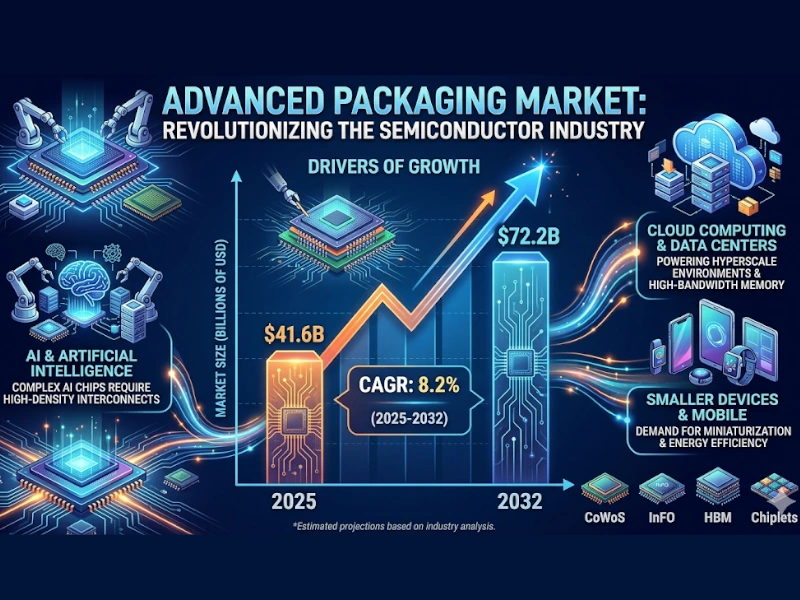
    The market will grow to USD 41.61 billion in 2025 and to USD 72.24 billion in 2032 with a compound annual growth rate of 8.2.

    This is fueled by the increasing need for cloud computing, artificial intelligence (AI) and miniaturized electronic devices in different industries.

    Key Market Drivers

    The market has a high concentration of major players. These companies are investing in innovative packaging technologies to meet growing demands.

    Demand for Smaller

    There is a high concentration of large players in the market. These firms are investing in new packaging technologies to satisfy the increasing needs. 

    • The global consumer is insisting on thinner, more powerful electronic products like smartphones and wearable technology. In order to fulfill this need: 
    • Advanced semiconductor packaging combines additional chips and passive devices into a smaller area. 
    • Fan-out and flip-chip packaging technologies permit ultra-thin form factors. 
    • It becomes possible to make smaller and more efficient devices without taking away performance. 

    These inventions also make electronics viable and small enough to meet contemporary consumer demands for technology.

    Growth of IoT and 5G Networks

    The IoT and 5G networks are advancing rapidly.

    • The compact system-in-package solutions are needed in connected devices in homes and industries. 
    • Packaging solutions are expected to ensure that sensitive parts are not affected by moisture or vibration. 
    • Robotic applications such as autonomous vehicles and industrial robotics produce heat, which poses the need to implement the latest cooling and thermal management methods. 
    • High 5G network bandwidth facilitates huge data creation, which creates pressure to adopt multi- die integration technologies. These necessitate advanced semiconductor packaging to be viable in high-performance and reliable machines.

    These factors make advanced semiconductor packaging essential for efficient and reliable devices.

    Market Challenges

    Advanced packaging enhances performance and miniaturization, but the prices are prohibitive. 

    • The process of updating the production lines and equipment is a capital-intensive exercise. 
    • Training of the workforce and obtaining specialized materials are also cost-additive. 
    • New technologies and rising costs may have less initial yield. 

    These smaller producers or companies in markets with price sensitivity may wait until the benefits outweigh the costs.

    Market Opportunities

    There is increased electronics in vehicles because 

    • Advanced driver-assistance systems 

    • Connectivity and infotainment features. 

    Electric and autonomous car technologies. 

    Advanced semiconductor packaging made possible 

    • High functional integration 

    • Lower power consumption 

    • Reliable multi-chip interconnections 

    This expansion will present new business prospects to semiconductor firms in terms of partnering with automakers and suppliers. 

    Strategies by Leading Companies

    All the companies prefer using some tactics. 

    3D or 2.5D IC Packaging

    Leading companies focus on 3D and 2.5D packaging for computing, mobile, and connectivity applications. Example: Intel’s Embedded Multi-die Interconnect Bridge. 

    • Companies partner with top foundries to access advanced process nodes and co-develop new packaging technologies. For example, Amkor collaborates with Samsung and GlobalFoundries. 
    • Firms target AI and autonomous vehicles. They offer custom packaging solutions for early market advantage. 

    Segmental Analysis

    Segmental analysis breaks a market into smaller parts to better understand trends and growth opportunities in each segment.

    Flip Chip Packaging

    Expected to hold 39.8% market share in 2025.  

    • High input or output connection density 
    • Short interconnects for better signal performance 
    • Copper pillar bumping for enhanced electrical and thermal properties 

    Fan Out Wafer Level Packaging 

    Enables ultra thin devices and improved thermal performance. 

    • Supports stacking of logic and memory chips for high-performance computing. 
    • Integrates multiple components in a single package for compact designs. 

    Advanced packaging ensures processors can handle emerging AI and autonomous vehicle applications efficiently.

    By End-User Industry

    • Devices like smartphones and wearables need aggressive miniaturization. 
    • Increasing electronics content in vehicles drives demand for advanced packaging. 
    • Supports features like ADAS, infotainment, and electric vehicle powertrains. 
    • The 42” x 42” pallet size is widely used in telecom, paint, and coating industries. 

    Healthcare and defense increasingly adopt miniaturized electronics requiring specialized packaging solutions. 

    Competitive Landscape

    Key companies operating in the advanced semiconductor packaging market include Advanced 

    • Micro Devices, Inc.
    • Intel Corporation 
    • Hitachi, Ltd. 
    • ASE Technology Holding Co., Ltd. 
    • Amkor Technology 
    • STMicroelectronics 
    • Infineon Technologies 
    • Samsung Electronics Co., Ltd. 

    These companies focus on innovation and emerging applications to strengthen their market position.

    Recent Developments

    Samsung Electronics (July 2024)

    Established a team for high bandwidth memory research that is critical for AI devices. 

    Resonac Corporation (July 2024)

    Launched “US-JOINT” initiative with five U.S.-based companies for advanced packaging R&D, focusing on 2.5D and 3D technologies for AI and autonomous driving. 

    Market Summary

    The high-technology semiconductor packaging market is booming because of

    • Miniaturization of consumer electronics. 
    • The emergence of AI, IoT, and 5G applications.

    Such major packaging technologies as flip chip, fan-out wafer-level packaging, and 3D ICs are radically innovating.

    Asia-Pacific is the leader, and the main players keep investing in research, partnerships, and new applications. 

    The high-performance, compact, and efficient electronics in industries require advanced semiconductor packaging. Due to the increased need to have smarter,

    connected, and miniaturized devices, the market will keep its positive upward trend.
  • Meme for Stealing an Idea and Repackaging it Explained

    Meme for Stealing an Idea and Repackaging it Explained

    The internet loves a good joke, and one of the funniest trends is the meme for stealing an idea and repackaging it.

    In the case of the joke, it depicts people who try to revamp an old idea by making it look all new on the outside and then try to sell it to people.

    Memes have their own form of entertainment, but in this context, the notion seems to be highly applicable to packaging as well.

    Product packaging always includes design modifications, visuals or even new things that can transform the whole experience of using familiar products.

    Why the Internet Loves Repackaging Memes?

    The memes on stealing other people’s ideas and rebranding them are funny since they capture the reality people see every day.

    An idea becomes popular, people copy the idea, add some color changes or change the text.

    These memes usually highlight:

    • Old idea, new presentation 
    • Familiar concept, fresh appearance 
    • Small changes with big reactions 
    • Creativity mixed with imitation 

    Packaging follows a similar path where appearance often changes customer perception.

    Repackaging: More Than Just Changing the Outside

    Repackaging is not always about copying. In business and packaging, repackaging means presenting something in a better, more attractive, or more relevant way.

    A product may stay exactly the same while the packaging tells a new story.

    Examples include:

    • Seasonal printed packaging 
    • Limited edition designs 
    • New color themes 
    • Custom illustrations 
    • Modern typography updates 

    This idea makes the meme concept feel connected to real packaging strategies rather than simple internet humor.

    How Memes Connect Naturally with Packaging Design

    Memes work because they communicate quickly. Packaging has the same goal. Customers often decide within seconds whether they want to notice a product or move on.

    A package with meme elements can create:

    • Fast emotional connection 
    • Higher visual interest 
    • Better brand recall 
    • More social sharing 

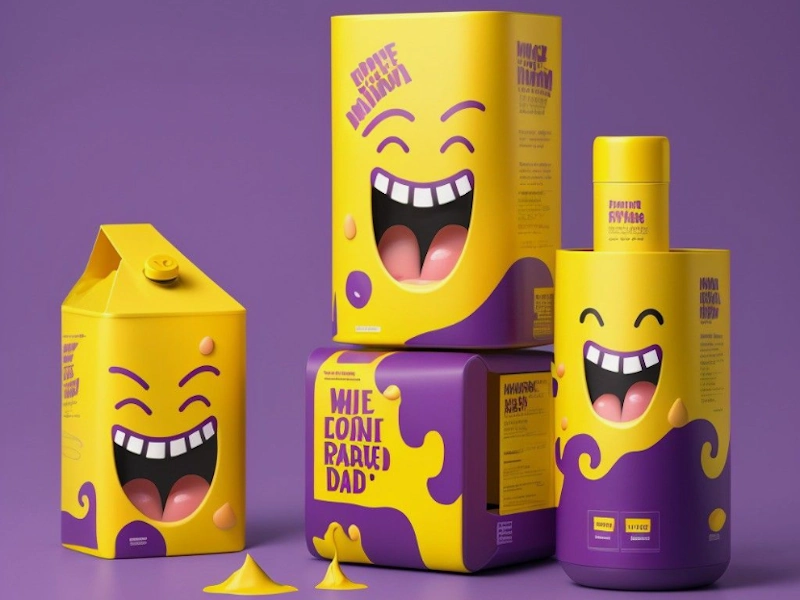
    Instead of traditional graphics, brands sometimes use humorous captions, familiar internet expressions, and playful illustrations to make packaging feel more relatable and entertaining.

    Printing Memes on Packaging Is Becoming a Creative Trend

    Memes are no longer limited to social media posts. Many brands now use meme-style content directly on packaging to make products more shareable.

    A funny box often becomes part of the product experience itself.

    Creative examples include:

    • Funny shipping messages 
    • Meme-style product labels 
    • Humorous side-panel text 
    • Joke-based limited editions 
    • Viral-inspired illustrations 

    When done correctly, meme packaging turns ordinary boxes into conversation starters.

    The Difference Between Copying and Smart Repackaging

    The meme for stealing ideas becomes funny because people know the difference between inspiration and copying.

    Packaging works in a similar way. Brands rarely invent every concept from zero. Instead, they improve existing ideas.

    Smart repackaging focuses on:

    • Better customer experience 
    • Stronger visual identity 
    • Unique presentation 
    • Improved functionality 

    Copying repeats the idea. Repackaging transforms the experience around the idea and gives customers something worth noticing.

    Why Customers Notice Presentation Before Product

    Many buying decisions begin with appearance. Customers often see packaging before they understand the actual product. That is why repackaging can completely change perception.

    Packaging influences:

    • First impressions 
    • Brand personality 
    • Customer expectations 
    • Emotional response 

    This explains why memes about changing the outside while keeping the inside identical feel so relatable.

    People recognize how presentation affects attention and decision-making.

    Turning Meme Culture into Brand Personality

    Brands today compete for attention in crowded markets. Meme-inspired packaging gives them a playful way to stand out without changing the product itself.

    Popular approaches include:

    • Internet humor references 
    • Self-aware packaging jokes 
    • Interactive printed messages 
    • Relatable customer situations 
    • Trend-based visual storytelling 

    These details make packaging feel more human and easier to remember long after the product is opened.

    The Role of Humor in Modern Packaging

    Humor creates memorable experiences. A customer may forget a standard package but remember one that made them laugh.

    Memes bring this advantage naturally because they are designed to create instant reactions.

    Benefits of humorous packaging:

    • Encourages social sharing 
    • Improves customer engagement 
    • Creates repeat purchases 
    • Builds emotional connection 

    Even simple meme-inspired text can transform packaging from functional to entertaining.

    Designing Meme-Based Packaging Without Losing Brand Value

    Not every meme belongs on packaging. Brands need balance. Packaging should remain professional while still feeling fun and relevant.

    Good meme packaging follows these rules:

    • Keep humor easy to understand 
    • Match brand personality 
    • Avoid short-lived trends 
    • Maintain visual quality 
    • Focus on customer experience 

    The goal is not to turn packaging into a joke but to make it memorable through personality.

    Conclusion

    The popularity of memes proves that people enjoy seeing familiar ideas presented in unexpected ways.

    The concept behind a meme for stealing an idea and repackaging it mirrors how packaging works in real life, changing perception through presentation.

    Whether through updated visuals, creative redesigns, or even printed memes on boxes, repackaging can make something feel fresh again.

    When humor, branding, and smart design work together, the meme for stealing an idea and repackaging it becomes more than a joke, it becomes a creative packaging opportunity.

  • Beverage Packaging Mix Trends 2025

    Beverage Packaging Mix Trends 2025

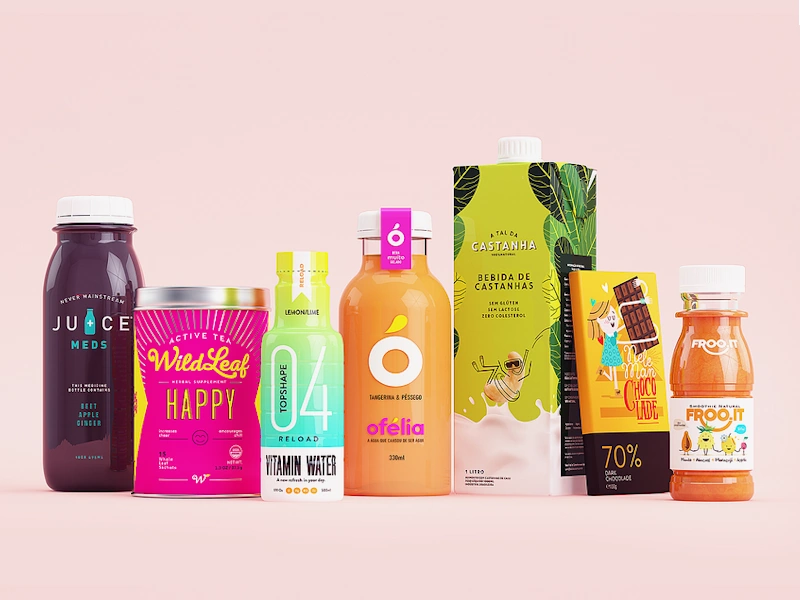
    Changes have come fast within the beverage industry, whereby brands adopt sustainability, convenience, and improved customer experiences in their operations.

    The beverage packaging mix trends 2025 have made it possible for brands to adapt different forms of packaging materials and design to match the demands of today’s consumer.

    Consumer preference towards sustainable packaging, portable, and aesthetically pleasing packaging are improving brand product appeal and minimization of negative impacts on the environment.

    Growing Importance of Beverage Packaging Mix Trends 2025

    The beverage packaging mix trends 2025 define the future of the beverages industry.

    Brands consider aspects such as cost, sustainability, shelf-life, and customer convenience when adopting packaging.

    Plastic bottles, aluminum cans, glass bottles, and paper cartons will continue dominating the beverage industry’s packaging materials.

    Amidst consumers’ changing preferences, brands try to balance between protecting their products and minimizing negative environmental impacts.

    Lightweight packaging materials are being adopted by brands to reduce cost and minimize carbon footprints.

    Beverage Packaging Market Overview

    Different beverage categories require different packaging types. Soft drinks, juices, dairy beverages, bottled water, and alcoholic drinks all use specific packaging materials.

    Common Beverage Packaging Types

    Packaging TypeMain Benefits
    Plastic BottlesLightweight and affordable
    Aluminum CansRecyclable and durable
    Glass BottlesPremium appearance
    Paper CartonsEco-friendly and lightweight
    Flexible PouchesEasy storage and portability


    These packaging options help brands meet both customer and industry demands.

    Sustainability Driving Packaging Changes

    Sustainability is one of the biggest drivers in the beverage industry. Consumers want packaging that creates less waste and supports recycling efforts.

    Many companies are replacing single-use plastics with recyclable and biodegradable materials.

    Recycled PET bottles and aluminum cans are becoming more common because they reduce environmental impact.

    Brands are also introducing refillable packaging systems to support circular economy goals and improve long-term sustainability.

    Rise of Lightweight Packaging Solutions

    Lightweight packaging is becoming very popular in the beverage sector. Companies are reducing material usage while maintaining product safety and quality.

    • Lower transportation costs 
    • Reduced carbon emissions 
    • Easier handling and storage 
    • Lower production expenses 
    • Improved supply chain efficiency 

    These benefits are encouraging beverage companies to redesign packaging materials and bottle shapes.

    Aluminum Cans Gaining Popularity

    Aluminum cans are seeing strong demand worldwide. They are lightweight, durable, and highly recyclable.

    Consumers also prefer cans because they cool quickly and protect beverages from light and oxygen.

    Energy drinks, soft drinks, sparkling water, and alcoholic beverages are increasingly sold in cans.

    Beverage brands are also using attractive can designs to improve shelf visibility and customer appeal.

    The growing recycling infrastructure is further supporting the use of aluminum packaging.

    Growth of Paper-Based Packaging

    Paper cartons and fiber-based packaging are becoming important alternatives to plastic packaging.

    Consumers see paper packaging as more environmentally friendly.

    Paper cartons are widely used for juices, dairy drinks, and plant-based beverages.

    Companies are improving carton durability and moisture resistance through advanced coating technologies.

    Many beverage brands now highlight recyclable and responsibly sourced paper packaging to attract eco-conscious buyers.

    Smart Packaging Technologies Expanding

    Technology is transforming beverage packaging rapidly. Smart packaging helps brands improve customer engagement and supply chain management.

    Popular Smart Packaging Features

    • QR codes for product details 
    • NFC-enabled packaging 
    • Temperature-sensitive labels 
    • Anti-counterfeit technologies 
    • Interactive customer experiences 

    These features allow consumers to access product information, promotions, and brand stories directly from their smartphones.

    Plastic Bottles Still Hold Strong Position

    Despite sustainability concerns, plastic bottles remain widely used because they are lightweight, affordable, and convenient.

    PET bottles continue dominating bottled water and soft drink packaging.

    Manufacturers are focusing on recycled plastics and thinner bottle designs to reduce environmental impact.

    Many companies now use rPET materials made from recycled bottles.

    Improved recycling systems are also helping the beverage industry manage plastic waste more effectively.

    Premium Packaging Trends Growing

    Consumers are increasingly attracted to premium beverage packaging.

    Glass bottles, embossed cans, and customized labels help brands stand out in competitive markets.

    Premium packaging creates a luxury appearance and improves customer perception.

    Alcoholic beverages, premium juices, and specialty drinks often use glass bottles for better presentation.

    Creative packaging designs also help companies attract younger consumers and support brand loyalty.

    Flexible Packaging Becoming More Common

    Flexible beverage packaging is gaining popularity because it is lightweight and easy to transport.

    Pouches and sachets are especially common in sports drinks, juices, and powdered beverage products.

    • Reduced material usage 
    • Lower shipping costs 
    • Better storage efficiency 
    • Easy portability 
    • Attractive designs 

    Flexible packaging also supports e-commerce growth because it reduces breakage during shipping.

    Beverage Industry Focus on Recycling

    Recycling remains a major focus across the beverage packaging industry.

    Governments and environmental groups are encouraging companies to improve recycling rates and reduce landfill waste.

    Deposit return systems for bottles and cans are becoming more common in many countries.

    Beverage companies are also investing in recyclable labels, caps, and adhesives to support better recycling processes.

    Many global brands now include recycled content in their packaging materials to meet sustainability targets.

    Consumer Preferences Shaping Packaging Choices

    Modern consumers prefer packaging that is convenient, sustainable, and visually appealing.

    Younger buyers especially support brands that use environmentally friendly packaging solutions.

    • Easy-to-carry packaging 
    • Recyclable materials 
    • Resealable closures 
    • Attractive designs 
    • Transparent product information 

    These changing preferences are encouraging companies to develop innovative packaging solutions for different beverage categories.

    Regional Packaging Trends

    Different regions show different beverage packaging preferences. North America and Europe are focusing strongly on sustainability and recycling initiatives.

    Asia Pacific continues seeing strong growth in bottled beverages because of rising urbanization and changing lifestyles.

    Flexible packaging and lightweight bottles are becoming more common in emerging markets.

    Latin America and the Middle East are also increasing investments in modern beverage packaging technologies to support growing consumer demand.

    Challenges Facing Beverage Packaging Industry

    The beverage packaging industry also faces several challenges. Rising raw material prices and strict environmental regulations can increase production costs.

    Plastic waste concerns continue creating pressure on beverage companies to improve sustainability.

    Supply chain disruptions and recycling limitations may also affect packaging production.

    Companies must balance affordability, performance, and environmental goals while maintaining product safety and shelf life.

    Future Outlook for Beverage Packaging

    The future outlook for beverage packaging is very innovative and sustainable.

    More investments will be made in packaging solutions that are recyclable, smart, and lightweight.

    High-tech solutions like biodegradable plastics, recycling systems, and digital printing are some features of the next generation of beverages.

    Those brands that concentrate on sustainability and customer convenience will succeed in the global market.

    Increasing the use of sustainable and premium packaging design trends is expected in the next few years.

    Conclusion

    The beverage packaging mix trends 2025 point out the increasing trend towards sustainability and innovation in the beverage industry.

    Companies are using a mix of bottles, cans, glass containers, paper cartons, and flexible packaging to respond to consumers’ demands.

  • Premium Spirits Wine Aluminum Packaging Trends 2025 Market

    Premium Spirits Wine Aluminum Packaging Trends 2025 Market

    The market size and growth of premium spirits wine aluminum packaging trends 2025 market will experience unprecedented growth over the coming years because of the increasing demand for luxury products, sustainable packaging, and innovative designs.

    In terms of market projections, the global market for wine packaging is expected to increase from USD 7.32 billion in 2026 to USD 12.57 billion in 2035 at a CAGR of 6.19%.

    This growth is attributed to several factors, including changing consumer preferences, premiumization, and the adoption of more sustainable packaging solutions.

    Premium Spirits Wine Aluminum Packaging Trends 2025 

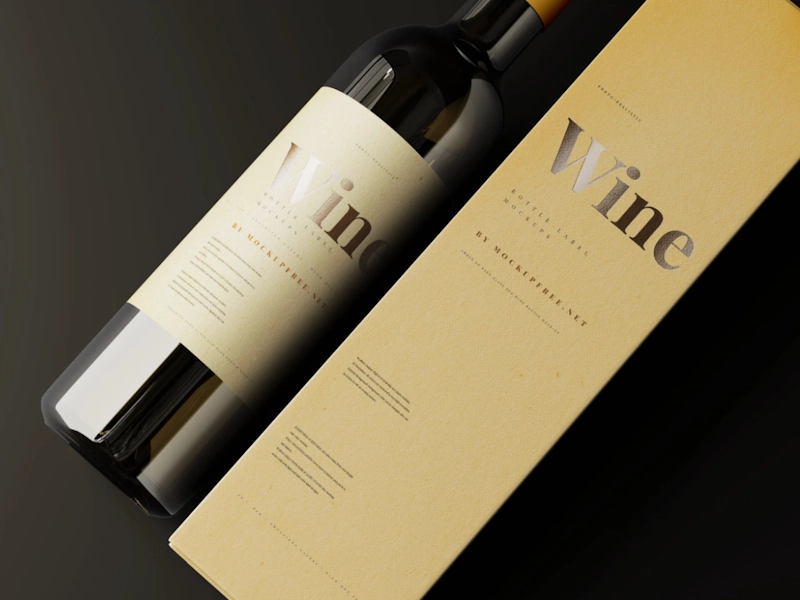
    Premium Spirits Wine Aluminum Packaging Trends 2025 have been transforming how wines are packaged, marketed, and sold.

    Premium wine packaging is now being designed to include aluminum containers to enhance the packaging process, increase product shelf life, and improve recycling efforts.

    On the other hand, premium wines are incorporating unique aesthetic features into their bottles, which is appealing to millennials and baby boomers.

    Market Expansion and Consumption Trends

    Wine packaging is a growing industry as there has been an increase in the consumption of wine across the globe and there has also been demand for quality and handcrafted wines.

    People have shown preference towards wines that come in easy-to-consume packaging like cans and bags-in-boxes.

    Increased sales through online platforms have led to innovative packaging designs as well, due to the need for safe transportation.

    Wine packaging trends in developing countries have increased due to urbanization and economic growth.

    Sustainability and Eco-Friendly Packaging Shift

    Sustainability has become a central focus in the wine packaging industry as environmental concerns continue to rise.

    Brands are shifting toward recyclable materials, lightweight glass, and biodegradable alternatives.

    Consumers increasingly prefer brands that demonstrate environmental responsibility.

    Companies are also reducing carbon emissions by optimizing packaging weight and transport efficiency.

    Sustainable packaging is no longer optional but a key competitive factor in global wine markets, especially in Europe and North America, where regulations are stricter.

    Key Sustainability Trends in Wine Packaging

    Sustainable packaging solutions are shaping industry innovation and consumer expectations.

    Manufacturers are adopting eco-friendly strategies to reduce environmental impact and improve brand value.

    These trends are becoming standard across premium wine segments:

    • Lightweight glass bottles reduce transportation emissions 
    • Recycled materials are widely integrated into production 
    • Bag-in-box and canned wine formats reduce waste 
    • Water-based inks and biodegradable labels are increasing 

    These developments highlight the industry’s commitment to long-term environmental responsibility and sustainable growth.

    AI Integration and Smart Packaging Innovation

    Artificial Intelligence is transforming wine packaging by improving efficiency, personalization, and supply chain management.

    AI helps manufacturers optimize material usage, reduce production costs, and enhance design customization.

    It also supports predictive analytics for demand forecasting and inventory control. Machine learning is being used to develop sustainable packaging materials more efficiently.

    Additionally, smart packaging technologies are emerging, allowing brands to connect with consumers through interactive labels and digital storytelling features.

    E-Commerce Growth and Digital Transformation

    The rise of e-commerce has significantly influenced wine packaging requirements, driving demand for durable and secure packaging formats.

    Online wine sales require protective packaging that ensures product safety during shipping.

    Digital platforms also allow wineries to reach global consumers directly, expanding market access. Social media marketing and digital branding are strengthening customer engagement.

    As a result, packaging is now designed not only for physical appeal but also for logistics efficiency and online visibility.

    Market Drivers Supporting Industry Growth

    Several key drivers are fueling the expansion of the wine packaging market globally.

    Rising demand for convenience, premium experiences, and sustainability are the most influential factors. Increasing urbanization and changing lifestyles are also contributing to higher wine consumption.

    Technological advancements in packaging materials and closures are improving product safety and shelf life.

    Additionally, regulatory changes and environmental policies are pushing companies toward eco-friendly innovation and reducing reliance on traditional packaging materials.

    Market Restraints and Environmental Challenges

    Despite strong growth, the industry faces environmental and cost-related challenges.

    Glass bottle production contributes significantly to carbon emissions due to energy-intensive manufacturing processes.

    Transportation of heavy bottles also increases environmental impact and logistics costs.

    Waste generation from packaging materials like corks, labels, and capsules adds further burden. Rising raw material prices and supply chain disruptions are also affecting profitability.

    These challenges are pushing manufacturers to explore alternative packaging solutions and sustainable innovations.

    Opportunities Through Advanced Packaging Technologies

    Technological advancements are creating new opportunities in wine packaging, particularly through augmented reality and interactive labeling.

    Brands are using digital storytelling to enhance customer engagement and brand experience. Smart labels allow consumers to access product stories, vineyard information, and tasting notes.

    This innovation improves marketing effectiveness and consumer interaction. Premium wine brands are also using creative packaging designs to strengthen shelf appeal.

    These innovations are redefining customer experience in the global wine market.

    Regional Market Insights

    The wine packaging market shows strong regional variation in growth and demand. Europe holds the largest market share due to its strong wine production culture and established industry infrastructure.

    North America is driven by premium packaging trends and sustainability initiatives.

    Asia-Pacific is the fastest-growing region due to rising disposable income, urbanization, and increasing wine consumption.

    Latin America and the Middle East are also emerging markets, supported by growing awareness and expanding retail channels.

    Asia-Pacific Growth Dynamics

    Asia-Pacific is expected to witness the highest CAGR due to rapid urbanization and changing lifestyles.

    Increasing middle-class income and growing interest in premium wines are driving demand. Countries like India and China are experiencing strong growth in wine consumption.

    Younger populations are more open to alternative packaging formats such as cans and single-serve bottles.

    Expanding retail networks and e-commerce platforms are also supporting regional market expansion, making Asia-Pacific a key future growth hub.

    Competitive Landscape and Industry Players

    Wine packaging is an intensely competitive business where innovation, sustainability, and expansion into the global market are key factors.

    Some of the biggest names in this industry include Amcor Limited, Ardagh Group, Crown Holdings, Verallia, and O-I Glass.

    A significant amount of effort goes into research and development to come up with new packaging that is lightweight, eco-friendly, and of superior quality.

    There are also many competing small players in this market who offer innovative green products.

    Conclusion

    The global market of wine packaging is experiencing a dramatic transformation through innovation, sustainability, and changing customer preferences.

    Premium Spirits Wine Aluminum Packaging Trends 2025 illustrate the significance of using lightweight material, sustainable practices, and intelligent packaging in the industry.

    Premium Spirits Wine Aluminum Packaging Trends 2026 further highlight continued growth in eco-friendly aluminum solutions and premium product positioning.

    In connection with the increasing demand for premium drinks and the integration of technology, the market of wine packaging is going to remain dynamic.

    Those companies that adopt sustainability and innovative packaging practices will be well-positioned in the future.