Rigid Plastic Packaging Market Shows Strong Growth, Innovation, and Long-Term Expansion Outlook
The global rigid plastic packaging market is on a strong growth path.
The market size of the packaging material is projected to increase from USD 374.19 billion in 2026 to USD 653.99 billion in 2035, indicating a CAGR of 6.4% over the forecast period.
The growth can be attributed to increasing demand in the food, beverages, healthcare, and personal care markets.
Growth in urbanization and e-commerce also drives packaging needs worldwide.
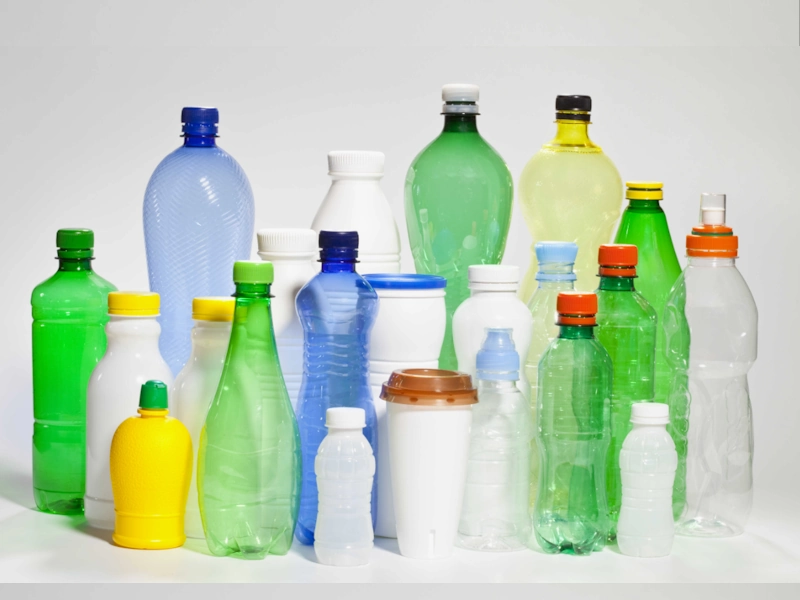
Bottles, jars, trays, tubs, and containers come under rigid packaging.
Such materials are sturdy and maintain their shape even when exposed to pressure.
These keep packaging safe from harm, moisture, and contamination.
In addition, clear plastics, such as PET, allow the contents to be visible.
Branding and customer confidence can also be promoted through visibility. The lightweight nature also cuts down on shipping costs.
The market will witness growth in all key regions. APAC leads the market in terms of value. NA holds promising growth prospects for the near future.
Market Size and Forecast
The rigid plastic packaging market shows steady expansion.
- Market size in 2025: USD 351.68 billion
- Market size in 2026: USD 374.19 billion
- Projected market size in 2035: USD 653.99 billion
- CAGR (2026–2035): 6.4%.
- Market volume is also increasing.
- Volume in 2025: 125.0 million tons
- Volume in 2035: 210.0 million tons
- Volume CAGR: 5.3%
- Average prices are also rising slightly.
- Average price in 2025: USD 2,816 per ton
- Average price in 2035: USD 3,114 per ton
- Price CAGR: 1.0%
Key Market Insights
- Asia Pacific held the largest market share in 2025.
- North America is expected to grow significantly.
- Bottles and jars led product demand.
- Injection molding dominated production methods.
- PET remained the leading material.
- The food industry was the largest end-user segment.
Market Drivers
Growth Of E-Commerce And Retail Expansion
Online shopping is a major growth driver. It increases demand for strong and safe packaging.
Rigid plastic packaging protects products during long shipping routes. It prevents leakage, breakage, and contamination.
Fast urban lifestyles also increase demand for portable packaging. Consumers prefer easy-to-use and resealable containers.
Industries like food delivery, cosmetics, and healthcare rely heavily on rigid packaging.
Companies such as Amazon are expanding logistics networks, increasing packaging demand further.
Demand For Durability And Safety
Rigid plastic packaging is strong and impact-resistant. It keeps products safe during handling and transport.
It is widely used in beverages, pharmaceuticals, and household goods. It also supports tamper-proof and sealed packaging designs.
This improves product safety and shelf life.
Rise In Ready-To-Eat Food Consumption
Ready-to-eat meals are becoming more popular globally. This increases demand for sealed and hygienic packaging.
Rigid plastic containers maintain food freshness. They also prevent contamination during delivery.
Market Restraints
Competition from Flexible and Eco-Friendly Materials
Flexible packaging is lighter and cheaper. It uses less material and reduces shipping costs.
This makes it attractive for many companies.
Biodegradable and paper-based packaging is also growing. Many brands are shifting toward eco-friendly alternatives.
This is limiting the growth of rigid plastic packaging in some segments.
Market Opportunities
Sustainability And Recycling Innovation
There is strong demand for recyclable plastics. Companies are investing in rPET and bio-based materials.
Closed-loop recycling systems are also expanding.
These systems reduce waste and support sustainability goals.
Asia Pacific and Latin America offer strong growth opportunities due to rising consumption and urbanization.
Technology and Innovation Trends
Smart And Functional Packaging
Packaging is becoming more intelligent. QR codes and RFID tags are widely used.
They improve traceability and customer engagement.
Some advanced systems can even monitor product freshness.
AI-Driven Manufacturing Improvements
AI is transforming production lines.
- It helps design lighter and stronger packaging. It also reduces material waste.
- AI systems monitor machines in real time. They detect defects and improve efficiency.
- They also predict maintenance needs, reducing downtime.
- AI improves supply chain planning and reduces logistics costs.
Segment Analysis
By Product Type
Bottles and jars dominated the market in 2025. They are widely used across industries.
They are lightweight, durable, and cost-effective.
They are used in food, beverages, cosmetics, and pharmaceuticals.
By Production Process
Injection molding held a strong position in 2025.
It supports high-speed mass production.
It also allows complex and customized packaging designs.
By Material
PET led the market in 2025.
It is strong, lightweight, and recyclable.
It provides good barrier protection for food and beverages.
It also improves product visibility and branding.
By End-User
The food industry dominated the market.
Rigid packaging keeps food safe and fresh.
It also supports fast delivery and online food ordering growth.
Pharmaceuticals are also growing fast due to strict safety requirements.
Regional Insights
Asia Pacific
Asia Pacific held the largest share in 2025.
- Strong population growth supports high demand.
- E-commerce and food delivery services are expanding rapidly.
- Countries like China and India are major production hubs.
North America
North America is expected to grow strongly.
- The region is adopting advanced packaging technology.
- Sustainability and recycling trends are increasing.
- Smart packaging solutions are also expanding.
Europe
Europe is focused on sustainability regulations.
- Strict recycling laws support eco-friendly packaging.
- Companies are shifting toward reusable and recyclable materials.
Latin America
Growth is driven by Brazil and Mexico.
- Urbanization and retail expansion are increasing demand.
- E-commerce is also supporting packaging adoption.
Middle East & Africa
Growth is supported by a rising population and retail expansion.
- Food and pharmaceutical sectors are driving demand.
- Countries like Saudi Arabia and South Africa are leading the adoption.
Competitive Landscape
The market is highly competitive and innovation-driven.
Key players include Amcor, Berry Global, Silgan Holdings, Sealed Air, and Huhtamaki.
These companies focus on recycling, lightweight materials, and smart packaging solutions.
They also invest in automation and advanced production systems.
Conclusion
The rigid plastic packaging market is entering a strong growth phase. Demand is rising across food, healthcare, and retail sectors.
Innovation in AI, recycling, and smart packaging is shaping the future.
E-commerce and urban lifestyles continue to support market expansion.
Overall, the rigid plastic packaging market is expected to grow steadily and remain a key part of global packaging systems through 2035.
Leave a Reply