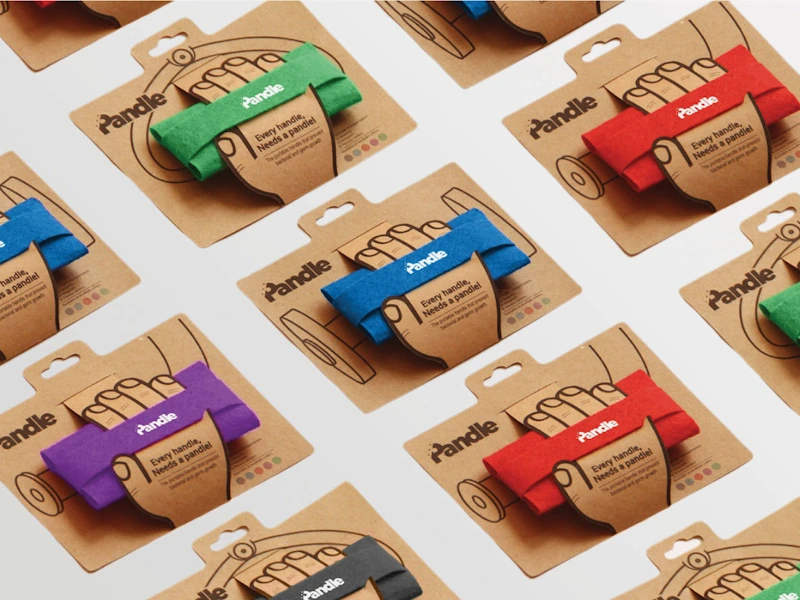
This refers to the activity of altering the packaging of a product after its production, storage, or distribution.
Repackaging can refer to putting the product in a new package or wrap, which may help with better protection or branding.
Repackaging can simply mean putting a different look or shape on the product without changing what the product itself is.
There are many different industries that use repackaging in their operations.
Basic Meaning of Repackaging
The basic meaning of repackaging is simple: It is the process whereby goods are taken out of their old packaging and put in new packaging.
There are several reasons why re-packaging occurs, including making goods more visually appealing, damaged packaging, or to meet new regulations.
Repackaging has a number of advantages for businesses.
- Improves product presentation
- Fixes damaged packaging
- Supports branding updates
- Helps meet compliance rules
Why is Repackaging Done?
Repackaging is done for practical and marketing reasons. Companies often want their products to look more attractive or align with new brand strategies.
Sometimes, packaging gets damaged during transport, making repackaged goods necessary before resale.
It also helps businesses relaunch products in new markets without changing the core product.
- Key reasons include:
- Branding improvements
- Damage replacement
- Market repositioning
- Seasonal redesigns
Types of Repackaging Methods
There are different ways to repackage products depending on industry needs and product type.
Each method serves a specific purpose and ensures product safety and appeal.
Common types include:
- Manual repackaging: Done by hand for small batches
- Automated repackaging: Uses machines for large-scale operations
- Retail repackaging: Adjusted for store display needs
- Bulk repackaging: Used for wholesale redistribution
Each method ensures efficiency and product consistency.
Benefits of Repackaging
Repackaging provides many advantages for businesses and customers. It helps improve product visibility, maintain quality, and extend shelf life.
Companies often use repackaging to stay competitive in changing markets.
Main benefits include:
- Better product presentation
- Improved brand identity
- Reduced product waste
- Enhanced customer trust
It also allows companies to quickly adapt to market trends without changing the product itself.
Industries That Use Repackaging
Many industries depend on repackaging to manage product flow and branding. It is a common practice across global supply chains.
Industries include:
- Food and beverages
- Pharmaceuticals
- Cosmetics and skincare
- Electronics and accessories
Each industry uses repackage strategies differently. For example, food companies focus on freshness, while cosmetic brands focus on design and luxury appeal.
Repackaging in the Supply Chain
In supply chain management, repackaging plays an important role in product handling and distribution.
Goods are often repackaged to meet shipping standards or retailer requirements.
This process helps in organizing products into smaller or larger units depending on demand.
It also ensures safer transportation and easier storage in warehouses and retail outlets.
Repackaging supports:
- Efficient logistics
- Better inventory control
- Reduced shipping damage
- Flexible product distribution
Quality Control in Repackaging
Quality control is a major part of the repackaging process. Every product must be checked before and after repackaging to ensure safety and accuracy.
This helps maintain product integrity and customer satisfaction.
Quality checks include:
- Inspection of packaging material
- Verification of product condition
- Sealing and labeling checks
- Compliance with regulations
Proper control ensures that repackaging does not affect product quality.
Challenges in Repackaging
While repackaging offers many benefits, it also comes with challenges.
Businesses must ensure that the process is cost-effective and efficient without damaging the product.
Common challenges include:
- Increased labor cost
- Risk of contamination
- Packaging waste management
- Time-consuming processes
Despite these challenges, companies continue to invest in better technologies to improve repackaged product handling.
Modern Trends in Repackaging
Today, repackaging is becoming more advanced with automation and sustainable practices.
Companies are focusing on eco-friendly materials and smart packaging designs.
- Use of recyclable materials
- Smart labeling systems
- Automated packaging machines
- Minimalist design approaches
These innovations help businesses improve efficiency while reducing environmental impact in repackaging operations.
Lightweight Packaging for Lower Shipping Costs
Lightweight packaging reduces overall product weight, helping companies save on shipping expenses. It also improves handling and storage efficiency.
- Reduces transportation cost
- Lowers fuel usage
- Easy to handle
- Improves logistics efficiency
- Supports bulk shipping
Tamper-Evident and Child-Resistant Packaging Solutions
These packaging types ensure product safety and prevent unauthorized access. They are widely used in food, pharma, and cannabis industries.
- Shows visible tampering signs
- Protects children from harm
- Increases consumer trust
- Meets legal compliance
- Enhances product safety
Subscription-Based Repackaged Product Formats
This trend focuses on delivering repackaged products regularly in customized subscription boxes. It improves customer retention and convenience.
- Monthly or weekly delivery
- Personalized product selection
- Consistent branding experience
- Boosts customer loyalty
- Predictable sales model
Custom Branding for Small-Batch Repackage Runs
Small-batch repackaging runs allow businesses to test markets with unique branding. It is cost-effective and flexible for niche audiences.
- Low production quantity
- Flexible design changes
- Targeted marketing approach
- Reduced inventory risk
- Ideal for product testing
Conclusion
It has wide applications ranging from improving brands and solving problems relating to packaging to meeting the demands of the market.
Repackaging forms a significant component of supply chain management systems, right from manual methods to automation-based packaging.
With time, as markets change, there will be a need for more efficient product repackaging.
Leave a Reply