Category: Packaging Guide

  • How to Easily Calculate the Packaging Cost?

    How to Easily Calculate the Packaging Cost?

    It may not be difficult to calculate packaging cost when you are aware of what to include.

    Begin by listing all materials such as boxes, labels, and inserts. Then there is the cost of labor, production, and shipping.

    Other items, such as coating or embossing, are also added to the overall. All this will give the overall packaging cost.

    The knowledge of this assists businesses in planning their budgets well and prevents surprises.

    It is also used to make intelligent decisions regarding the materials and production techniques through clear computations.

    Know Your Packaging Price 

    You must focus on every part of the cost. Begin with such materials as boxes, paper, and labels.

    Add printing, coatings, and inserts. Then there is the labor and cost of production, such as machine work or assembly. Handling and shipping fees are included, too.

    Additional options, such as embossing or special finishes, will increase the cost but will enhance the appearance of the product.

    Disparagement of every segment provides an accurate picture of costs. This makes budgeting easier.

    Pricing of your packaging can assist in project planning and ensure you do not spend heavily or run into surprises.

    Types of Packaging Materials and Their Cost 

    The packaging material will influence the cost and protection. The correct type selected ensures that products are kept safe and costs are controlled.

    • Cardboard

    This is easy and less costly. Thin boards are cheaper. Thicker ones are stronger but more expensive. Most products can be printed on cardboard.

    • Corrugated

    These boxes are robust and ideal for shipping. Double-wall boxes are more expensive but are used for heavy or fragile products.

    • Green Materials

    Green packaging has various options. Kraft paper costs more but attracts environmentally-conscious customers.

    • Luxury and Rigid Boxes

    They give a premium feel. They cost more because of thicker materials and finishing. 

    Select the right material that balances cost and appearance. Comparing materials before deciding helps you make smart choices for each product.

    Factors That Affect Cost

    Packaging costs can be altered by a number of factors. By knowing them, it is easy to plan budgets appropriately. 

    • Size of Packaging

    Large boxes require more material and are more expensive. The shipping cost can also rise in the case of extra-large boxes. Small boxes are relatively cheaper, and they might require additional padding. 

    • Design and Printing 

    Personal designs or full-color prints are higher in cost. Simple designs are cheaper.

    Embossing, foiling, or complex logos are costly to package. Quantity Ordered:

    The bigger orders save on per-unit costs. Small orders are expensive per unit due to the fixed costs of setting up and production. 

    • Finishing Options 

    Packaging can be made to appear high-end through the use of coatings, embossing, or foil stamping, at a high price. 

    • Special Inserts

    Dividers, protection inserts, or trays are additional expenses. They enhance the safety and display of the products. 

    The knowledge of these factors contributes to the control of costs.

    When packaging is planned with such considerations, costs remain realistic, and no surprises are encountered.

    Labor and Production Costs 

    Work required to prepare packaging comes under labor and production costs.

    There are costs of machines, printing, cutting, and assembly. With skilled labor, quality is guaranteed, but at a higher cost.

    Automation of production is able to save labor, but an investment would be required.

    Small production batches are more expensive when compared to a unit since the setup time is fixed.

    Massive production is more cost-effective and efficient. The cost of labor and production, taken into account, assists in planning the total cost of packaging in total.

    Being aware of these numbers will guarantee the maintenance of budgets, and they will avoid unwanted surprises.

    Shipping and Handling Costs 

    Packaging costs include shipping and handling costs. The price is dependent on weight, size, and shipping distance.

    Dainty objects might require additional cushions, which will be expensive.

    Mass-based orders have the potential to reduce the unit cost. Lightweight yet tough packaging is cost-effective and also safeguards products.

    Handling and storage in the warehouses should be taken into consideration.

    The inclusion of these costs in the sum provides a real picture of costs.

    Good planning would mean that customers receive their products without the risk of having to bear additional charges.

    Use Online Packaging Cost Calculators 

    Online packaging cost calculation tools ensure that cost estimation is easy.

    Calculators can be used for both small and large batches, or new products that have a business of any size.

    They give a clear perspective of what should be spent before production is undertaken. 

    Tips to Reduce Packaging Costs

    Simple changes and smart planning assist. You can decrease the cost without compromising on quality.

    • Choose Standard Sizes

    The standard box sizes are cheaper to manufacture. They also transport cheaply without incurring an additional expense.

    • Use Lightweight Materials

     Lighter materials reduce the cost of shipping and materials.

    • Order in Bulk

    Purchasing in bulk will lower the unit cost. Mass orders are cost-effective in the long run.

    • Simplify Design

    The cost of minimal printing and simple finishes is lower. The unnecessary use of complicated logos should be avoided.

    • Optimize Inserts

    Only use inserts when needed. Correctly sized inserts compromise security and expenditure.

    Such tips manage the costs and retain packaging efficiency. Proper planning would make products safe and costs manageable.

    Calculate the Final Price Made Easy 

    To obtain the final packaging price, sum all the costs. The first one is materials, then labor, and production.

    Include freight, handling, and other finishes or inserts. Check the sum of money. Break results in unit-based costs.

    It can be done faster and easier by using online calculators. The quality and cost balance is achieved through comparison of the materials and designs.

    Make sure that you do the final calculation properly to make sure that your budget is realistic and also to plan on packaging without any surprises.

    Conclusion 

    It is not difficult to compute the packaging cost when you factor in all parts.

    Begin with materials, labor, and freight. Include design, finishes, and inserts.

    This can be simplified with the help of online calculators. The total cost is known to plan, budget, and prevent surprises.

    Innovative decisions in resources, design, and manufacture make packaging lean and low-cost.

    Easy cost computation guarantees that goods are secure, polished, and inexpensive.

    Packaging is easily predictable and smooth with adequate planning.
  • What are the Standard Pallet Dimensions?

    What are the Standard Pallet Dimensions?

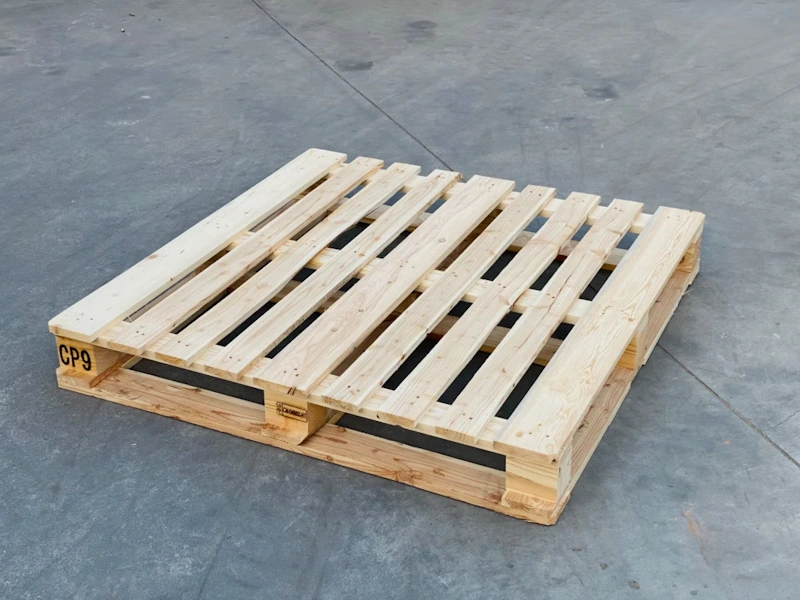
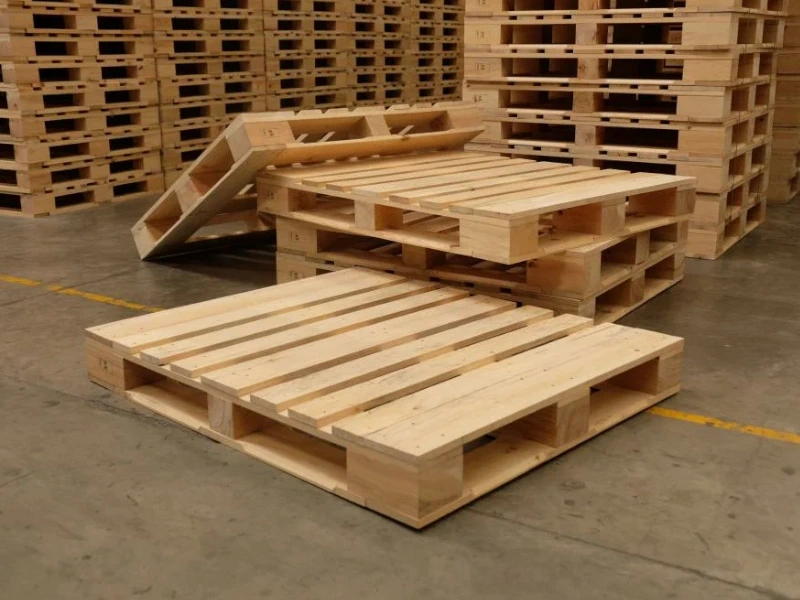
    The most important size is the 48 x 40 inch or GMA size when discussing a standard size in the United States.

    This dimension is common in grocery and retail supply chains. It is one of the most widespread load platforms in the context of the transportation and storage of goods.

    This standard design assists companies in dealing with products without difficulties.

    It enables the use of forklifts and pallet jacks to move and pick things fast. 

    Common Sizes and Dimensions of Pallets

    This size is popular and useful, a fact demonstrated by the fact that about 30 percent of new wooden platforms in America are made in this size.

    The frame is typically fitted with deck boards that are approximately three and a half inches wide and half an inch thick.

    It is robust enough to carry heavy weights and, at the same time, light enough to move around.

    SizeTop Deck BoardsBottom SupportsSupports/StringersSafe Load (lbs)Average Weight (lbs)
    48” x 40”75459237
    42” x 42”743444536
    48” x 48”633467337
    40” x 48”743369642
    40” x 40”633354429
    36” x 36”643354432
    48” x 36”633526131

    These standard sizes help businesses select the right structure based on load capacity, handling, and product requirements.

    How the 48” x 40” Standard Began

    This widely used size was introduced during World War II by the Grocery Manufacturers Association. Their goal was simple. They make shipping faster and more organized.

    By using one standard size, companies could

    • Move goods easily between locations 
    • Reduce wasted space 
    • Improve loading and unloading speed 
    • Make handling equipment more efficient 

    Because of these benefits, this size became the preferred choice in the grocery and retail industries.

    Capacity

    The standard 48” x 40” design has a height of about 4.5 inches. The structure includes top and bottom boards, along with support beams in between.

    Load capacity depends on design and material, but typically:

    • Can hold up to 4600 lbs 
    • Suitable for heavy goods like food, boxes, and bulk items 

    This makes it a reliable choice for daily warehouse use.

    Common Materials Used

    Different materials are used to build these load platforms, but wood remains the most popular. Wood is preferred for several reasons. 

    • Strong and durable 
    • Cost-effective 
    • Easy to repair 
    • Customizable in size and design 
    • Suitable for heavy loads 
    • Recyclable and reusable 

    Wooden designs are widely used in manufacturing, logistics, and storage.

    Other Materials

    There are other materials used to make these pallets. 

    • Plastic is clean and moisture-resistant 
    • Corrugated cardboard is lightweight and natural

    However, these alternatives are usually used in specific situations where special features are needed.

    Basic Design Types

    There are three main structural designs used in the industry:

    1. Stringer Design

    • Uses horizontal wooden supports 
    • Usually has 3 support beams 
    • Can allow two-way or partial four-way entry 
    • Common in warehouses 

    2. Block Design

    • Uses solid blocks for support 
    • Allows full four-way entry 
    • Stronger and more durable 
    • Suitable for heavy loads 

    3. Skid Design

    • Simple structure with no bottom deck 
    • Lightweight and cost-effective 
    • Used for heavy-duty or basic applications 

    Design Modifications

    These structures can be modified based on specific needs:

    Solid Deck

    • No gaps between boards 
    • Smooth surface 
    • Ideal for small or unstable items 

    Double Face

    • Boards on both the top and bottom 
    • Better weight distribution 
    • Available in reversible and non-reversible styles 

    Winged Design

    • Extended edges for better load support 
    • Helps with wrapping and securing goods 

    Double Wing

    • Extended edges on both sides 
    • Offers extra support and flexibility 

    Ways to Choose the Right Option

    Various industries use different designs based on their needs.

    • Grocery Industry 

    The most frequently used dimension is 48 x 40, which is used in the grocery industry. These are ideal units with food items, boxed goods, and perishables. 

    Grade A, free of repairs, high-quality, and clean. 

    Grade B, cheaper, can be worn or repaired. 

    • Glass Industry 

    The designs of glass handling must be very tough and powerful to hold heavy bottles. Its typical size is 56 x 44, but most are made to suit a particular product. 

    • Can Industry 

    These are the best platforms to carry the cans and bottled products. It is commonly 44 x 56 with a flat surface to ensure that this size does not roll or be moved during transit. 

    • Beverage Industry 

    Beverage units are small, 36 x 36, and they are easily loaded and unloaded. Their small size enhances efficiency in the storage and handling of drinks. 

    • Automotive Industry 

    Automotive platforms are designed to transport parts safely; in most cases, they are custom-made.

    The typical size is 48 x 45, which has been designed to accommodate heavy and irregularly shaped items without any damage. 

    • Chemical Industry 

    Chemical platforms are safer and more durable. They are tough, resistant to damage, chemicals, or severe conditions.

    There are special types, CP1 to CP9, which are specialized in chemical transportation requirements. 

    • Telecommunications Industry 

    Telecommunications uses a size of 42 x 42. They are also applied in the paint and technical coating sectors that require medium-weight support.

    Conclusion 

    The role of standard sizes and designs is very significant in logistics.

    They assist companies in transporting products more quickly and at lower costs.

    The most common format used is the 48 x 40 since it is efficient and reliable. It is important to know about the sizes and features for businesses.

  • What is a Pallet? Why it is Used For?

    What is a Pallet? Why it is Used For?

    A pallet is a flat surface applied in warehouses but it is far more than just that. It is a vital factor in the storage, handling and transportation of products throughout the globe.

    It is a powerful frame that will carry and transport heavy equipment without risks.

    What is Pallet?

    It enables products to be pushed with the help of machines such as forklifts or conveyors. This simplifies carrying heavy loads without using manual labor.

    The goods are normally loaded on the pallet and fastened with either straps or plastic wrapping.

    The whole load can be transported in one go when the items are placed inside the packaging. 

    The system helps save time and effort while also improving the safety aspect in the warehouse and factory settings.

    A variety of different platforms have been created for different purposes over time.

    Every platform comes with its own set of specifications and suitable scenarios for its application.

    Types of Load Platforms and Their Uses

    It is important to know about the kinds of pallets. A variety of platforms can be purchased from the market.

    Choosing the right one will depend on the kind of load. Handling process and storage facilities are also important things to consider. 

    • Wooden Platforms

    They are the most widely used option around the world. These are made from natural timber or engineered wood and formed into a flat and sturdy base.

    • Strong and can carry heavy goods 
    • Suitable for many industries 
    • Easy to repair and reuse 
    • Stackable to save storage space 
    • Cost-effective for businesses 
    • Easily available in the market 
    • Can be reused for furniture and décor

    They may have minor drawbacks, such as nails. Splinters affect handling safety if not managed properly.

    • Plastic Platforms

    These synthetic bases are widely used in industries where hygiene is a top priority. They can be food processing and pharmaceuticals.

    • Lightweight design reduces shipping costs 
    • Much lighter than wooden options 
    • Easy to clean with chemicals or steam 
    • Do not absorb moisture 
    • Suitable for all weather conditions 
    • Highly durable with a long lifespan 
    • No nails or sharp edges for safe handling 

    Plastic pallets have become a strong alternative to wooden ones with modern advancements.

    They also work well in automated warehouses where machines control movement and storage.

    • Cardboard Platforms

    These bases are a modern and eco-friendly solution. They are manufactured with natural materials.

    These options are extremely light. They are often much lighter than wooden alternatives.

    • Lightweight yet supports good load 
    • Easy handling reduces injury risk 
    • Produces minimal waste 
    • Ideal for eco-friendly businesses 
    • Easy to recycle after use 
    • Custom shapes and sizes available

    Brands can print logos or designs on them. They make them useful for both transport and marketing.

    • Metal Platforms

    These are famous for offering special strength and durability. 

    • Handles extreme weight easily 
    • Performs well in harsh conditions 
    • Resistant to fire and pests 
    • Made from steel or aluminum 
    • Highly reliable for heavy-duty use 
    • Heavier than other options 
    • More expensive than alternatives 
    • Ideal where strength matters most
    • Presswood Platforms

    These are made from compressed wood fibers or chipboard. Although less common, they are widely used in international shipping. 

    • Lightweight and easy to handle 
    • Suitable for medium loads 
    • Stackable design saves space 
    • Helps reduce storage and transport costs 
    • Meets international shipping standards 
    • No extra treatment required 
    • Ideal for export use

    Why These Platforms Matter in Logistics?

    Handling bases have revolutionized how goods travel within the chain.

    Previously, transporting goods took much manual effort and time. Huge amounts can be carried conveniently and securely in one process.

    Efficiency and organization are other benefits that come along with this solution. 

    This equipment allows storing products in stacks to optimize the available space.

    One more major advantage is that it ensures the safety of employees.

    They do not have to move heavy things physically, so there will be no injuries.

    Effect on Warehouse Flooring

    Even though handling bases provide many positive features, their usage can affect industrial floors.

    This is because of constant contact with the ground due to carrying hefty weights.

    These platforms can create marks and scratches on warehouse floors with their wheels.

    Dangers like falling off the machine can also lead to some damage to the floor.

    To prevent it, companies invest in special flooring for warehouses. Maintenance also plays an important role here.

    Conclusion

    Its design may appear quite primitive, but its role in the universe of the contemporary logistics cannot be overestimated.

    Both made of wood and any other material, they have their own applications.

    The understanding of which one to utilize can allow enhancing efficiency to decrease the costs without harming the safety of the goods delivery process.

    The industries are growing and expanding at an unprecedented pace, hence there can be no doubt that pallets will continue to be of great significance in the future also.

  • Packaging Companies Announce August Layoffs

    Packaging Companies Announce August Layoffs

    Various packing firms have made job cuts in connection with restructuring initiatives meant to increase efficiencies and adapt to changes in the industry.

    According to industry experts, the moves result from attempts by various firms to match production capacities, cut down on operational expenses and network their manufacturing processes based on the existing consumer demands.

    The recent developments have seen several firms making job cuts at different plants across America.

    While some have closed their manufacturing plants, others have initiated workforce cuts that are both permanent and temporary.

    Business experts claim that these are long-term business strategies intended to improve the firm’s operations.

    The industry experts add that increasing cost of production, lower demands for some of the packaging products and adjustments in the supply chain process have informed these moves.

    Several firms have initiated various automation and modernization processes which change the way the goods are manufactured and delivered.

    Reports from recent industry announcements show that several packaging companies have filed notices regarding workforce reductions at manufacturing plants in different states.

    Company representatives have stated that affected employees will receive information about available support programs, career transition services, and other assistance where applicable.

    The packaging industry has experienced significant changes during the past few years.

    Consumer buying habits continue to evolve, while businesses seek more sustainable and cost-effective packaging solutions.

    Manufacturers are balancing investments in recyclable materials, advanced equipment, and digital technologies with the need to control operating expenses.

    Experts say the restructuring reflects a broader transformation taking place throughout the manufacturing sector.

    Companies are reviewing production networks, consolidating operations, and shifting resources toward facilities with higher efficiency and stronger long-term growth potential.

    The latest developments have also attracted attention from suppliers, logistics providers, and local communities.

    Plant closures and workforce reductions may affect regional economies, particularly in areas where manufacturing facilities provide significant employment opportunities.

    Local officials often work alongside employers to support affected workers through employment services and workforce development programs.

    Industry organizations continue to monitor market conditions as companies respond to changing customer expectations.

    Demand remains steady in several packaging categories, including food, beverage, healthcare, and e-commerce.

    However, competitive pricing pressures and higher operating expenses continue to influence business decisions across the sector.

    Manufacturers emphasize that restructuring does not necessarily reflect declining demand across the entire packaging market.

    Instead, many companies are repositioning their operations to improve productivity, strengthen supply chains, and better serve customers through more efficient manufacturing networks.

    The recent wave of restructuring has also encouraged companies to focus on innovation.

    Many businesses continue to develop sustainable packaging materials, lightweight designs, and recyclable products that meet changing environmental goals.

    Investments in automation, artificial intelligence, and smart manufacturing technologies are expected to remain important priorities over the coming years.

    Industry observers believe the sector will continue evolving as businesses adapt to economic conditions and customer preferences.

    While workforce reductions present immediate challenges, many organizations expect restructuring efforts to create stronger operational foundations for future growth.

    The phrase packaging companies announce August layoffs has become a widely discussed topic across manufacturing and business communities.

    The announcements highlight how organizations are responding to economic pressures while preparing for long-term competitiveness through strategic operational changes.

    Employment experts encourage affected workers to explore retraining opportunities, manufacturing positions in growing sectors, and local workforce assistance programs.

    Many state agencies and community organizations provide job placement services, career counseling, and skills development resources to help employees transition into new roles.

    Business analysts expect packaging manufacturers to continue reviewing facility performance throughout the coming months.

    Future investments are likely to focus on advanced production technologies, sustainable packaging solutions, and operational improvements that support changing customer demands.

    Although workforce reductions represent difficult decisions, industry leaders maintain that restructuring initiatives are intended to position companies for long-term success.

    Continued investments in innovation, efficiency, and sustainability are expected to shape the next phase of growth within the U.S. packaging industry.

    As the industry moves forward, customers, suppliers, employees, and investors will continue watching market developments closely.

    Companies remain committed to delivering reliable packaging solutions while adapting their operations to meet future challenges in an increasingly competitive environment.

    Moving forward, experts in the field predict that packaging companies will need to consider production methods in light of changing economic circumstances.

    Automation, digital manufacturing, and eco-friendly packaging will probably stay at the forefront of concerns.

    Those firms who manage to reconcile efficiency with innovation could enhance their competitive edge while satisfying the requirements of sustainable packaging.

    In spite of the current personnel downsizing measures, there is still reason to be positive about the future of the U.S. packaging industry.

    E-commerce growth, food delivery services, healthcare sector development, and consumer goods all offer new possibilities for developing high-tech packaging products.

    As soon as market dynamics get stabilized, firms will concentrate on growth, technological improvements, and logistics.

    The discussion surrounding packaging companies announce August layoffs also reflects broader trends affecting manufacturers nationwide.

    Industry experts believe that organizations able to balance operational efficiency, workforce development, and innovation will be better positioned to succeed in the years ahead.

  • Four Types of Packaging That Prevent Tampering With Medicine

    Four Types of Packaging That Prevent Tampering With Medicine

    Drugs are needed to keep people healthy. Hence it is vital to prevent drug abuse.

    Tampering is a process that involves an act whereby an individual alters the packaging or contents before the authorized user gets the medicine.

    The pharmaceutical companies prefer using safe packaging in order to avoid these risks. These solutions keep products intact and offer indicators of visible protection.

    Let us describe four major types of tamper-proof packaging in the below lines.

    Four Key Types of Tamper Proof Packaging

    Pharmaceutical companies primarily use four packaging methods to safeguard medications. These solutions apply to pills and liquid medicines.

    1. Blister Packs

    They are made of plastic and are closed with foil or film on one of the sides. A pill or capsule is contained in each cavity.

    • Pills can be kept fresh and dry.
    • Have visible signs empty cavities will demonstrate that the medication was used.
    • Stops spillage or contamination caused by an accident.
    • Helps to monitor doses per day or week.
    • Not to lose the quality of products and their freshness.
    • Enabling the user and pharmacist to identify tampering.

    Manufacturers can contribute to ensuring patient safety. The pills are further secured in cardboard medicine boxes by placing blister packs in them to ensure that the pills are safe during storage and transportation.

    They are designed in such a way that the pill can only be found when the bubble is pressed.

    This will provide a good measure of protection for the pill against interference.

    1. Child Resistant Containers

    This is a special form of packaging that is used to prevent access by young children to medications.

    Such containers typically have a push and turn or squeeze and turn mechanism of opening.

    • Protects against accidental ingestion by children.
    • Provides additional security to the households and pharmacies.
    • Fits into medicine boxes made of cardboard to be stored safely.
    • Enhances secure home access and does not restrict adult access.

    These safe bottles are common in prescription drugs and liquid medicines.

    The pack allows adults to access the packaging safely without complications in order to minimize the chances of accidental exposure.

    1. Unit Dose Packaging

    This is the delivery of single doses of medication in separate and pre-measured units.

    The doses are packaged and labeled separately and usually in a small pouch or a blister cavity. 

    • Ensures proper dosing of the patients. 
    • Eliminates risks of contamination through reduced handling. 
    • Eases hospital and care administration. 
    • Allows the medication name and expiration date to be clearly labeled. 

    This packaging can be customized that make it secure and organized.

    1. Sealed Bottles with Tamper Evident Caps

    They are items that have plastic or foil seals below the top. It is necessary to eliminate them in order to access the medicine.

    There are also bottles with shrink-wrap or breakable rings on them to enhance security.

    • Seal integrity demonstrates the opening of the bottle.
    • Break rings or shrink-wrap rings are also more secure.
    • Packaging is commonly provided with guidance and safety warnings.
    • Effects with both prescription and over-the-counter liquids.

    The seal is easily checked by consumers to check safety. The product must not be used if the foil or ring is broken or lost.

    Such bottles are specifically convenient when it comes to liquid medicines.

    How Tamper Proof Packaging Works in Practice

    They offer both physical and visual protection. Manufacturers combine these methods with printed outer cartons to ensure the medicine remains safe during storage and display.

    • Blister packs ensure pills remain separate and secure until taken
    • Child resistant bottles prevent accidental access by children
    • Unit dose packs maintain accurate dosage while reducing handling
    • Sealed bottles provide clear tamper evidence through foil or breakable rings

    They allow healthcare providers and patients to verify that medicines are safe before use.

    Modern Machinery for Tamper Proof Packaging

    It assists the pharmaceutical firms in making safe products at an efficient level.

    • The blister packing machines are good ones to package pills using plastic and foil layers to form protective individual doses.
    • Cartoning machines print carton and blister packs or bottles are put into place 
    • Shrink wrap machines are used to tightly cover bottles with plastic to be tamper evident.
    • Vertical form fills seal machines fill powders or granules into sealed bags.

    Such machines improve speed in production and also guarantee consistency and safety in medicine packaging.

    How to Identify Tampered Medicine

    Consumers can check for tampering before using medications. 

    • Broken or missing seals
    • Torn or punctured foil
    • Opened or loose caps
    • Missing pills or unusual pill arrangement
    • Strange smell or texture

    Factors for Safe Packaging

    Some of the best other factors to consider are here. 

    • Follow the printed Instructions. The packages also have dosage and expiration dates.
    • Structure or function claims are on the packaging of vitamins and supplements
    • The use of tamper proof packaging can look appealing and secure. The protection and branding of cartons are offered by high-quality boxes.

    With a combination of these, the manufacturers are able to make sure that there is a safety and information provision in the packaging to the end-users.

    The Importance of Tamper Proof Packaging

    The use of the strong packaging has several advantages.

    • Protects medicines during delivery and display
    • Helps patients follow prescribed dosing safely
    • Builds trust between manufacturers and consumers

    Proper packaging protects the product while maintaining the visual appeal that makes it a critical component of the pharmaceutical supply chain.

    Conclusion

    In order to guarantee the safety and integrity of medicines, tamper proof packaging is essential.

    These solutions are coupled with modern equipment and thoroughly designed cartons and ensure that the medications end up with the end user without loss.

    By using these packaging techniques, pharmaceutical companies can defend the health of patients and ensure the quality of their products during the production and consumption processes.

  • How to Measure Box Dimensions?

    How to Measure Box Dimensions?

    It is to be measured in length to height. You measure every side with equal measure.

    This assists in the fit of the box to the product. Proper measuring prevents breakage, wastage, and ill-fitting. In this guide, the steps are explained in a manner.

    It also describes the importance of taking the right measurements.

    The idea is to make you measure boxes. Short sentences are employed in each section. It is easy to read and understand. 

    Size Accuracy That Protects and Fits Products

    Proper box measurements are crucial for a lot of reasons. They assist in putting the products in the box without straining. This reduces the potential of bending or damage.

    Smooth packing and stacking are also encouraged by proper measurements. Boxes of the right sizes appear to be well-balanced. Printing is easier if the dimensions are right.

    There is improved utilization of storage space. Cargo transportation is made easier and more efficient. Measurement errors may result in waste and rework.

    Proper dimensions save time in production. They also assist in consistency between the packaging styles. Measurement helps in improving performance at each level.

    Know the Basic Box Dimensions

    Understanding box dimensions helps avoid errors. Each dimension has a clear role.

    Learning them makes measuring easier. It also supports better design and box performance.

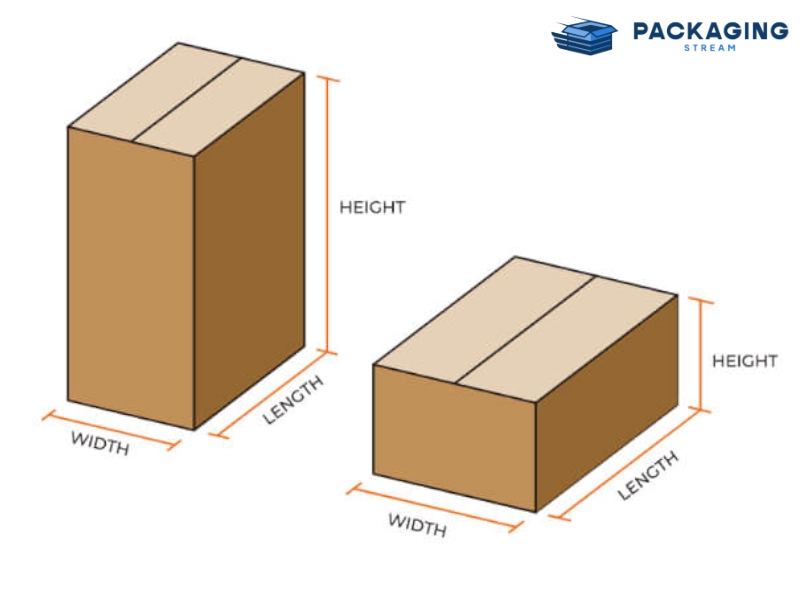
    • Length

    The biggest side of the box is called the length. The space of main products can be frequently located in this dimension.

    The adequate length holds the item in place. The wrong fit may result in loose-fitting. This could influence fortification and general box stability during transport.

    • Width

    This is the front face to the back side. It determines the level of immersion of the product in the box. Adequate width ensures products can be held in position.

    Excessive breadth will bring about movement. An excessively narrow width can press the product. The right width facilitates and allows a clean packing and simple closing of boxes.

    • Height

    It determines the height of the box to be used, measuring this side from the bottom to the top.

    Height will shield the product against top pressure. Extra height can waste space. Height is short and can be a source of injury.

    Proper height makes the box stable and in good shape. These dimensions were known, and so, the box was easy to measure.

    It also contributes to the prevention of confusion when packing and printing.

    Understanding these dimensions makes the box measurement clear. It also helps avoid confusion during packing and printing.

    Different Styles Depend on Dimensions

    Box styles are linked to dimensions. Each style needs correct spacing. Size affects folding, closing, and overall structure.

    • Width and Styles

    Width affects how box flaps fold. Some styles need more side space. Narrow-width suits simple designs. 

    • Pillow Boxes
    • Small Tuck-End Boxes
    • Small Sleeve Boxes
    • Cosmetic Sample Boxes

    Wider boxes support inserts or layers like Auto Bottom Boxes and Window Display Boxes.

    The wrong width can stop proper folding. It may also affect box strength. Correct width allows styles to work as planned.

    • Length and Styles

    Length controls how the box opens and closes. Long boxes suit slide or sleeve styles.

    Short length works for tuck-end styles. Incorrect length can cause weak closures.

    It may also affect product placement. Proper length supports smooth style function.

    • Height and Styles

    Height decides lid space and stacking ability. Tall styles need a stable height. Short styles suit flat packaging.

    Extra height can weaken the structure. Less height may press the contents. Correct height keeps the style strong and easy to use.

    Dimensions guide style choice. Correct sizing helps styles perform better and last longer.

    Measure the Box from the Inside

    Inside measurement shows usable space. It helps products fit well. This method is important for packing accuracy.

    • Measure the inside width from front to back.
    • Measure the inside height from base to top edge.
    • Use the same unit for all sides.

    Inside measuring reduces fitting issues. It helps plan product placement with care.

    Measure the Box from the Outside

    Outside measurement shows the total box size. It helps with storage and shipping planning.

    • Close the box properly before measuring.
    • Measure the outer length across the longest side.
    • Measure the outer width from front to back.
    • Measure the full outer height from base to top.
    • Keep measurements straight and firm.

    Outside measurements help manage space. They support stacking and transport needs.

    Check the Box Depth Carefully

    Box depth affects product safety. It controls how well items sit inside.

    • Keep the measuring tool straight.
    • Avoid pressing the box walls inward.
    • Recheck to confirm accuracy.

    Correct depth avoids movement inside the box. It helps protect items during handling.

    Better Printing Results with Accurate Box Size

    Accurate box size improves printing quality. Designs align better with the correct dimensions. Text stays readable and clear.

    Images fit the layout properly. Misaligned sizes can cause cutoffs. This affects the final look. Correct dimensions support clean folds and sharp edges.

    Printing plates work more accurately. Color placement stays consistent. Overall appearance looks balanced. 

    Mistakes That Can Leave a Wrong Impact

    Measuring errors can affect the box result. Knowing common mistakes helps avoid problems.

    • Width Mistakes

    Many people measure width from the wrong side. Some forget to check the inside space. Pressing the box can change the results.

    Using mixed units also causes errors. Incorrect width affects folding and fit. Careful placement of the tool avoids these issues.

    • Length Mistakes

    Length is often confused with width. Measuring the shorter side by mistake is common. Skipping rechecks leads to errors.

    Crooked tools give false results. Wrong length affects style and closure. Always confirm the longest side.

    • Height Mistakes

    Height is sometimes measured with the box open. This gives wrong results. Ignoring top flaps also causes issues.

    Uneven surfaces change readings. Incorrect height affects stacking and safety. Measuring closed boxes helps accuracy.

    Avoiding these mistakes saves time. It also improves overall box quality.

    Steps to Take Box Measurements

    It needs to keep all the above factors in mind, and then you should follow these steps to create an accurate packaging or box. 

    • Decide the Product Size


    Measure the accurate size of the product first. This ensures the box will fit properly.

    • Add Extra Space

    Include a little extra space for padding or protective inserts. This prevents the product from being too tight.

    • Measure Dimensions 

    Measure the longest side of the product. This will be the box’s length.

    Take the accurate dimensions of the side from front to back. This determines the box width. Measure it from bottom to top. This will be the box height.

    • Consider Flaps and Closures

    Add space for flaps or lids according to the box style.

    Recheck all dimensions to ensure accuracy before making the box. Write down the final record. Keep it ready for production.

    Conclusion

    Every side has to be measured in a distinct order. The results remain accurate when using the same unit.

    Proper measurement helps in enhanced fitting and guarding. It also enhances printing and box designs. These are easy measures to take in order to prevent mistakes.

    Proper packing will be achieved because of careful measuring. An easy and reliable process is achieved by a clear understanding.

  • Advanced Packaging Substrate Market Across the World

    Advanced Packaging Substrate Market Across the World

    The advanced packaging substrates market is experiencing consistent growth. In 2024, the market is estimated to be worth USD 15.8 billion.

    Growth is driven by increased demand for cutting-edge electronics. Several sectors rely heavily on sophisticated devices. Market projections indicate potential revenues of up to USD 31.1 billion by 2033.

    This reflects high market demand for the future. Consumers are demanding smaller and more efficient devices. Advanced packaging substrates fulfill this objective.

    Semiconductors significantly contribute to market growth. There is a need for swift and energy-efficient devices.

    Advanced packaging allows for greater connectivity within compact chips. It enhances signals effectiveness as well.

    Emerging technologies such as 5G and the Internet of Things (IoT) have contributed to this growth. Such innovations require excellent data-processing capabilities.

    Growth Drivers

    Industrial machinery is another area that contributes to economic growth. Smart factories require efficient machinery.

    Efficient machinery requires durable and dependable components.

    The healthcare industry is also a major contributor to growth. Healthcare requires medical equipment.

    Medical equipment needs efficient chips. Improved results can be achieved using advanced substrates.

    Consumer demands play an important part in the growth of advanced substrates. Consumers want fast smartphones and smart gadgets.

    As a result, there is design pressure. Increased pressure results in demand for efficient substrates.

    Technology Advancements

    Technological innovation has influenced the market. The flip chip is extensively utilized. It enhances performance while reducing the size.

    It accommodates high-speed components. It is employed in computers and graphic engines.

    They are efficient in decreasing size and increasing effectiveness. They facilitate multi-functionality in one component.

    They are incorporated in cell phones and wearable items. They are instrumental in designing compact and effective products.

    The embedded die technique integrates components into the substrate.

    It is effective in enhancing signal intensity and conserving space. This hampers its adoption

    Substrate Type Analysis

    There are two major classes of substrates. These are organic substrates and inorganic substrates.

    Organic substrates are malleable and cheap. They are used in consumer electronics.

    Large-scale manufacturing is feasible in these substrates. In addition, they have superior electrical properties.

    Inorganic substrates are durable and resistant to high temperatures. They are used in rugged environments. These include automotive and industrial applications.

    Nevertheless, they are expensive. Hence, their use is limited. Hybrid substrates are increasingly becoming common. They exhibit qualities of both types.

    Other materials are currently being developed. The new materials enhance thermal stability and durability.

    It makes it possible for their application in a wider range of sectors. Manufacturers are prioritizing efficiency.

    Application Areas

    Consumer electronics dominate the market. Electronic products such as smartphones and laptops require highly complex circuits.

    These circuits must operate efficiently to perform their function. Substrates can aid in enhancing efficiency.

    The automotive industry is expanding rapidly. Electric cars require efficient electronics. Telecommunications technology is crucial.

    5G networks require high-speed data transfer. Industrial systems utilize highly sophisticated control circuits.

    The healthcare sector requires advance medical equipment. All these segments boost the market.

    Wearable technology is expanding at a rapid pace. Wearable technology requires highly efficient circuits.

    Substrates contribute toward enhancing functionality within limited space. This boosts market demand.

    End Users

    OEMs are the primary adopters of advanced substrates. They design and sell products using these substrates.

    Their primary objective is to enhance quality. EMS organizations are also critical in the market. They offer assembly and testing services.

    Foundries are also significant adopters. They offer packaging services. They assist with the release of new products.

    Other adopters include research organizations. They concentrate on innovation and application development.

    Other adopters include design firms. They develop product concepts.

    They assist in enhancing system performance. It promotes the adoption of advanced substrates.

    Opportunities and Challenges

    The market offers many opportunities. Demand for AI and smart devices is rising.

    These systems need advanced packaging. Automotive and healthcare sectors also create growth.

    However challenges exist. High cost is a major issue. Complex production processes slow growth. Companies must invest in new methods.

    Technology changes quickly. This creates risk. Continuous improvement is needed to stay competitive.

    Supply chain issues can also affect growth. Shortage of materials can delay production. Companies must manage these risks carefully.

    Regional Outlook

    Opportunities are abundant in the market. The market demand for AI and intelligent devices continues to increase.

    Such systems require advanced packaging. The automotive and health care industries present opportunities.

    Several challenges exist in the market. Cost is a significant challenge. Difficulties in the production process reduce growth. Firms must embrace innovative processes to ensure

    competitiveness. Technology is evolving rapidly. It poses risks to firms.

    Challenges in supply chains also pose risks. Insufficiencies may hinder production.

    Segment TypeCategories
    Substrate TypeOrganic Substrates Inorganic Substrates
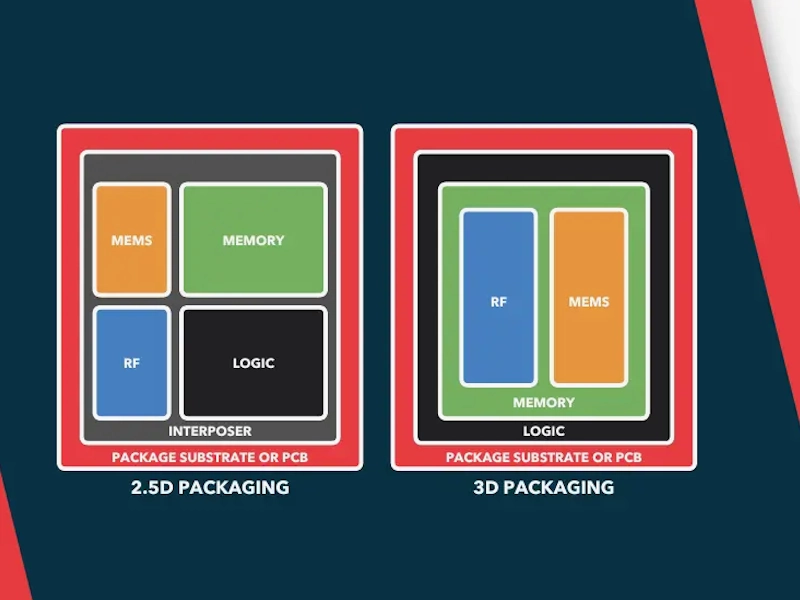
    TechnologyFlip Chip Fan Out Fan In Embedded Die 2.5D 3D Packaging
    ApplicationConsumer Electronics Automotive Telecommunications Industrial Healthcare
    End UsersOEMs EMS Providers Foundries Others
    RegionsAsia Pacific North America Europe Latin America Middle East and Africa

    Competitive Landscape

    The industry is characterized by high levels of competition. There are many international firms participating in the business.

    They have an innovative nature and emphasize product quality. They have invested more in material and design improvements. Joint ventures are prevalent in the industry.

    Automated processes are being adopted increasingly in the production process. It enhances efficiency and reduces costs.

    There are emerging businesses that have been joining the market.

    They have brought about innovative concepts. Established firms remain at the forefront with technology.

    Companies have also emphasized consumer demands. They provide customized products that enhance their competitiveness within the market.

    Future Outlook

    The outlook for the market is favorable. There will be more demand for smart devices.

    Technology advancements will drive the need for substrates with improved performance at reduced costs.

    There will also be a shift towards sustainable manufacturing processes.

    Environmentally friendly substrates will be considered in the future trends. This will ensure the sustainability of the industry.

    Moreover, digital transformation will further enhance the adoption of smart systems across various sectors.

  • Advanced Packaging Attach Rate Semiconductor Industry 2025

    Advanced Packaging Attach Rate Semiconductor Industry 2025

    There is a high growth and innovation in the advanced semiconductor packaging market.

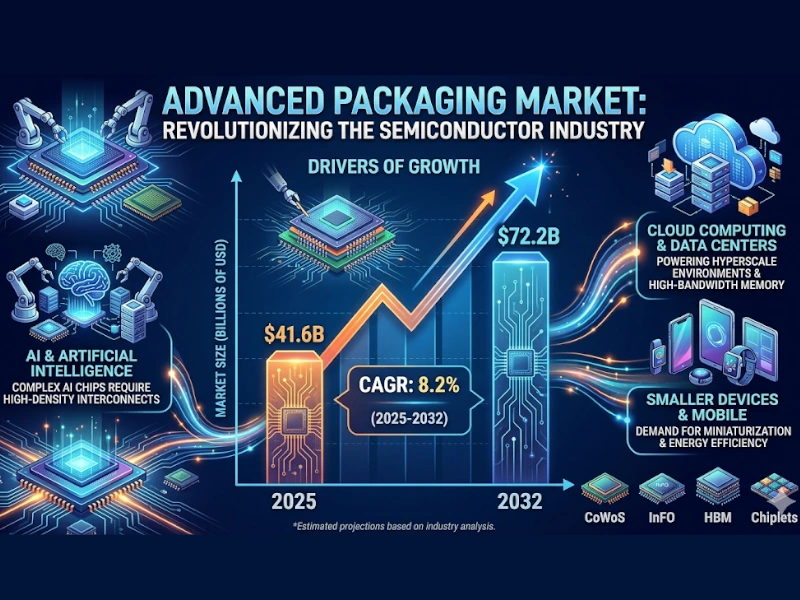
    The market will grow to USD 41.61 billion in 2025 and to USD 72.24 billion in 2032 with a compound annual growth rate of 8.2.

    This is fueled by the increasing need for cloud computing, artificial intelligence (AI) and miniaturized electronic devices in different industries.

    Key Market Drivers

    The market has a high concentration of major players. These companies are investing in innovative packaging technologies to meet growing demands.

    Demand for Smaller

    There is a high concentration of large players in the market. These firms are investing in new packaging technologies to satisfy the increasing needs. 

    • The global consumer is insisting on thinner, more powerful electronic products like smartphones and wearable technology. In order to fulfill this need: 
    • Advanced semiconductor packaging combines additional chips and passive devices into a smaller area. 
    • Fan-out and flip-chip packaging technologies permit ultra-thin form factors. 
    • It becomes possible to make smaller and more efficient devices without taking away performance. 

    These inventions also make electronics viable and small enough to meet contemporary consumer demands for technology.

    Growth of IoT and 5G Networks

    The IoT and 5G networks are advancing rapidly.

    • The compact system-in-package solutions are needed in connected devices in homes and industries. 
    • Packaging solutions are expected to ensure that sensitive parts are not affected by moisture or vibration. 
    • Robotic applications such as autonomous vehicles and industrial robotics produce heat, which poses the need to implement the latest cooling and thermal management methods. 
    • High 5G network bandwidth facilitates huge data creation, which creates pressure to adopt multi- die integration technologies. These necessitate advanced semiconductor packaging to be viable in high-performance and reliable machines.

    These factors make advanced semiconductor packaging essential for efficient and reliable devices.

    Market Challenges

    Advanced packaging enhances performance and miniaturization, but the prices are prohibitive. 

    • The process of updating the production lines and equipment is a capital-intensive exercise. 
    • Training of the workforce and obtaining specialized materials are also cost-additive. 
    • New technologies and rising costs may have less initial yield. 

    These smaller producers or companies in markets with price sensitivity may wait until the benefits outweigh the costs.

    Market Opportunities

    There is increased electronics in vehicles because 

    • Advanced driver-assistance systems 

    • Connectivity and infotainment features. 

    Electric and autonomous car technologies. 

    Advanced semiconductor packaging made possible 

    • High functional integration 

    • Lower power consumption 

    • Reliable multi-chip interconnections 

    This expansion will present new business prospects to semiconductor firms in terms of partnering with automakers and suppliers. 

    Strategies by Leading Companies

    All the companies prefer using some tactics. 

    3D or 2.5D IC Packaging

    Leading companies focus on 3D and 2.5D packaging for computing, mobile, and connectivity applications. Example: Intel’s Embedded Multi-die Interconnect Bridge. 

    • Companies partner with top foundries to access advanced process nodes and co-develop new packaging technologies. For example, Amkor collaborates with Samsung and GlobalFoundries. 
    • Firms target AI and autonomous vehicles. They offer custom packaging solutions for early market advantage. 

    Segmental Analysis

    Segmental analysis breaks a market into smaller parts to better understand trends and growth opportunities in each segment.

    Flip Chip Packaging

    Expected to hold 39.8% market share in 2025.  

    • High input or output connection density 
    • Short interconnects for better signal performance 
    • Copper pillar bumping for enhanced electrical and thermal properties 

    Fan Out Wafer Level Packaging 

    Enables ultra thin devices and improved thermal performance. 

    • Supports stacking of logic and memory chips for high-performance computing. 
    • Integrates multiple components in a single package for compact designs. 

    Advanced packaging ensures processors can handle emerging AI and autonomous vehicle applications efficiently.

    By End-User Industry

    • Devices like smartphones and wearables need aggressive miniaturization. 
    • Increasing electronics content in vehicles drives demand for advanced packaging. 
    • Supports features like ADAS, infotainment, and electric vehicle powertrains. 
    • The 42” x 42” pallet size is widely used in telecom, paint, and coating industries. 

    Healthcare and defense increasingly adopt miniaturized electronics requiring specialized packaging solutions. 

    Competitive Landscape

    Key companies operating in the advanced semiconductor packaging market include Advanced 

    • Micro Devices, Inc.
    • Intel Corporation 
    • Hitachi, Ltd. 
    • ASE Technology Holding Co., Ltd. 
    • Amkor Technology 
    • STMicroelectronics 
    • Infineon Technologies 
    • Samsung Electronics Co., Ltd. 

    These companies focus on innovation and emerging applications to strengthen their market position.

    Recent Developments

    Samsung Electronics (July 2024)

    Established a team for high bandwidth memory research that is critical for AI devices. 

    Resonac Corporation (July 2024)

    Launched “US-JOINT” initiative with five U.S.-based companies for advanced packaging R&D, focusing on 2.5D and 3D technologies for AI and autonomous driving. 

    Market Summary

    The high-technology semiconductor packaging market is booming because of

    • Miniaturization of consumer electronics. 
    • The emergence of AI, IoT, and 5G applications.

    Such major packaging technologies as flip chip, fan-out wafer-level packaging, and 3D ICs are radically innovating.

    Asia-Pacific is the leader, and the main players keep investing in research, partnerships, and new applications. 

    The high-performance, compact, and efficient electronics in industries require advanced semiconductor packaging. Due to the increased need to have smarter,

    connected, and miniaturized devices, the market will keep its positive upward trend.

  • Meme for Stealing an Idea and Repackaging it Explained

    Meme for Stealing an Idea and Repackaging it Explained

    The internet loves a good joke, and one of the funniest trends is the meme for stealing an idea and repackaging it.

    In the case of the joke, it depicts people who try to revamp an old idea by making it look all new on the outside and then try to sell it to people.

    Memes have their own form of entertainment, but in this context, the notion seems to be highly applicable to packaging as well.

    Product packaging always includes design modifications, visuals or even new things that can transform the whole experience of using familiar products.

    Why the Internet Loves Repackaging Memes?

    The memes on stealing other people’s ideas and rebranding them are funny since they capture the reality people see every day.

    An idea becomes popular, people copy the idea, add some color changes or change the text.

    These memes usually highlight:

    • Old idea, new presentation 
    • Familiar concept, fresh appearance 
    • Small changes with big reactions 
    • Creativity mixed with imitation 

    Packaging follows a similar path where appearance often changes customer perception.

    Repackaging: More Than Just Changing the Outside

    Repackaging is not always about copying. In business and packaging, repackaging means presenting something in a better, more attractive, or more relevant way.

    A product may stay exactly the same while the packaging tells a new story.

    Examples include:

    • Seasonal printed packaging 
    • Limited edition designs 
    • New color themes 
    • Custom illustrations 
    • Modern typography updates 

    This idea makes the meme concept feel connected to real packaging strategies rather than simple internet humor.

    How Memes Connect Naturally with Packaging Design

    Memes work because they communicate quickly. Packaging has the same goal. Customers often decide within seconds whether they want to notice a product or move on.

    A package with meme elements can create:

    • Fast emotional connection 
    • Higher visual interest 
    • Better brand recall 
    • More social sharing 

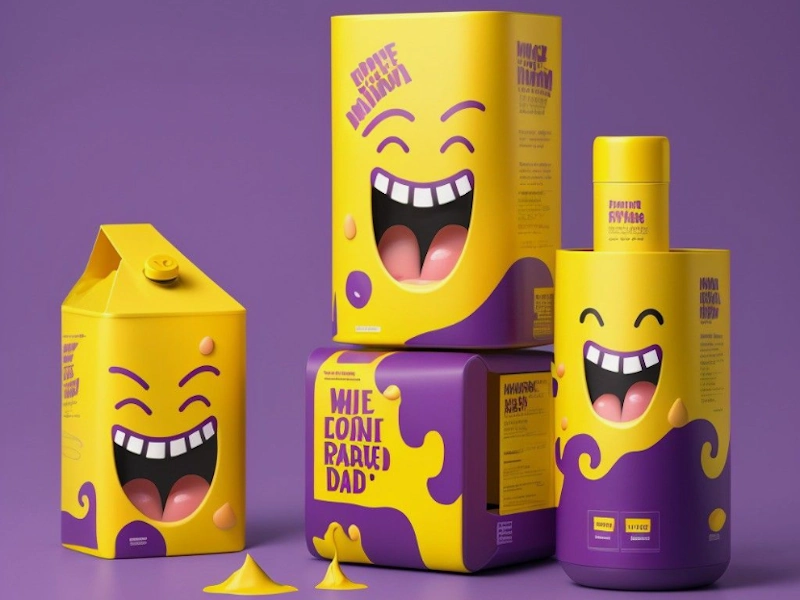
    Instead of traditional graphics, brands sometimes use humorous captions, familiar internet expressions, and playful illustrations to make packaging feel more relatable and entertaining.

    Printing Memes on Packaging Is Becoming a Creative Trend

    Memes are no longer limited to social media posts. Many brands now use meme-style content directly on packaging to make products more shareable.

    A funny box often becomes part of the product experience itself.

    Creative examples include:

    • Funny shipping messages 
    • Meme-style product labels 
    • Humorous side-panel text 
    • Joke-based limited editions 
    • Viral-inspired illustrations 

    When done correctly, meme packaging turns ordinary boxes into conversation starters.

    The Difference Between Copying and Smart Repackaging

    The meme for stealing ideas becomes funny because people know the difference between inspiration and copying.

    Packaging works in a similar way. Brands rarely invent every concept from zero. Instead, they improve existing ideas.

    Smart repackaging focuses on:

    • Better customer experience 
    • Stronger visual identity 
    • Unique presentation 
    • Improved functionality 

    Copying repeats the idea. Repackaging transforms the experience around the idea and gives customers something worth noticing.

    Why Customers Notice Presentation Before Product

    Many buying decisions begin with appearance. Customers often see packaging before they understand the actual product. That is why repackaging can completely change perception.

    Packaging influences:

    • First impressions 
    • Brand personality 
    • Customer expectations 
    • Emotional response 

    This explains why memes about changing the outside while keeping the inside identical feel so relatable.

    People recognize how presentation affects attention and decision-making.

    Turning Meme Culture into Brand Personality

    Brands today compete for attention in crowded markets. Meme-inspired packaging gives them a playful way to stand out without changing the product itself.

    Popular approaches include:

    • Internet humor references 
    • Self-aware packaging jokes 
    • Interactive printed messages 
    • Relatable customer situations 
    • Trend-based visual storytelling 

    These details make packaging feel more human and easier to remember long after the product is opened.

    The Role of Humor in Modern Packaging

    Humor creates memorable experiences. A customer may forget a standard package but remember one that made them laugh.

    Memes bring this advantage naturally because they are designed to create instant reactions.

    Benefits of humorous packaging:

    • Encourages social sharing 
    • Improves customer engagement 
    • Creates repeat purchases 
    • Builds emotional connection 

    Even simple meme-inspired text can transform packaging from functional to entertaining.

    Designing Meme-Based Packaging Without Losing Brand Value

    Not every meme belongs on packaging. Brands need balance. Packaging should remain professional while still feeling fun and relevant.

    Good meme packaging follows these rules:

    • Keep humor easy to understand 
    • Match brand personality 
    • Avoid short-lived trends 
    • Maintain visual quality 
    • Focus on customer experience 

    The goal is not to turn packaging into a joke but to make it memorable through personality.

    Conclusion

    The popularity of memes proves that people enjoy seeing familiar ideas presented in unexpected ways.

    The concept behind a meme for stealing an idea and repackaging it mirrors how packaging works in real life, changing perception through presentation.

    Whether through updated visuals, creative redesigns, or even printed memes on boxes, repackaging can make something feel fresh again.

    When humor, branding, and smart design work together, the meme for stealing an idea and repackaging it becomes more than a joke, it becomes a creative packaging opportunity.