Knowledge of pallet weight is significant in freight and warehouse management.
Pallets are used in businesses to transport products without damaging them on their way to a different location.
The freight pricing, storage planning, and equipment choice are dependent on the weight of the pallet itself.
The companies can prevent overloading of trucks and meet shipping requirements with the knowledge of the proper weight of a pallet.
Overview of Average Weight of Pallets
It also assists warehouse groups in planning their storage area and managing goods.
Most pallets have a weight of thirty to seventy pounds, which can be thirteen to thirty two kilogram.
Their precise weight depends on the size and material. The pallet styles are also varied in different regions, and this may cause a weight difference.
Average Pallet Weight by Size
The dimensions of a pallet directly influence its weight. Smaller pallets require less material and therefore weigh less.
Larger platforms are heavier because they contain more wood or structural support.
Pallet Size (Inches)
Approx. Weight (lbs)
Typical Load Capacity (lbs)
24 × 24
14
Up to 1,000
30 × 30
22
Around 1,200
36 × 36
32
2,200 – 3,500
40 × 40
28
About 2,500
40 × 48
40
Up to 4,600
42 × 31
31
Around 6,585
42 × 42
35
About 3,700
47 × 32
32
Up to 5,000
48 × 36
35
3,500 – 5,000
48 × 40
35–40
2,500 – 4,600
48 × 42
42
2,000 – 5,000
48 × 45
44
Suitable for lighter loads
48 × 48
40
3,700 – 4,600
These numbers are general estimates. Actual weights may vary depending on construction methods and materials.
Pallet Weight by Material Type
The weight of a pallet depends on the material that is used in constructing it.
This is one of the most significant factors. The various materials have varying strengths and durability.
Wooden Pallets
The average weight of pallets is thirty to seventy pounds. Specific weight is determined by the type of wood and pallet design.
Hardwood Pallets
Hardwood pallets are made from dense wood types.
Oak
Maple
Hickory
These woods are strong and durable, which makes them suitable for transporting heavy goods.
Weight is about forty to seventy pounds and eighteen to thirty two kilogram.
Load capacity is three thousand pounds to four thousand five hundred pounds.
They are used for heavy industrial loads. Pallets are made from dense materials and tend to weigh more.
Softwood Pallets
They are made from lighter wood species such as:
Pine
Cedar
Spruce
Fir
They are commonly used in general shipping and retail supply chains.
Weight is aboutthirty to fifty pounds and thirteen to twenty three kilogram.
Load capacity is two thousand to three thousand pounds.
Plastic Pallets
Such materials develop light but tough shipping platforms. Food or pharmaceutical industries are the most common sectors that use plastic pallets because of the need for moisture-resistant pallets.
These pallets resist chemicals and pests, which makes them useful in many environments.
Metal Pallets
They are designed for heavy-duty applications.
Steel
Aluminum
They are much heavier than wood or plastic options because of their strong construction.
Their typical weight range is 100 to 200 pounds and 45 to 90 kilograms. Their weight differences are by metal type.
Steel pallets weighone hundred fifty to two hundred pounds, and Aluminum pallets weigh one hundred to one hundred thirty pounds.
Presswood Pallets
These are produced by compressing wood fibers and resin into a molded form.
They are made lightweight and friendly to the environment.
Export shipping is also carried out on such pallets since they commonly correspond to the international shipping requirements without any extra treatment.
Lightweight structure
Space-saving design
The final weight depends on the density of the compressed material and the pallet size.
Factors That Influence Pallet Weight
The weight of a pallet is influenced by a great number of factors.
The lightest types are typically plastic pallets.
The wooden pallets differ according to the type of wood.
The most massive are metal pallets.
Pallet Design
Construction style also affects weight. Some common pallet designs are here.
Single-deck pallets are lighter in structure
Double-deck pallets arestronger but heavier
Stringer pallets aretypically lighter
The block pallet is a heavier design
Open decks reduce weight
Solid decks increase weight
Nestable designs also use less material and therefore weigh less.
Why Pallet Weight Matters in Logistics?
It plays an important role in supply chain operations.
Freight cost calculations
Shipping carriers charge based on total shipment weight. This includes the product weight and the pallet weight
Heavier pallets can increase overall freight costs.
Fuel efficiency
In trucking and air freight, extra weight means higher fuel consumption.
Using lighter pallets can help reduce transportation expenses.
Conclusion
The weight of pallets is a key parameter in shipping and supply chain activities, as well as storage.
The weight is subject to various factors such as size, material, design, and environmental factors.
These differences make it possible to use the appropriate type of pallet and enhance the efficiency of logistics.
Properly known weights will also help to avoid overloading and ensure the safe transportation of goods along the supply chain.
A thick material that is based on paper is cardboard. It is ideal for packaging and storage.
It is perfect for packaging because of its strength. It is paper-free and lighter than wood.
It is used to secure, store, and relocate products safely by people.
Cardboard boxes are used in shipping and organizing products on a daily basis. This is easy to shape and easy to handle.
That is why it is widely available. These qualities make it suitable for many practical uses across different industries.
How Cardboard Comes to Life?
Cardboard starts with wood pulp taken from trees. The pulp is cleaned and processed into paper sheets.
They are pressed and dehydrated to eliminate dampness. To improve strength, manufacturers combine flat paper layers with fluted layers.
This structure adds support and cushioning. It is a process that is concerned with balance, strength, and consistency.
Each procedure guarantees that the end product will be able to withstand weight and pressure. This is ideal for everyday handling without tearing easily.
Types of Cardboard Materials
There are various kinds of boards that come to fulfill various needs of packaging. All of them vary in strength and thickness.
Solid Bleached Board
It has a smooth and clean white surface. It feels even on both sides. This material works well for lightweight packaging.
It supports clear printing and sharp edges. It is often used when an attractive appearance and uniform texture are important.
Folding Boxboard
This is made with multiple paper layers. The intermediate layer provides thickness but does not add any extra weight.
It is easy to fold and is able to maintain its shape. This is why it is applicable in cartons and small packages that require structure and not heavy-duty.
White Lined Chipboard
It is made with recycled layers of paper on the inside, and its exterior remains clear to print on. It is thicker and more rigid.
This type of material is commonly selected when the control of costs and the reuse of material are more essential than the perfection of the surface.
Corrugated Material
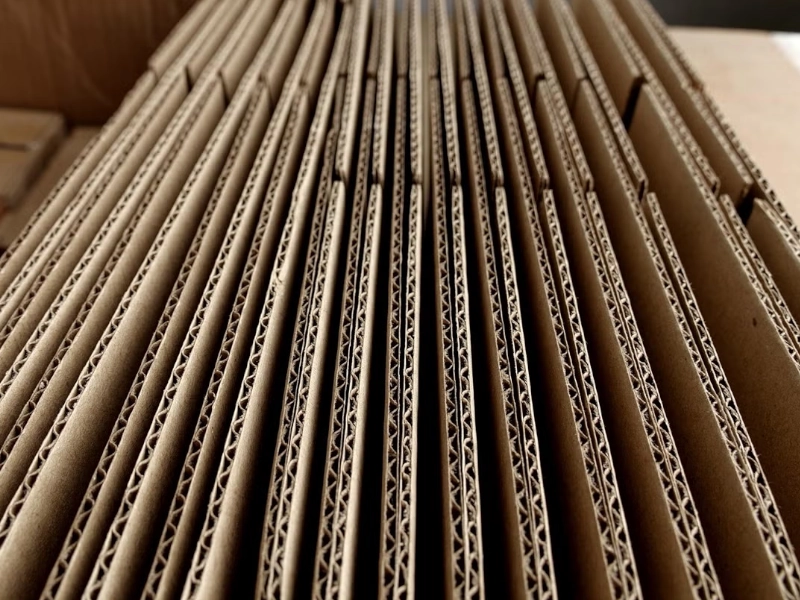
This material has fluted layers between flat sheets. The shocks and strength are reinforced by the flutes.
Corrugated cardboard is better than flat boards in terms of pressure.
This one is usually applied in the transportation and storage of heavier objects.
Every cardboard material has its distinct use. This option is determined by the weight and usage requirements.
The Structure of Cardboard Sheets
These are made using layered paper construction. Flat outer liners provide surface strength and stability.
Inner layers add thickness and cushioning. This structure helps spread pressure evenly across the surface.
It also absorbs minor impacts during handling. Manufacturers adjust the number and type of layers based on strength requirements.
The layered design on cardboard sheets allows cardboard to remain lightweight while still offering reliable support for packaging and storage tasks.
Cardboard Walls That Define Strength
Cardboard strength depends on wall construction. Wall types differ by the number of fluted layers inside the material.
Each type supports different weight levels and handling conditions.
Single Wall Cardboard
It has one fluted layer between two liners. It works well for light to medium-weight items.
This type offers basic protection. It is commonly used for everyday packaging where stacking pressure remains low.
Double-Wall Cardboard
This wall type includes two fluted layers. This increases strength and stiffness. It handles heavier loads better.
It also resists crushing during stacking. This type suits shipping items that need extra support during transport.
Triple Wall Cardboard
Triple-wall cardboard contains three fluted layers. It provides high strength and durability.
This type supports heavy loads and rough handling. It is often used for industrial storage and bulk shipping.
Wall selection affects performance. It is a strong material and safe because it supports cardboard recycling.
This feature allows materials to be reused and reduces environmental impact. Choosing the right wall type improves safety and reduces damage risks.
Common Uses of Cardboard
Cardboard appears in many everyday applications.
Shipping and transport packaging
Retail and product boxes
Food and beverage containers
Storage and organization solutions
Inserts, dividers, and padding
These uses show how cardboard supports protection and structure.
Its simple design allows it to fit different needs. Cardboard remains useful because it is easy to handle and adapt.
Cardboard vs Other Packaging Materials
Cardboard differs from other packaging materials in several ways.
It is lightweight and easy to carry
Plastic resists moisture but bends easily
Metal is strong but heavy and costly
Wood supports weight but adds bulk
Each material has advantages and limits. Cardboard offers a balanced option for many uses.
It combines strength, flexibility, and efficiency without adding unnecessary weight.
Strength and Durability of Cardboard
It provides reliable strength for its weight. The layered structure helps distribute pressure evenly.
Fluted layers absorb shock during movement. The thickness and type of wall, as well as conditions of handling, are the determinants of durability.
Stacking is enhanced by proper design. Statistics on moisture weakening of fibers show that damage can be minimized by careful storage.
Cardboard is effective in controlled conditions, whereby it is handled dry.
Flexible and Customizable
Cardboard is easy to modify and shape. This makes it suitable for different packaging designs and functional needs.
Die Cutting
Die cutting allows precise shapes and openings. It helps create custom sizes and styles.
This technique works well for cardboard boxes that need accurate folding and fitting. It ensures consistent results during large production runs.
Printing
Printing adds text, patterns, and symbols to cardboard surfaces. It supports clear information display.
The surface accepts ink easily. This method helps with labeling, instructions, and basic design without affecting material strength.
Finishes
There are different options, and the most commonly used are emboss and deboss.
They add allure and attraction to the packaging. Embossing raises designs on the surface.
Embossing brings out the design on the surface. They are pressed inwards using debossers.
These methods bring out texture and details. They enhance the handle and surface characteristics without additional materials.
Coating and Lamination
They provide protection to the surface. Wear resistance is enhanced by lamination.
These are techniques that assist in diminishing surface damage. They also enhance the handling and storage durability.
Through these forms of customization, the cardboard is able to adjust to various practical needs.
Conclusion
Cardboard is a ply-based paper that is utilized to protect and store. It is strong, flexible, and easy to handle.
All these attributes justify its popularity. The daily use of cardboard demonstrates how simple materials can be utilized in the case of pragmatic requirements.
The cardboard is also dependable as it can be used in various ways, as it is still light and easy to handle.
Rapid changes are witnessed in the food packaging market in 2026.
High oil prices, increased energy cost, logistics issues, and environmental regulations have an impact on packaging material cost worldwide.
At present, several firms are looking for economical packaging material for cost management purposes.
Food packaging raw materials cost trends 2026 will reveal how firms adjust their packaging strategies while ensuring product safety and attractiveness for customers.
Understanding Food Packaging Raw Materials Cost Trends 2026
Several global factors have affected the trends associated with the food packaging raw material costs in 2026.
Higher pricing for plastic resins, paper pulp, aluminum, adhesives, and ink for printing is observed within this industry.
Moreover, increased costs for transportation and energy contribute to the growth of packaging production costs.
At present, food companies are changing their packaging designs and materials as a way of decreasing their expenditures.
Light and recyclable packaging material is preferred by companies for such purposes.
Rising Plastic Resin Prices
Plastic remains one of the most used materials in food packaging. PET, PP, and PE plastics are commonly used for bottles, trays, pouches, and containers.
In 2026, plastic resin prices continue to rise because of oil market instability and supply shortages.
Many manufacturers report sudden price changes in plastic sheets and films. Resin costs now make up a large part of packaging expenses.
Food companies using thermoformed packaging are especially affected by these price increases.
Higher Paper and Cardboard Costs
Paper packaging is becoming more popular because of sustainability goals.
However, paper and cardboard prices are also increasing in 2026. Shortages in pulp supply and higher freight charges are pushing costs upward.
Several industries are now facing challenges due to rising kraft paper prices.
Corrugated packaging and paperboard containers used in food packaging are becoming more expensive for manufacturers and retailers.
Main reasons behind paper cost increases:
Rising pulp prices
Energy and fuel inflation
Supply chain disruptions
Export restrictions in some countries
Higher recycling processing costs
These issues are forcing businesses to rethink their packaging budgets.
Sustainability Regulations Affecting Costs
Governments worldwide are introducing stricter packaging rules. Many countries now require recyclable, reusable, or compostable packaging materials.
While these changes help the environment, they also increase production costs for businesses.
Companies must now pay for testing, certifications, and compliance systems.
Sustainable packaging materials often cost more than traditional materials.
Still, brands continue investing in eco-friendly packaging because customers expect responsible business practices.
Lightweight Packaging Becoming More Popular
Food brands are reducing packaging weight to save money and lower transportation costs.
Lightweight packaging uses less material while still protecting products during shipping and storage.
Benefits of lightweight packaging include:
Lower raw material usage
Reduced shipping expenses
Lower carbon emissions
Easier product handling
Better storage efficiency
Many companies are now replacing heavy rigid packaging with flexible pouches and thin plastic films.
Flexible Packaging Demand Continues Growing
Flexible packaging remains one of the fastest-growing segments in the food industry.
Pouches, wraps, and bags require less material than rigid containers. This helps businesses lower costs and improve efficiency.
Rapid changes are witnessed in the food packaging market in 2026. High oil prices, increased energy cost, logistics issues, and environmental regulations have an impact on packaging material cost worldwide.
At present, several firms are looking for economical packaging material for cost management purposes.
Food packaging raw materials cost trends 2026 will reveal how firms adjust their packaging strategies while ensuring product safety and attractiveness for customers.
Understanding Food Packaging Raw Materials Cost Trends 2026
Several global factors have affected the trends associated with the food packaging raw material costs in 2026.
Higher pricing for plastic resins, paper pulp, aluminum, adhesives, and ink for printing is observed within this industry.
Moreover, increased costs for transportation and energy contribute to the growth of packaging production costs.
At present, food companies are changing their packaging designs and materials as a way of decreasing their expenditures.
Light and recyclable packaging material is preferred by companies for such purposes.
Rising Plastic Resin Prices
Plastic remains one of the most used materials in food packaging. PET, PP, and PE plastics are commonly used for bottles, trays, pouches, and containers.
In 2026, plastic resin prices continue to rise because of oil market instability and supply shortages.
Many manufacturers report sudden price changes in plastic sheets and films.
Resin costs now make up a large part of packaging expenses. Food companies using thermoformed packaging are especially affected by these price increases.
Higher Paper and Cardboard Costs
Paper packaging is becoming more popular because of sustainability goals.
However, paper and cardboard prices are also increasing in 2026. Shortages in pulp supply and higher freight charges are pushing costs upward.
Several industries are now facing challenges due to rising kraft paper prices.
Corrugated packaging and paperboard containers used in food packaging are becoming more expensive for manufacturers and retailers.
Main reasons behind paper cost increases:
Rising pulp prices
Energy and fuel inflation
Supply chain disruptions
Export restrictions in some countries
Higher recycling processing costs
These issues are forcing businesses to rethink their packaging budgets.
Sustainability Regulations Affecting Costs
Governments worldwide are introducing stricter packaging rules. Many countries now require recyclable, reusable, or compostable packaging materials.
While these changes help the environment, they also increase production costs for businesses.
Companies must now pay for testing, certifications, and compliance systems. Sustainable packaging materials often cost more than traditional materials.
Still, brands continue investing in eco-friendly packaging because customers expect responsible business practices.
Lightweight Packaging Becoming More Popular
Food brands are reducing packaging weight to save money and lower transportation costs.
Lightweight packaging uses less material while still protecting products during shipping and storage.
Benefits of lightweight packaging include:
Lower raw material usage
Reduced shipping expenses
Lower carbon emissions
Easier product handling
Better storage efficiency
Many companies are now replacing heavy rigid packaging with flexible pouches and thin plastic films.
Flexible Packaging Demand Continues Growing
Flexible packaging remains one of the fastest-growing segments in the food industry.
Pouches, wraps, and bags require less material than rigid containers. This helps businesses lower costs and improve efficiency.
Flexible packaging is widely used for:
Frozen foods
Snacks and chips
Dairy products
Ready-to-eat meals
Pet foods
This trend is strongly connected to current trends in packaged snack foods because snack brands prefer lightweight and affordable packaging solutions that extend shelf life.
Smart Packaging Technologies
Technology is changing food packaging systems. Smart packaging now helps companies improve product safety and reduce waste.
QR codes, freshness indicators, and tracking systems are becoming more common.
Smart packaging can help businesses:
Monitor food freshness
Improve inventory control
Reduce food waste
Provide recycling information
Improve customer engagement
Although smart packaging increases initial costs, many companies believe it improves long-term efficiency and customer trust.
Impact of Energy and Transportation Costs
Energy prices are a major factor affecting packaging costs in 2026. Manufacturing packaging materials requires large amounts of electricity and fuel.
Rising transportation costs also increase shipping expenses for raw materials and finished products.
Global conflicts and supply chain disruptions are making fuel prices unstable.
These changes directly affect food packaging production and delivery systems worldwide.
Table Showing Major Packaging Material Cost Drivers in 2026
Packaging Material
Main Cost Driver
Industry Impact
Plastic Resin
Oil price fluctuations
Higher bottle and pouch costs
Kraft Paper
Pulp shortages
Expensive corrugated packaging
Aluminum
Energy inflation
Increased can production costs
Printing Inks
Chemical supply issues
Higher labeling expenses
Adhesives
Petrochemical price rise
Costly flexible packaging
Consumer Demand Influencing Packaging Choices
Customer buying behavior is also changing packaging trends. Many consumers now want affordable products with sustainable packaging.
Businesses must balance cost control with eco-friendly packaging designs.
The rise of private-label products is also pushing companies to reduce packaging expenses.
Budget-conscious shoppers prefer lower-cost food products, which forces manufacturers to optimize packaging materials and production methods.
This shift is closely linked to current trends in food packaging, where brands focus on affordability, recyclability, and simple packaging designs.
Emerging Trends in Sustainable Packaging
Many companies are investing in new packaging materials to reduce long-term costs and environmental impact.
Research into recyclable polymers and biodegradable plastics is increasing in 2026.
Some important emerging trends in food packaging include:
Compostable food containers
Mono-material flexible packaging
Water-based printing inks
Reusable packaging systems
Chemically recyclable plastics
Artificial intelligence is also helping companies design smarter and more sustainable packaging materials.
Food and Drinks Packaging Industry Trends in 2026
The global packaging market is moving toward automation and digital systems.
Companies now use advanced software to improve production planning and reduce material waste.
Several important food & drinks packaging industry trends are shaping the market:
Increased use of recyclable materials
Automation in packaging production
Growth of flexible packaging
Minimalist packaging designs
Better supply chain tracking systems
Businesses are also reducing excess packaging to save costs and meet sustainability targets.
Supply Chain Challenges Continue
Supply chain problems remain a major concern in 2026. Delays in shipping, labor shortages, and geopolitical tensions are making raw material sourcing more difficult.
Many businesses now buy packaging materials from multiple suppliers to reduce risks.
Some companies are also moving production closer to local markets to avoid transportation delays and import costs.
Supply chain flexibility is becoming very important for food packaging manufacturers worldwide.
Future Outlook for Food Packaging Costs
The cost of raw materials could still be volatile for a number of years in the future, as oil prices, regulations, and worldwide economic factors will all continue to influence packaging costs.
Yet, innovations could bring down long-term costs. An increased use of recyclable materials, lighter packaging, and improved production processes should contribute to better profit margins.
Companies that embrace sustainable packaging solutions at an early stage would likely have competitive advantages in the future.
Conclusion
The report entitled food packaging raw materials cost trends 2026 reveals the current trends that influence the pricing of raw materials in the food packaging industry.
An increase in the price of plastic resin, paperboard, and transport costs forces companies to look for cheaper packaging alternatives.
Delicate and fragile items need proper care and safe packaging. There are strict laws that businesses have to adhere to when packaging substances like chemicals, batteries, and pharmaceuticals.
The approved packing material for fully regulated items is are chosen based on factors like security, prevention of leaks, and transportation.
Some materials are specifically designed to provide protection against high temperatures, physical stress, and breakage.
Other materials can help absorb any liquid spillages. Proper selection of the packaging material ensures that everyone involved remains safe.
Understanding Fully Regulated Items
Products considered fully regulated refer to those governed by transport and safety regulations.
This is because these products are considered dangerous when shipped in the wrong packaging.
Such products include chemicals, lithium batteries, flammable liquids, and medical products.
These products should be packaged using strong and proven packaging material.
Packing should ensure prevention from leakage, shocks, and any possible fire hazards.
Both the government and transport organization make laws governing safe shipping procedures.
Some of these laws include:
Packaging to avoid any form of leakage
Products that cannot catch fire
Strong packaging to withstand any shock
Correct labeling and sealing
Absorbent packaging materials
Why Packaging Materials Matter
Packaging materials play a major role in safe transportation. Dangerous goods can become harmful if containers break or leak.
The right material lowers these risks and keeps shipments stable during movement.
Strong packaging also protects products from temperature changes and moisture.
Some materials prevent chemical reactions. Others reduce damage caused by vibration and impacts during transit.
Good packaging provides:
Better product protection
Safe handling during shipping
Compliance with transport regulations
Reduced risk of accidents
Lower product loss and damage
Businesses should always select packaging materials according to the type of regulated product being shipped.
Vermiculite: The Preferred Packaging Material
When discussing hazardous material packaging, vermiculite is often considered the safest choice.
In many shipping situations, the approved packing material for fully regulated items is vermiculite because of its absorbent and fire-resistant properties.
Vermiculite is a natural mineral with a lightweight structure. It expands when heated and becomes soft and absorbent.
This makes it useful for packaging dangerous or fragile products.
Properties and Uses of Vermiculite
Vermiculite works well for hazardous shipments because it absorbs liquid spills and cushions products during transport.
It fills empty spaces inside boxes and keeps products from moving.
It is widely used for:
Chemical packaging
Pharmaceutical shipments
Lithium battery transport
Flammable liquid packaging
Leak-sensitive products
This material is also clean and easy to handle. Many companies use it inside drums, cartons, and leakproof containers for extra safety.
Advantages of Vermiculite
Vermiculite offers several important benefits for regulated shipments.
Its protective qualities help businesses follow transportation laws and reduce shipping risks.
Excellent Liquid Absorption
Vermiculite absorbs liquids quickly. This helps control leaks from hazardous substances.
It prevents dangerous liquids from spreading during transport.
Strong Cushioning Ability
Its soft structure protects delicate products from shocks and impacts. Fragile items stay stable even during rough handling.
Fire Resistance
Vermiculite naturally resists heat and fire. This makes it suitable for packaging flammable goods and lithium batteries.
Regulatory Compliance
Many transport authorities recommend absorbent materials like vermiculite.
It supports compliance with shipping standards created by organizations such as the US DOT and IATA.
According to IATA Packaging Instruction 350, inner containers should include enough absorbent material to absorb liquid contents if leakage occurs. Vermiculite meets this requirement effectively.
Applications of Vermiculite
Vermiculite is used across many industries because of its safety benefits. It is commonly added around containers to improve shipment protection.
Industries using vermiculite include:
Pharmaceutical companies
Chemical manufacturers
Battery suppliers
Laboratory equipment businesses
Hazardous goods transport services
Many businesses combine vermiculite with rigid outer boxes or drums for maximum protection.
Bubble Wrap: Common but Limited
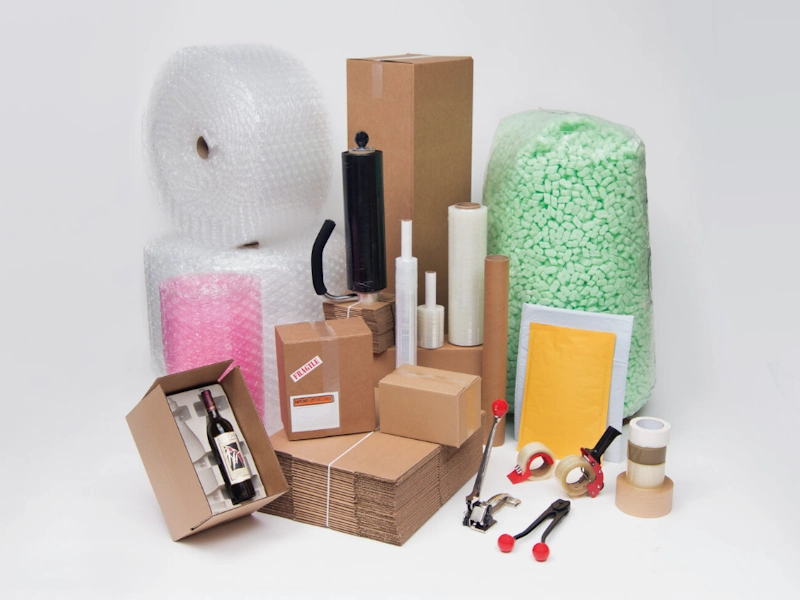
Bubble wrap is a popular packaging material used for general shipping needs. It contains air-filled bubbles that reduce damage from impacts and vibration.
Although useful for regular products, it is not ideal for dangerous goods packaging.
Bubble wrap works best for products needing soft padding during delivery. However, it lacks important safety features required for fully regulated items.
Advantages of Bubble Wrap
Bubble wrap remains useful for non-hazardous shipments because it is lightweight and flexible.
Good Shock Protection: The air bubbles help absorb impacts and reduce breakage during transportation.
Easy to Use: Bubble wrap can be cut into different sizes and shapes. This makes packaging faster and more convenient.
Lightweight Material: Its low weight helps reduce shipping costs for businesses.
Disadvantages of Bubble Wrap
Despite its benefits, bubble wrap cannot meet many hazardous packaging requirements.
No Absorbent Properties: Bubble wrap cannot absorb leaking liquids. Hazardous spills can spread easily if a container breaks.
Weak Regulatory Support: Transport agencies usually do not approve bubble wrap as the main packaging material for dangerous goods.
Limited Fire Protection: Bubble wrap is plastic-based and may melt or burn when exposed to heat.
Applications of Bubble Wrap
Bubble wrap is suitable for ordinary products that need extra padding during shipping.
It is commonly used for:
Electronics
Glassware
Decorative items
Household products
Office supplies
Many companies also use bubble wrap alongside stronger packaging materials for added protection.
Apparel Plastic: Not Suitable for Hazardous Goods
Apparel plastic is commonly used for clothing and textile packaging.
It protects garments from dust and moisture during storage and shipping. However, it is not designed for dangerous or fully regulated items.
This material is thin and flexible. It cannot protect products from impacts, leaks, or chemical exposure.
Advantages of Apparel Plastic
Although unsuitable for hazardous goods, apparel plastic still has benefits for regular packaging needs.
Moisture Protection: It helps keep clothing clean and dry during transportation.
Affordable Packaging Option: Apparel plastic is inexpensive and widely available.
Lightweight Design: Its light structure reduces shipping weight and packaging costs.
Disadvantages of Apparel Plastic
This material fails to meet important safety standards for regulated goods.
Weak Product Protection: It does not provide strong cushioning or leak resistance.
Apparel plastic works best for products that only need dust and moisture protection.
These include:
Clothing items
Textile products
Fabric accessories
Fashion garments
Retail apparel packaging
It should never be used as the primary packaging material for hazardous shipments.
Importance of Following Packaging Regulations
Transport rules exist to protect workers, customers, and the environment. Dangerous goods can cause fires, injuries, and contamination if packed incorrectly.
Businesses should always review shipping guidelines before selecting packaging materials. Using approved materials improves safety and reduces legal risks.
Important factors businesses should consider include:
Product type
Leak risks
Fire hazards
Transport method
Packaging strength
International shipping laws
Companies that follow regulations build trust and avoid shipment delays or penalties.
Conclusion
Safe transportation starts with proper packaging choices. Hazardous products need materials that prevent leaks, absorb impacts, and resist fire.
In many shipping situations, the approved packing material for fully regulated items is vermiculite because it provides absorption, cushioning, and regulatory compliance.
Businesses must understand packaging requirements before shipping regulated items.
Using the right materials improves safety, supports compliance, and protects products during transportation.