Category: Sustainable Packaging

  • Aveda Launches Refillable Packaging in the U.S.

    Aveda Launches Refillable Packaging in the U.S.

    Aveda Announces New Refillable Packaging Innovation in the United States

    According to Refillable Packaging News, Aveda is a major beauty company, and it has introduced a new refillable packaging innovation in collaboration with AeroFlexx.

    This is an innovation that aims to ensure that the level of waste is minimized, the environment is safeguarded, and beauty products are made more sustainable.

    The new refillable containers are very easy to operate and can be refilled several times.

    This saves the use of single-use bottles and encourages customers to make environmentally friendly decisions.

    The project is a significant move towards sustainable packaging within the American beauty industry.

    The refillable packaging has bottles, jars, and other containers designed with special features that can be easily refilled. The materials are safe, strong, and recyclable.

    Customers are able to refill their products at home and stores. This method will reduce plastic waste and will help with circular economy ideals.

    Through such refill systems, Aveda assists the consumer in minimizing his or her ecological footprint.

    Consumers are increasingly conscious about the issues that plastic waste poses.

    There is a desire by many individuals to have products that are reusable and sustainable.

    Refillable packaging will enable them to get the same high-quality products and take care of the planet.

    It also assists brands in complying with new policies in the US, which restrict the single-use of plastics.

    The new standards that Aveda intends to fulfill with its refillable system are aimed at providing customers with a useful solution.

    It is a program of beauty products that are in the form of shampoos, conditioners, and skincare.

    The bottles and jars will be designed in such a way that they retain the quality and safety of the product despite the various refills. Its lids and closures are sturdy and leak-free.

    The materials are well selected to be recyclable and environmentally friendly.

    Aveda is also collaborating with retailers to establish refill points in the stores.

    Customers are able to refill their containers at their convenience and safely.

    This helps in minimizing new wrappings and helps in using the wrappings repeatedly.

    The refill stations are user-friendly and made in a way that the process of refilling is easy for all.

    Sustainability experts applaud this move. Refillable packaging is said to be the quickest method for brands to minimize waste.

    It also promotes consumer demand for user-friendly products. Aveda, through the introduction of this program, is leading other firms in the beauty and personal care industries.

    The United States is likely to see growth in its refillable packaging program in the coming few years. Customers will be able to choose to refill products more and use less plastic at home.

    The program is in line with the mission of Aveda in supporting environmental responsibility and sustainable practices.

    It also builds the image of the brand as an environmentally friendly beauty solution leader.

    Refillable packaging is convenient and saves money, in addition to providing environmental benefits.

    Being able to purchase refills at a reduced cost as compared to new products allows customers to purchase them.

    It conserves storage space and packaging materials, which saves energy and resources.

    These advantages can also be emphasized by the brands to capture the attention of eco-minded consumers.

    The Aveda refillable packaging project is a good example of how businesses can make sustainability and practicality coexist.

    It offers customers a very easy but efficient measure to engage in waste minimization.

    Jars and refillable bottles provide the opportunity to use the product more than once, which reduces the need to buy new containers made of plastic.

    The firm will extend this program to the whole country. More refillable product lines and refill stations will be provided.

    Aveda has set up programs to assist customers in being sustainable in their daily activities.

    The campaign is a move in a wider agenda to make the beauty industry less harmful to the environment.

    With the increased popularity of refillable packaging, the U.S. market will experience a high level of growth.

    Consumers are now prepared to buy sustainable alternatives, and brands are coming up with alternative solutions.

    Programs such as Aveda’s simplify the process of people doing their bit and contributing to sustainability in their everyday lives.

    This innovation demonstrates that not only is it possible but also practical to use refillable packaging.

    It ensures the quality of the products, consumer satisfaction, and minimization of environmental degradation.

    The program offered by Aveda is a bright illustration of how a business can be at the front line and promote more eco-friendly habits in the beauty business.

    The company will keep looking into alternative methods of making packaging more sustainable.

    Plans can include more refillable products, an increased number of refill stations, and a partnership with other environmentally conscious partners.

    The mission is to ensure that sustainable beauty is made affordable, convenient, and effective for every customer.

    As per Refillable Packaging News, Aveda invites consumers to participate in the trend of refillable packaging.

    Selecting refills will allow individuals to minimize waste, conserve resources, and protect the planet.

    The program shows that a significant change in the environment can be made by simple changes in packaging.
  • Biggest Sustainability Trends in Plastic Packaging 2024

    Biggest Sustainability Trends in Plastic Packaging 2024

    There are numerous changes in plastic packaging. In this regard, companies aim to reduce waste generation and minimize negative impacts on the environment.

    Customers prefer eco-friendly, safe, and simple packaging. As a result, brands tend to introduce new sustainable solutions when developing their packaging designs.

    The biggest sustainability trends in plastic packaging 2024 show how businesses are improving packaging while keeping products safe and attractive.

    Why Sustainability Matters in Plastic Packaging?

    The reasons for the biggest sustainability trends in plastic packaging 2024 are associated with environmental challenges and demands from customers.

    Today, most countries have stringent laws on waste generation. Consequently, businesses need to find ways of decreasing their negative impact on the environment.

    The significance of plastic packaging remains high since it is responsible for protecting different products, including food and pharmaceutical products.

    At the same time, businesses need to implement sustainable practices into their operations.

    Rise of Recyclable Plastic Packaging

    One major trend in 2024 is recyclable packaging. Many brands now design packaging that can easily go through recycling systems. This reduces landfill waste and supports a circular economy.

    Recyclable plastic packaging offers several benefits:

    • Reduces environmental pollution 
    • Saves raw materials 
    • Supports waste management systems 
    • Improves brand reputation 
    • Encourages responsible consumer behavior 

    Many companies now avoid mixed materials because they are difficult to recycle.

    Instead, they use single-material plastic packaging that recycling centers can process more easily.

    Growth of Biodegradable Plastics

    Biodegradable plastics are becoming more popular in many industries.

    These materials break down faster than traditional plastics under specific conditions.

    Companies use them to reduce long-term environmental impact.

    Industries using biodegradable packaging include:

    • Food and beverage 
    • Cosmetics 
    • Healthcare 
    • Retail packaging 
    • Personal care products 

    Some biodegradable plastics are made from natural sources like corn starch or sugarcane.

    These materials help reduce dependence on fossil fuels.

    However, businesses still need proper disposal systems to ensure effective breakdown.

    Increase in Recycled Plastic Content

    Brands are adding more recycled plastic into packaging production.

    This trend helps lower the use of virgin plastic and supports recycling industries.

    Recycled plastic is now used in bottles, containers, bags, and shipping materials.

    Many governments also encourage the use of recycled content through new regulations.

    Businesses that use recycled materials can lower carbon emissions and reduce waste.

    Here is a simple table showing common sustainable plastic solutions in 2024:

    Sustainable SolutionMain BenefitCommon Industries
    Recyclable PlasticsEasier waste managementFood and beverage
    Biodegradable PlasticsReduced long-term pollutionRetail and cosmetics
    Recycled Plastic ContentLess virgin plastic useConsumer goods
    Lightweight PackagingLower shipping emissionsE-commerce
    Reusable PackagingReduced packaging wasteRetail and logistics

    Lightweight Plastic Packaging

    Lightweight packaging is another important trend. Companies now design thinner and lighter packaging materials while keeping products protected. This reduces transportation costs and lowers fuel consumption.

    Lightweight packaging provides many advantages:

    • Lower shipping costs 
    • Reduced carbon emissions 
    • Less material usage 
    • Easier product handling 
    • Improved supply chain efficiency 

    Many food and beverage companies now use lightweight bottles and flexible packaging.

    This approach helps businesses save money while reducing environmental impact.

    Expansion of Reusable Packaging Systems

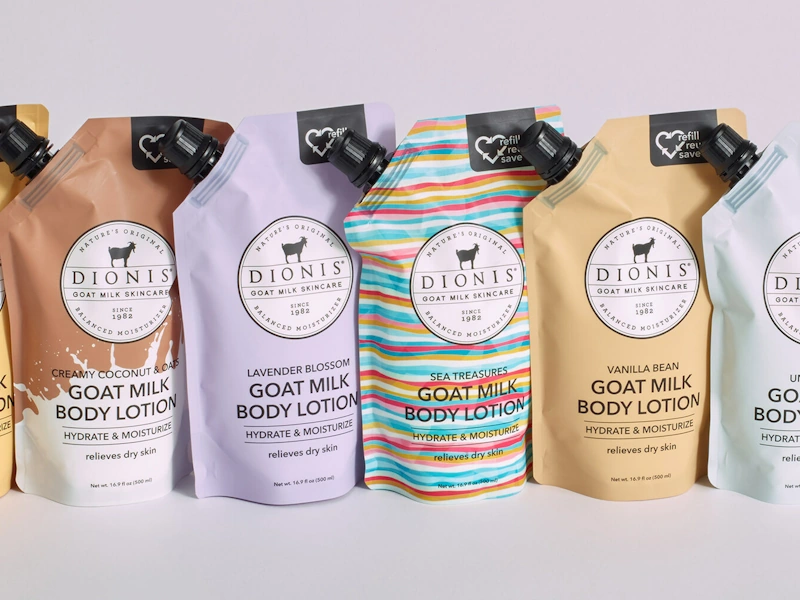
    Reusable packaging systems are growing in popularity. Some companies now offer refillable containers and returnable packaging programs.

    Customers can reuse the same packaging multiple times instead of throwing it away.

    This system is common in:

    • Grocery stores 
    • Beauty products 
    • Cleaning supplies 
    • Beverage packaging 

    Reusable packaging reduces waste and encourages sustainable habits.

    Although the setup cost may be higher, businesses can save money over time through repeated use.

    Smart Packaging for Sustainability

    Technology is also improving sustainable packaging. Smart packaging helps businesses reduce waste and improve product tracking.

    Some packaging now includes QR codes or sensors that provide product information.

    Smart packaging can help companies:

    • Monitor product freshness 
    • Reduce food waste 
    • Improve inventory management 
    • Increase recycling awareness 

    For example, QR codes may guide customers on proper recycling methods.

    This improves recycling rates and helps reduce contamination in recycling systems.

    Eco-Friendly Printing and Inks

    Packaging printing methods are becoming more environmentally friendly.

    Many companies now use water-based or soy-based inks instead of harmful chemical inks.

    These safer options reduce pollution during the printing process.

    Eco-friendly printing also supports recyclable packaging because some traditional inks make recycling more difficult.

    Sustainable printing methods improve both packaging quality and environmental performance.

    Brands also prefer minimal printing designs. Simple packaging designs use less ink and create a cleaner appearance.

    Flexible Packaging Solutions

    Flexible plastic packaging continues to grow in 2024. Flexible packaging includes pouches, wraps, and lightweight bags. These materials use less plastic compared to rigid containers.

    Benefits of flexible packaging include:

    • Lower material usage 
    • Reduced transportation weight 
    • Better storage efficiency 
    • Longer product shelf life 
    • Lower production costs 

    Flexible packaging is widely used in snacks, frozen foods, pet products, and personal care items.

    Many businesses now develop recyclable flexible packaging to make it more sustainable.

    Government Regulations and Industry Goals

    Governments worldwide are introducing stricter packaging regulations.

    Many countries now require companies to reduce plastic waste and improve recycling systems. Businesses that fail to follow these rules may face penalties.

    Common sustainability goals include:

    • Reducing single-use plastics 
    • Increasing recycling rates 
    • Using more recycled materials 
    • Cutting carbon emissions 
    • Supporting circular economy systems 

    Large companies are also setting their own sustainability targets for 2025 and beyond.

    Consumer Demand for Sustainable Packaging

    Customers play a major role in packaging trends. People now pay more attention to how products are packaged. Many consumers prefer brands that use eco-friendly packaging solutions.

    Younger buyers especially support sustainable businesses. They often choose products with recyclable or reusable packaging even if prices are slightly higher.

    Social media also increases awareness about plastic pollution. Because of this, businesses must improve packaging practices to meet customer expectations and maintain a positive reputation.

    Challenges in Sustainable Plastic Packaging

    Although sustainability trends are growing, companies still face challenges.

    Eco-friendly materials can sometimes cost more than traditional plastics. Recycling systems also vary between countries and cities.

    Some common challenges include:

    • High production costs 
    • Limited recycling infrastructure 
    • Consumer confusion about recycling 
    • Material performance concerns 
    • Supply chain adjustments 

    Despite these issues, businesses continue investing in better packaging solutions.

    Technology and innovation are helping reduce costs and improve sustainability performance.

    Future of Sustainable Plastic Packaging

    The outlook for the future concerning plastic packaging seems to be more sustainable than ever before.

    Organizations will continue developing innovative methods to help minimize wastage without affecting product safety and convenience.

    Artificial Intelligence, together with sophisticated recycling technologies, could revolutionize waste management.

    Early adoption of sustainable methods would give organizations an edge over competitors in the marketplace.

    With time, as industrialization develops, sustainable packaging is expected to become mandatory in most industries.

    Conclusion

    In summary, the biggest sustainability trends in plastic packaging 2024 reveal that there is currently an increasing move towards eco-friendly packaging techniques.

    Organizations are increasingly incorporating sustainability in their packaging by applying recyclable materials, biodegradable plastics, lightweight packaging, and reusable packaging.

    Both governments and consumers encourage the use of sustainable packaging in organizations.

  • McDonald’s Taiwan Packaging Changes

    McDonald’s Taiwan Packaging Changes

    McDonald’s Taiwan Introduces Sustainable Packaging Initiative Across Restaurants

    Mcdonald’s taiwan packaging changes create a new standard in sustainability.

    Several sustainable packaging solutions have been implemented at McDonald’s restaurant.

    The process started in July 2025 and is continually spreading on a national scale.

    Mcdonald’s Taiwan decided to get rid of plastic laminations in some types of packaging.

    Moreover, paperboard boxes were replaced by paper wraps and paper bags for some products on the menu.

    This decision is made under the influence of growing ecological awareness in society and business.

    Fast food corporations are making efforts to implement sustainable packaging options. Mcdonald’s Taiwan is following this trend through innovative packaging.

    Now many of the popular products are sold in the new type of packaging.

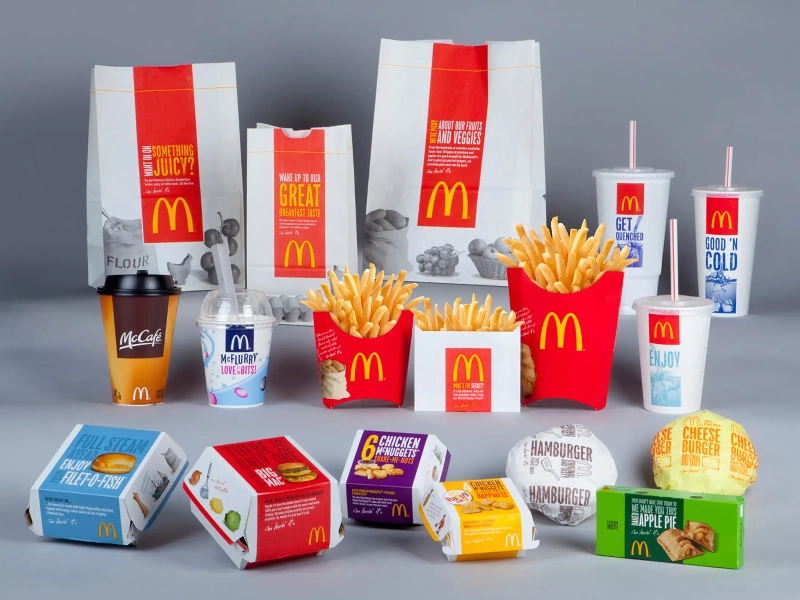
    Such items as Big Mac are now available in new paper wraps. Chicken McNuggets are sold in paper wraps and not in traditional boxes anymore.

    Filet-O-Fish sandwiches are now packed in special wraps that ensure their protection. Also, the Apple Pie packaging was changed.

    Company representatives stated that these changes support long-term environmental goals. The organization expects measurable benefits from the transition. One major benefit involves reducing the use of natural resources.

    According to company estimates, the new packaging could save approximately 10,000 trees annually.

    The elimination of plastic lamination may also reduce plastic consumption significantly.

    Company projections indicate a reduction of about 86 tons yearly.

    These environmental improvements represent a major milestone for McDonald’s Taiwan.

    The company continues evaluating opportunities to lower waste generation. Sustainable packaging remains a key part of those efforts.

    The transition required extensive research and development. Each menu item presented unique packaging challenges. Product quality remained a top priority throughout the process.

    For example, the Filet-O-Fish sandwich required special consideration.

    Its steamed bun behaves differently from traditional burger buns. Standard wrapping methods could affect product quality.

    Engineers and packaging specialists developed breathable paper solutions.

    These materials allow moisture control during storage and handling.

    The wraps also provide grease resistance while maintaining freshness.

    The company invested considerable effort into testing packaging performance.

    Multiple trials helped identify suitable material combinations. The final design balanced functionality and sustainability.

    The Big Mac also received special attention during development. McDonald’s Taiwan examined successful packaging programs in other markets.

    Teams studied approaches used in France and South Korea.

    Lessons from those markets guided local packaging improvements.

    Numerous design trials followed before final approval. The company wanted to maintain the product’s familiar presentation.

    Customer convenience also remained important throughout development.

    Packaging needed to support easy handling and consumption. Restaurant staff required efficient wrapping methods as well.

    Company representatives emphasized the importance of balancing environmental goals and customer satisfaction.

    They noted that sustainability should not compromise product quality. Maintaining a positive dining experience remained essential.

    Another important improvement involves grease-resistant packaging materials.

    Traditional plastic lamination previously supported grease protection. However, it reduced recyclability.

    McDonald’s Taiwan replaced plastic layers with alternative materials.

    Natural starch and silicon-based coatings now perform similar functions.

    These solutions maintain product protection without creating recycling challenges.

    The new materials offer several advantages. They resist oils and moisture effectively. They also support better environmental outcomes.

    Packaging engineers carefully evaluated each material before implementation.

    Performance testing ensured products remained protected during service.

    The company sought reliable alternatives without sacrificing functionality.

    The sustainability initiative extends beyond food packaging. McDonald’s Taiwan also introduced reusable drinkware options.

    More than 200 restaurants now offer reusable polypropylene cups.

    These cups support dine-in customers across participating locations.

    They are free from BPA and plasticizers. Safety and durability remained key design priorities.

    The cups tolerate temperatures ranging from negative five degrees Celsius.

    They also withstand temperatures reaching 110 degrees Celsius. This flexibility supports various beverage applications.

    Strict cleaning procedures ensure customer safety. Employees perform manual rinsing after collection.

    Machine washing should be followed by using food-safe cleaning solutions.

    Wash temperatures typically range between 80 and 85 degrees Celsius.

    These procedures help maintain cleanliness and hygiene standards. Regular inspections support quality assurance efforts.

    The reusable cup program reflects broader sustainability objectives.

    Reusable products reduce dependence on single-use packaging. They also help lower long-term material consumption.

    McDonald’s Taiwan began testing these packaging concepts before nationwide implementation.

    The company launched pilot programs in October 2024. Initial testing occurred at two environmentally focused concept restaurants.

    The pilot phase provided valuable operational feedback. Customer responses helped guide future improvements.

    Packaging teams monitored performance closely during the trial period.

    Following successful results, the program expanded further. Four additional concept locations adopted the packaging by March 2025.

    Continued success supported broader implementation plans.

    The company then prepared for larger deployment efforts. By July 2025, the new packaging had reached a wider audience. Restaurants across Taiwan began adopting the updated formats.

    These actions align with broader corporate sustainability commitments.

    McDonald’s has pursued environmental improvements across international markets. Packaging remains one of several focus areas.

    Company data shows substantial progress globally. By late 2023, most primary packaging materials came from preferred sources. These included renewable, recycled, and certified materials.

    The company reported that 86.7% of primary packaging met these standards.

    Leadership aims to increase that percentage further. The long-term target remains complete conversion.

    McDonald’s plans to use 100% qualifying packaging materials. The goal is scheduled for completion by the end of 2025.

    Additional environmental initiatives continue to support that objective.

    The company is also addressing chemical usage within packaging systems. Efforts include removing added fluorinated compounds.

    These actions support safer and more sustainable packaging solutions.

    Industry experts view Taiwan’s program as a notable development.

    Many businesses continue seeking practical sustainability improvements. Packaging often represents an effective starting point.

    Consumers increasingly value environmentally responsible brands.

    Sustainable packaging can strengthen customer relationships. It also supports corporate environmental commitments.

    McDonald’s Taiwan believes these changes create long-term benefits.

    Reduced material usage lowers environmental impact. Improved recyclability supports waste reduction efforts.

    Company representatives reaffirmed their commitment to sustainability.

    They emphasized the importance of responsible business practices.

    Product quality and customer satisfaction remain central priorities.

    The company stated that environmental improvements will continue.

    Future innovations may further reduce resource consumption. Additional packaging advancements remain under evaluation.

    As consumer expectations evolve, businesses must adapt accordingly.

    Sustainable packaging solutions continue gaining importance worldwide.

    The latest mcdonald’s taiwan packaging changes demonstrate how innovation can support environmental responsibility while maintaining product quality and customer convenience.

  • Pet Food Packaging Market

    Pet Food Packaging Market

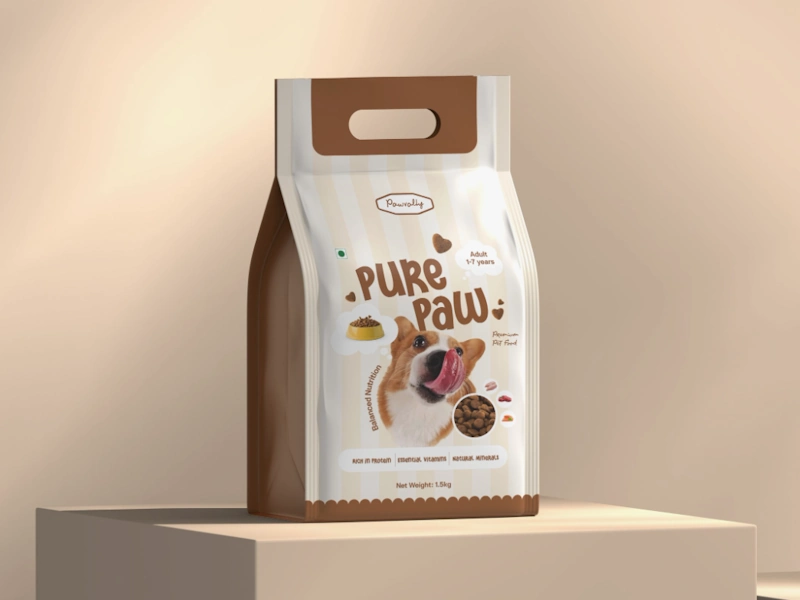
    We all know that pets need fresh and healthy food. But it needs to be stored in the right way. That is why pet food packaging must be safe for long-term storage.

    Food stays fresh and safe when packed in modern pet food packaging solutions.

    The pet food packaging market is growing as brands look for packaging that protects pet food from air and other contaminants.

    These packaging solutions help preserve flavor and nutritional value. They are commonly used for dry pet food and animal feed.

    Strong materials help keep products fresh for longer periods, which makes them a trusted choice for pet food manufacturers and pet owners.

    High Level of Protection Against Air and Moisture

    A major reason companies choose pet food packaging is its ability to block air and moisture.

    This protection helps maintain product quality and freshness. We all know that the UK pet food packaging market is growing because of the offering of these features. 

    Some benefits include:

    • Prevents moisture buildup that can cause mold.

    • Blocks air that can reduce freshness and flavor.

    • Protects products from sunlight exposure.

    • Acts as a barrier against dirt and contaminants.

    These features help keep pet food safe and fresh for extended periods.

    Ideal for Long-Term Storage

    Pet food packaging is an excellent solution for long-term storage. It helps maintain product quality while protecting ingredients from environmental factors.

    The strong sealing system keeps air out and helps prevent spoilage.

    Many manufacturers and pet owners rely on durable packaging to store pet food safely for longer periods without losing freshness.

    Easy to Store and Seal

    Modern pet food packaging is designed for convenience and ease of use.

    Many options include resealable closures, zip locks, or heat-sealable features.

    These packaging solutions make it simple to open, close, and store products whenever needed.

    Their practical design also helps keep storage spaces organized and clutter-free.

    Perfect for Home and Travel

    People appreciate packaging that works well both at home and while traveling.

    Pet food packaging helps organize pet treats, dry food, and supplements efficiently.

    It is lightweight, easy to carry, and takes up minimal storage space.

    This makes it a practical choice for pet owners who travel with their pets or need convenient storage solutions for everyday use.

    Maintains Product Shape

    Quality pet food packaging helps products maintain their original shape and appearance.

    Strong materials prevent damage during handling, shipping, and storage.

    The packaging resists moisture and environmental conditions that could affect product quality.

    Despite being lightweight, it remains durable enough to provide reliable protection throughout the supply chain.

    Reusable and Environmentally Friendly

    Many modern packaging solutions are designed with sustainability in mind.

    Some packaging formats can be reused, helping reduce waste and support environmental goals.

    Benefits include:

    • Reduced packaging waste.

    • Longer packaging lifespan.

    • Lower environmental impact.

    • Support for recycling initiatives.

    Eco-friendly packaging options help brands meet consumer demand for sustainable products while protecting the environment.

    Why Is Pet Food Packaging Reliable?

    Pet food packaging is trusted because it combines durability, protection, and convenience.

    Strong materials help prevent tearing and keep products secure during transportation and storage.

    The clean and professional appearance also enhances brand presentation.

    Reliable packaging gives consumers confidence that the pet food inside remains fresh, safe, and high-quality.

    Smart Packaging for Everyday Use

    Consumers want simple and effective ways to store pet food, and modern packaging delivers exactly that.

    It is practical, easy to handle, and designed to improve user convenience.

    Here are some key advantages:

    • Safe for various pet food products.

    • Easy to open and reseal.

    • Helps maintain organized storage.

    • Supports product freshness.

    These benefits make pet food packaging an important part of daily pet care routines.

    How to Use Pet Food Packaging for Storage

    Proper storage practices help maximize the benefits of pet food packaging.

    Following simple guidelines can help maintain freshness and product quality for longer periods.

    Store in a Cool Area

    Keeping pet food in a cool environment helps protect it from heat-related damage. High temperatures may affect product quality and shorten shelf life.

    Avoid Direct Sunlight

    Direct sunlight can negatively impact pet food and packaging materials. Storing products away from sunlight helps preserve freshness and nutritional value.

    Protect Against Oxidation

    Exposure to air can lead to oxidation, which may reduce product quality over time.

    Germany pet food packaging market​ offers properly sealed packaging that helps minimize this risk and keeps food fresh.

    Keep Products Properly Sealed

    Always reseal packaging after use. Proper sealing helps protect the contents from moisture, contaminants, and air exposure while extending product shelf life.

    Conclusion

    The pet food packaging market continues to grow because pet owners and manufacturers need reliable ways to keep products fresh, safe, and easy to store.

    Modern packaging offers protection against moisture, air, and contamination while supporting convenience and sustainability.

    As packaging technology advances, the pet food packaging market will remain essential for preserving product quality and meeting the needs of today’s pet care industry.

  • Bag-in-Box Containers Market Drives Efficient

    Bag-in-Box Containers Market Drives Efficient

    We can see an immense change in the packaging industry. That is why bag in box containers market is rapidly growing.

    Now, packaging comes in flexible bags that are versatile. For all liquid and beverage items, these are the ultimate options.

    Bags are replacing boxes, and this change in the market influences retail operations and transportation. It influences environmental packaging trends as well.

    What Are Bag in Containers?

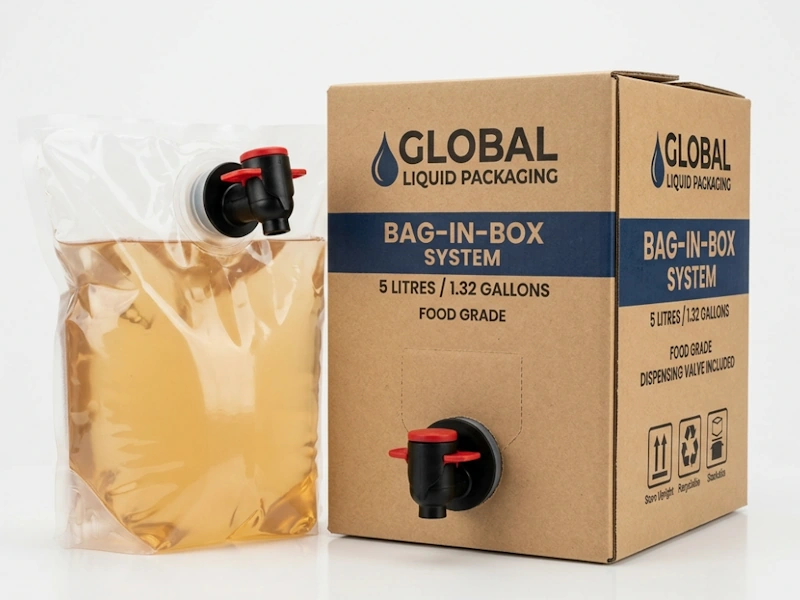
    They combine a durable corrugated box with a flexible inner bag. The bag holds the product while the box provides protection during storage and shipping.

    This packaging system in the box containers market is designed to keep liquids fresh and safe.

    It is commonly used for products such as juices and industrial liquids.

    The design helps reduce product waste and extends shelf life, which makes it attractive to both manufacturers and consumers.

    Growing Demand Across Multiple Industries

    The bag-in-box containers market is expanding because many industries are discovering its advantages.

    Businesses are looking for packaging that reduces costs while improving product protection.

    • Industries using bag-in-box packaging include:
    • Food and beverages
    • Dairy products
    • Wine and spirits
    • Household cleaning products
    • Industrial chemicals
    • Pharmaceutical products

    As demand grows across these sectors, manufacturers continue investing in new technologies and production capabilities.

    Impact on the Food and Beverage Industry

    One of the biggest effects of the bag-in-box containers market can be seen in the food and beverage sector. Companies need packaging that preserves freshness while making transportation easier.

    Bag-in-box systems help protect products from oxygen exposure, which can improve shelf life.

    This is especially important for juices, sauces, syrups, and dairy products.

    The packaging also allows consumers to dispense products easily without contamination.

    For beverage producers, the packaging offers a practical solution that balances product quality and operational efficiency.

    Benefits for Food Manufacturers

    Food companies choose bag-in-box packaging because it provides several advantages:

    • Longer product shelf life
    • Reduced packaging waste
    • Lower transportation costs
    • Better product protection
    • Easy storage and handling

    These benefits help manufacturers improve profitability while meeting consumer expectations.

    Reducing Transportation and Logistics Costs

    Transportation expenses are a major concern for manufacturers. Traditional rigid containers often take up more space and add extra weight during shipping.

    Bag-in-box containers help solve this challenge because they are lightweight and space-efficient.

    Empty bags can be transported and stored more easily than rigid containers.

    Once filled, the packaging provides excellent protection while using fewer materials.

    As a result, companies can reduce fuel consumption, improve warehouse efficiency, and lower overall logistics expenses.

    Supporting Sustainability Goals

    Environmental concerns are encouraging businesses to adopt more sustainable packaging solutions. Bag-in-box containers support these efforts in several ways.

    The packaging uses less plastic than many traditional containers. The outer carton is often made from recyclable materials, helping reduce environmental impact.

    Additionally, the lightweight design lowers transportation emissions throughout the supply chain.

    Many organizations now include sustainable packaging goals in their business strategies.

    The growing popularity of bag-in-box systems reflects this shift toward environmentally responsible packaging solutions.

    Influence on Consumer Convenience

    Modern consumers value convenience when choosing products. Bag-in-box containers offer several features that improve the user experience.

    Many designs include dispensing taps that allow controlled pouring without spills.

    The packaging is easy to store and can fit conveniently into refrigerators, kitchens, and commercial spaces.

    Consumers appreciate packaging that:

    • Keeps products fresh longer
    • Is easy to carry
    • Minimizes mess
    • Reduces product waste
    • Offers simple dispensing

    These features contribute to increasing customer satisfaction and repeat purchases.

    Technological Innovations Driving Market Growth

    Technology is playing an important role in the development of the bag-in-box containers market.

    Manufacturers are creating stronger films, improved dispensing systems, and more sustainable materials.

    Advanced barrier films help protect products from oxygen, moisture, and contamination.

    Improved filling equipment increases production efficiency while maintaining product quality.

    Research and development efforts continue to focus on:

    • Smarter Packaging Solutions

    Some companies are exploring smart packaging technologies that allow product tracking and monitoring.

    These innovations may improve inventory management and supply chain visibility in the future.

    • Sustainable Material Development

    Manufacturers are also developing recyclable and bio-based materials that further reduce environmental impact.

    These improvements help companies meet evolving sustainability standards and consumer expectations.

    Challenges Facing the Market

    Although the market is growing, several challenges remain.

    • Recycling Limitations

    While outer cartons are often recyclable, the inner plastic bags can sometimes be difficult to recycle through standard systems.

    This issue continues to drive research into more sustainable alternatives.

    • Consumer Awareness

    Some consumers are still unfamiliar with bag-in-box packaging for certain product categories.

    Manufacturers must educate customers about their benefits and performance.

    • Competition from Alternative Packaging

    Flexible pouches, plastic bottles, and rigid containers continue to compete with bag-in-box solutions.

    Companies must continue innovating to maintain their competitive advantage.

    Future Outlook of the Bag-in-Box Containers Market

    The future of the bag-in-box containers market looks promising. Increasing demand for sustainable packaging, cost reduction, and improved product protection will continue supporting market growth.

    Emerging economies are expected to create new opportunities as food processing, beverage production, and industrial manufacturing expand.

    At the same time, technological advancements will make these packaging systems even more efficient and environmentally friendly.

    Businesses that adopt innovative bag-in-box solutions may gain significant advantages in operational efficiency, sustainability, and customer satisfaction.

    Conclusion

    The bag-in-box containers market is having a significant impact on modern packaging industries.

    From reducing transportation costs and supporting sustainability goals to improving product protection and consumer convenience, this packaging format offers numerous advantages.

    As technology continues to advance and environmental concerns remain a priority, bag-in-box containers are expected to play an even larger role in the future of global packaging.

    Their ability to combine efficiency, practicality, and sustainability makes them one of the most important packaging innovations in today’s market.

  • Cold Chain Packaging Market: Trends and Challenges

    Cold Chain Packaging Market: Trends and Challenges

    The global cold chain packaging market is growing at a great speed. Due to its rise, it needs to ensure that it meets safety requirements.

    All industries rely on the quality of the packaging. The new packaging standards are higher, and the boxes come with temperature-controlled features and are sustainable. 

    Understanding the Cold Chain Packaging Market

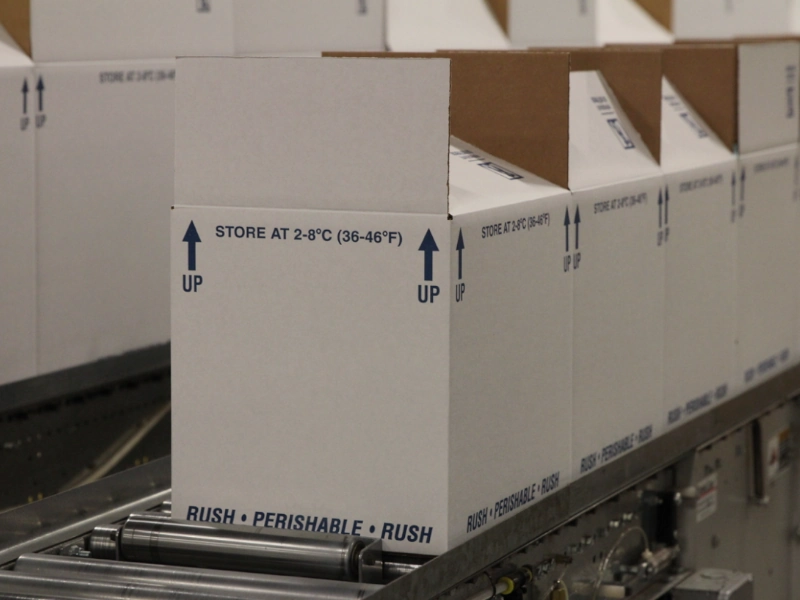
    The cold chain packaging market covers packaging products that can maintain the product at a certain temperature during the entire supply chain.

    The packaging solutions protect products from damage due to heat, cold, or temperature changes.

    Common products transported through cold chain systems include:

    • Fresh fruits and vegetables
    • Dairy products
    • Frozen foods
    • Vaccines and medicines
    • Biological samples
    • Seafood and meat products

    The growing need for safe transportation of these products continues to drive demand across global markets.

    Key Factors Driving Market Growth

    Several factors are helping the market expand across different regions and industries.

    Rising Demand for Fresh and Frozen Foods

    Consumers are demanding fresh products delivered to their doorsteps.

    Online grocery delivery has surged and led to more demand for temperature-controlled packaging.

    Packaging is essential for frozen foods, fresh produce, and ready-to-eat foods to ensure their freshness during transit.

    Consumer confidence in the safety of food products is also supported by the food safety regulations, which will push companies to invest in an improved packaging system, minimizing food spoilage and product loss.

    Growth of Pharmaceutical Logistics

    The healthcare sector is one of the biggest users of cold chain solutions.

    Many medicines, vaccines, and biological products must stay within strict temperature ranges during shipping.

    The expanding pharmaceutical cold chain packaging market is being supported by increasing vaccine distribution, growth in biotechnology products, and rising healthcare investments worldwide.

    Pharmaceutical companies need advanced packaging systems to ensure product safety and regulatory compliance.

    Types of Cold Chain Packaging Solutions

    Different packaging solutions are used depending on product requirements, shipping duration, and temperature needs.

    Active Packaging

    Powered cooling systems are employed for active packaging systems for temperature control.

    Such solutions may feature refrigerators, sensors, and monitoring systems that automatically regulate environmental factors.

    They are commonly used for long-distance transportation of high-value pharmaceutical products and specialized medical shipments. 

    Passive Packaging

    Passive packaging is based on insulating materials or cooling components like gel packs, dry ice, or phase change materials.

    Operates without external power sources and are commonly used for short-term and food deliveries.

    In some cases, passive solutions are less expensive and less complex to implement than active solutions.

    Innovations Transforming the Industry

    Technology is playing a major role in improving cold chain performance.

    Smart Monitoring Systems

    Modern packaging now includes sensors that track temperature, humidity, and location in real time. These systems help companies monitor shipments throughout the delivery process.

    Benefits include:

    • Better product visibility
    • Reduced spoilage risks
    • Faster problem detection
    • Improved customer confidence
    • Enhanced regulatory compliance

    Real-time monitoring allows businesses to respond quickly if temperature issues occur during transit.

    Advanced Insulation Materials

    The cold chain packaging material market continues to evolve with the introduction of high-performance insulation products.

    The lighter, sturdier, more efficient materials being manufactured now offer greater protection against cold temperatures.

    These innovations will minimize shipping costs and enhance product protection in addition to packaging performance. 

    Sustainability Becomes a Priority

    In a wide variety of industries, environmental concerns are playing a role in packaging decisions.

    Companies seek solutions that will help them minimize waste but keep their products at the right temperature.

    Manufacturers are spending on materials that can be recycled, insulating materials that are biodegradable, and packaging designs that are environmentally friendly.

    Solutions that help achieve environmental objectives are also attractive to people who care about the environment.

    A growing number of companies are quantifying their environmental footprint and looking for packaging solutions that minimize their carbon footprint.

    The Rise of Reusable Packaging Solutions

    Single-use packaging has long dominated the industry, but reusable systems are becoming increasingly popular.

    The growing reusable cold chain packaging market reflects the demand for cost-effective and environmentally responsible solutions.

    Reusable containers can complete multiple shipping cycles while maintaining consistent temperature performance.

    Advantages of reusable packaging include:

    • Lower long-term costs
    • Reduced packaging waste
    • Improved sustainability
    • Better durability
    • Enhanced supply chain efficiency

    As businesses focus more on environmental responsibility, reusable packaging is expected to gain greater market share.

    Regional Market Opportunities

    A variety of growth prospects exist for cold chain packaging providers in different regions.

    The North American market continues to be a significant market because of its well-developed healthcare and food distribution system.

    Innovation in packaging technology is continuing, with a focus on sustainability and regulatory compliance in Europe.

    On the other hand, Asia-Pacific is growing at a fast-paced rate owing to the healthcare facilities, growth in food consumption, and growing e-commerce activity.

    The major markets are investing a lot in cold chain logistics as the population and consumer needs are also changing in countries like China and India.

    Promising opportunities will emerge for packaging manufacturers and logistics providers as infrastructure continues to grow in the emerging markets. 

    Conclusion 

    The growth of the cold chain packaging market is expected to be massive owing to the increase in demand for fresh foods, pharmaceutical products, and temperature-sensitive products.

    The industry is undergoing a transformation with technological innovation, smart monitoring systems, sustainable materials, and reusable packaging solutions.

    Although there are certain obstacles to overcome, like expense and regulations, companies that invest in higher-tech packaging solutions will be better equipped to succeed in the future.

    In an ever-evolving global supply chain, the cold chain packaging market will continue to play a vital role in product transportation around the world.

  • Reusable Water Bottle Market Grows as Sustainable Hydration Trends

    Reusable Water Bottle Market Grows as Sustainable Hydration Trends

    Reusable Water Bottle Industry Gains Momentum as Consumers Shift Toward Sustainable Hydration Solutions

    The global reusable water bottles market continues to experience robust growth as the number of individuals embracing environmentally sustainable products for their water consumption requirements and reducing reliance on single-use plastic bottles grows.

    The market will be valued at USD 11.02 billion in 2025 and is forecast to grow from USD 11.56 billion in 2026 to USD 17.36 billion by 2034, at a CAGR of 5.21% during the forecast period.

    Key regional insights indicate robust consumer embracement of reusable water bottles in several economic regions, with the APAC region contributing 39.60% to the global market revenue in 2025 due to the increased number of urban residents, increased awareness about environmental issues, and increased availability of premium hydration products.

    The shift indicates significant lifestyle changes and shifts in the purchase behavior of consumers.

    Consumers Continue Moving Away from Single-Use Plastic

    The transition toward reusable hydration products is being influenced by growing concerns surrounding plastic pollution and environmental preservation.

    Consumers across global markets increasingly seek products that reduce disposable packaging waste while aligning with long-term sustainability goals.

    As awareness of environmental challenges increases, reusable bottles are becoming an everyday lifestyle product rather than an occasional purchase.

    Government actions aimed at limiting single-use plastic consumption are also accelerating adoption.

    Regulations, awareness campaigns, and broader sustainability initiatives continue to encourage households and businesses to invest in long-lasting alternatives.

    This shift is creating favorable conditions for reusable bottle manufacturers that focus on durability, material innovation, and environmentally responsible production.

    Premium Materials and Product Innovation Shape Industry Expansion

    Manufacturers are introducing upgraded product portfolios built around quality, performance, and modern design.

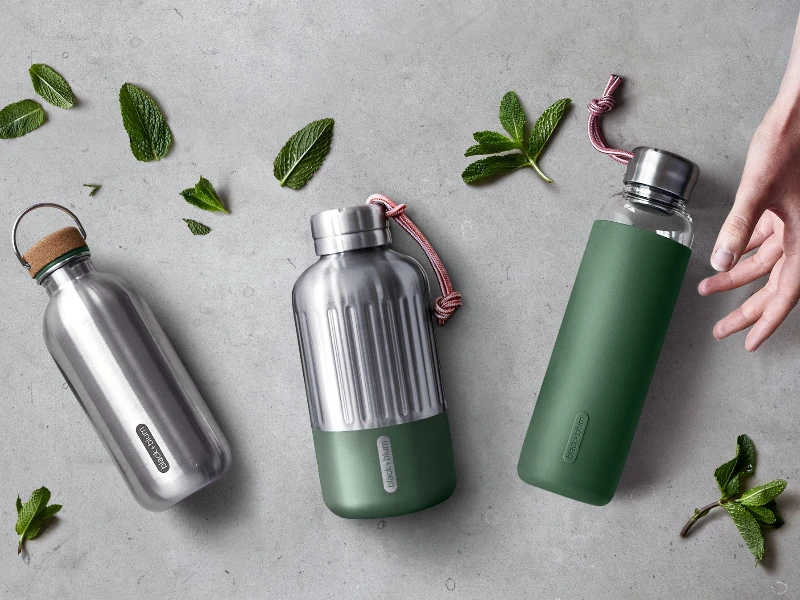
    Reusable bottles are increasingly produced using materials such as stainless steel, borosilicate glass, copper, silicone, and advanced recycled components to improve product longevity and user experience.

    Consumers are no longer selecting bottles solely for water storage purposes.

    Purchasing decisions increasingly depend on insulation efficiency, appearance, portability, and additional functionality.

    Recent product launches demonstrate this evolution.

    In January 2025, Stasher introduced its first 20-ounce water bottle featuring a premium food-grade silicone exterior combined with vacuum-insulated stainless steel construction and an insulated closure system.

    Such developments reflect a broader industry movement toward premium reusable hydration solutions designed for daily use.

    Major brands competing across the global market continue expanding product offerings and strengthening retail presence to capture growing consumer demand.

    Key companies operating in the industry include Hydro Flask, Stanley, Klean Kanteen, SIGG Switzerland AG, Thermos LLC, and CamelBak Products LLC.

    Smart Bottle Technology Emerges as a Major Growth Driver

    One of the strongest forces supporting market development is the increasing popularity of technology-enabled hydration products.

    Manufacturers are integrating digital functionality into reusable bottle designs to improve convenience and support healthier lifestyles.

    Modern smart bottles increasingly include features such as hydration reminders, temperature monitoring, app synchronization, touch controls, filtration systems, and Bluetooth connectivity.

    These connected products help users monitor daily water intake and encourage consistent hydration habits.

    Health-focused consumers, fitness communities, and technology-oriented buyers are showing strong interest in products that combine hydration with wellness tracking.

    As connected consumer goods become more common, reusable water bottles equipped with digital capabilities are expected to gain additional market share.

    Premium Pricing Creates Challenges for Wider Adoption

    Although demand continues to rise, pricing remains an important challenge for manufacturers.

    Premium reusable bottles generally require a higher initial investment than traditional plastic alternatives.

    The elevated cost is driven by advanced manufacturing processes, premium raw materials, insulation systems, and integrated technologies.

    High-end bottles frequently incorporate double-wall vacuum insulation, specialty metals, UV cleaning capabilities, hydration tracking systems, temperature displays, and personalized styling.

    While many consumers recognize the long-term value of durable products, cost-sensitive buyers often continue purchasing lower-priced alternatives.

    This price gap may limit adoption rates in highly competitive consumer markets.

    Customization Trends Open New Business Opportunities

    Personalization has become one of the most attractive opportunities within the reusable bottle industry.

    Consumers increasingly prefer products that reflect individual preferences, lifestyles, and personal identity.

    Custom colors, engraved names, branded graphics, interchangeable accessories, and tailored finishes are becoming more common across premium product categories.

    Younger consumer groups, especially those influenced by lifestyle trends and social media culture, are contributing significantly to the demand for personalized hydration products.

    Corporate organizations are also embracing customized reusable bottles for employee programs, promotional campaigns, and sustainability initiatives.

    These applications allow businesses to strengthen brand engagement while supporting environmental goals.

    As personalization technologies become more accessible, manufacturers are expected to increase investment in flexible production capabilities.

    Outdoor Lifestyle Trends Continue Supporting Demand

    Growing participation in travel, recreation, and outdoor activities remains another important contributor to market expansion.

    Reusable bottles have become essential accessories for individuals participating in hiking, commuting, fitness routines, camping, and extended travel.

    Consumers increasingly value products that maintain beverage temperature while reducing the need for disposable purchases during outdoor experiences.

    Hydration products designed specifically for active lifestyles continue gaining popularity because they improve convenience and support wellness-focused habits.

    The growth of travel spending and recreational product consumption is expected to reinforce long-term demand across multiple regions.

    Manufacturing Complexity and Cost Pressure Influence Market Competition

    Despite positive growth conditions, producers continue to face operational challenges.

    Rising costs associated with raw materials and sustainability compliance are creating pressure across manufacturing operations.

    Materials such as stainless steel, premium glass, bamboo, recycled plastics, and copper often require more specialized sourcing and processing capabilities.

    Global supply chain fluctuations and stricter environmental requirements further increase operational complexity.

    Manufacturers are responding through supply diversification, process optimization, and investments in efficient production systems.

    Successfully balancing quality, affordability, and sustainability will remain essential for maintaining competitive positioning.

    Material Trends Highlight Strong Consumer Preference for Performance

    The market is segmented across glass, plastic, metal, and other material categories.

    Metal-based products currently represent the strongest-performing category due to their durability, premium appearance, and insulation efficiency.

    Stainless steel bottles continue attracting consumers through modern finishes, sleek aesthetics, minimalist styling, and improved heat retention.

    Growing availability of innovative textures and color options is supporting further market penetration.

    Plastic remains an important category due to affordability and accessibility, while alternative materials continue to expand.

    The “others” segment includes silicone, smart materials, composites, and emerging sustainable solutions designed to improve safety and environmental performance.

    Connected hydration devices and self-cleaning systems are also strengthening interest in this category.

    Offline Retail Maintains Leadership While Online Sales Accelerate

    Distribution patterns continue evolving across both physical and digital channels.

    Offline retail remains the dominant sales environment because consumers value the opportunity to inspect product quality before purchasing.

    Supermarkets, specialty stores, department stores, and convenience retailers continue generating strong product visibility and consumer engagement.

    Retail expansion strategies by global brands are also supporting sales performance.

    For example, in 2022, CamelBak expanded its retail footprint through a new store launch in Australia to improve consumer access and strengthen market presence.

    At the same time, digital channels continue to record rapid growth.

    Online platforms offer broader product variety, easier customization, convenience, and direct consumer engagement.

    Social media campaigns, influencer partnerships, and digital-first purchasing behavior continue accelerating online sales, particularly among younger demographics.

    Conclusion

    The reusable hydration category is evolving from a utility product segment into a premium lifestyle and sustainability market.

    Product innovation, smart technology integration, customization demand, and environmental awareness are creating new opportunities across consumer groups and regions.

    As manufacturers continue introducing advanced materials, connected features, and attractive designs, the reusable water bottle market is expected to maintain consistent growth and remain an important part of the global sustainable consumer goods landscape.

  • Sustainable Packaging Trends Industrial Goods USA 2025

    Sustainable Packaging Trends Industrial Goods USA 2025

    Packaging trends in the industrial sector have become increasingly dynamic.

    American corporations are trying to implement sustainable practices in the production of their products’ packaging.

    For instance, in 2025, industrial companies will be searching for packaging that provides sufficient protection to the products while decreasing their ecological footprint.

    The concept of sustainable packaging trends industrial goods USA 2025 has become relevant for a large number of companies.

    Growing Demand for Eco-Friendly Packaging

    The packaging sector of the industry is shifting towards environmentally friendly solutions.

    Companies prefer packaging with minimal environmental damage and the least depletion of natural resources.

    For example, they switch from plastics to more recyclable and biodegradable materials.

    Sustainable packaging trends industrial goods USA 2025 gain popularity because of people’s increased concern about the environment.

    Consumers favor the producers who provide sustainable products.

    Popular Sustainable Packaging Materials

    Many industries now use materials that are easy to recycle or reuse. These materials reduce landfill waste and lower carbon emissions.

    Common sustainable materials include:

    • Recycled cardboard and paper 
    • Molded pulp packaging 
    • Compostable bioplastics 
    • Corrugated fiberboard 
    • Reusable plastic containers 
    • Plant-based packaging films 

    These materials are becoming more affordable and easier to produce.

    Companies also use them to improve their brand image and meet sustainability targets.

    Smart Packaging Solutions in 2025

    Technology is helping companies create better packaging systems.

    Smart packaging reduces waste and improves supply chain efficiency.

    Many industrial brands now use digital tracking and lightweight designs.

    Some smart packaging features include:

    Packaging FeatureBenefit
    QR CodesEasy product tracking
    RFID TagsBetter inventory control
    Lightweight MaterialsLower shipping costs
    Reusable ContainersReduced packaging waste
    Digital LabelsLess paper use
    Compact DesignsSaves storage space

    These innovations support long-term sustainability goals while improving business operations.

    Reusable Industrial Packaging Systems

    Reusable packaging is becoming more common in warehouses and factories.

    Companies use durable containers, pallets, and crates multiple times before replacing them. This reduces material waste and saves money.

    Reusable systems also lower transportation costs because many designs are lightweight and stackable.

    Industrial sectors such as automotive, electronics, and machinery manufacturing are adopting reusable packaging quickly.

    Businesses see long-term financial and environmental benefits from these systems.

    Minimal Packaging Designs

    Many companies now use simple packaging designs with fewer materials. This trend lowers production costs and reduces waste.

    Minimal packaging also makes recycling easier for customers and businesses.

    Manufacturers are removing unnecessary layers, inserts, and plastic wraps.

    Smaller packaging sizes also reduce shipping emissions.

    These changes help industries improve efficiency without affecting product safety during transport and storage.

    Sustainable Packaging for Small Businesses

    Small companies are also joining the eco-friendly movement. The rise of sustainable packaging trends 2025 small business solutions is helping smaller brands compete with larger companies.

    Affordable green packaging options are now widely available in the USA.

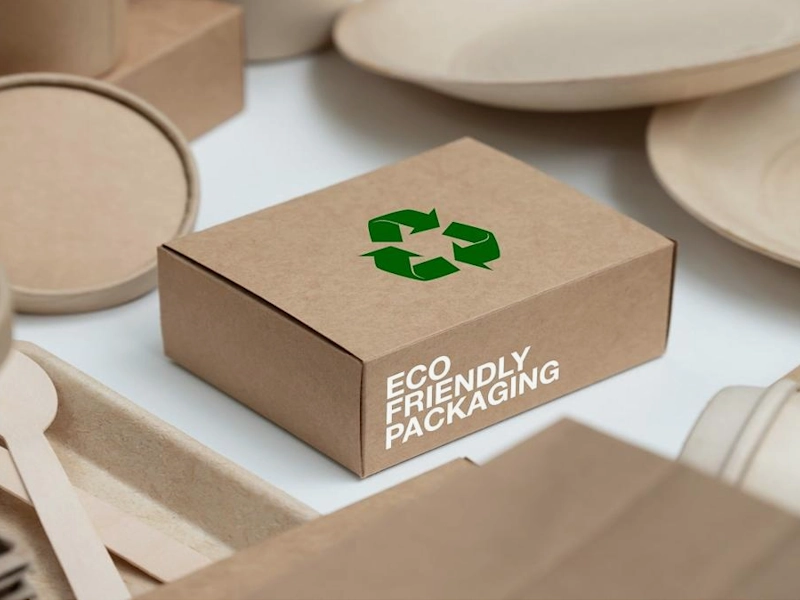
    Small businesses often use kraft boxes, recyclable mailers, and compostable wraps.

    Many suppliers now offer low minimum order quantities, making sustainable packaging easier for startups and local manufacturers.

    Eco-friendly packaging also helps smaller brands attract environmentally conscious customers.

    Rise of Recyclable Plastic Alternatives

    Industries are searching for alternatives to traditional plastic packaging.

    Many companies now use plant-based plastics and recyclable polymer materials.

    These options provide durability while reducing environmental harm.

    Biodegradable films and compostable pouches are becoming more common in industrial packaging.

    Some companies also use recycled ocean plastics in their packaging production.

    These innovations help reduce dependence on virgin plastic materials and support cleaner manufacturing systems.

    Sustainable Food Packaging Influence on Industrial Markets

    The success of sustainable food packaging trends is also influencing industrial packaging designs.

    Food companies introduced many eco-friendly ideas that industrial sectors now follow.

    Lightweight materials, recyclable coatings, and reusable containers are examples of this influence.

    Industrial manufacturers are adapting similar methods for tools, machinery parts, and electronics packaging.

    This crossover is encouraging faster innovation and wider acceptance of sustainable solutions across different industries.

    Government Regulations and Sustainability Goals

    Government policies in the USA are pushing industries toward greener packaging practices.

    Many states now encourage recycling programs and waste reduction initiatives.

    Companies must follow environmental standards while improving packaging efficiency.

    Businesses that adopt sustainable methods early can avoid future compliance problems.

    Many industrial companies also set internal sustainability goals to reduce carbon emissions and packaging waste before 2030.

    Consumer Expectations Are Changing

    Customers now expect businesses to use environmentally responsible packaging.

    Industrial buyers are also becoming more aware of sustainability practices.

    Companies with eco-friendly packaging often build stronger trust with customers and partners.

    Businesses that ignore sustainability trends may lose opportunities in competitive markets.

    Buyers increasingly choose suppliers that support environmental protection and responsible manufacturing practices.

    Energy-Efficient Packaging Production

    Manufacturers are improving packaging production methods to save energy and reduce pollution.

    Many factories now use renewable energy sources like solar and wind power.

    Energy-efficient machines also reduce manufacturing waste.

    Some companies are redesigning packaging production lines to use fewer raw materials.

    These improvements help reduce overall operating costs while supporting environmental goals.

    Sustainable production is becoming an important part of modern industrial packaging systems.

    E-Commerce and Green Packaging Growth

    The growth of online shopping has increased the demand for protective packaging.

    Companies now want shipping materials that are strong and eco-friendly at the same time.

    Corrugated cardboard and recyclable fillers are replacing foam and non-recyclable plastics.

    E-commerce businesses also focus on reducing oversized boxes. Better packaging sizes lower shipping costs and reduce transportation emissions.

    Sustainable packaging has become a major part of online industrial supply chains in the USA.

    Packaging Trends Expected Beyond 2025

    Experts believe sustainability efforts will continue growing in the coming years.

    The rise of sustainable packaging trends 2026 may include more automation, advanced biodegradable materials, and zero-waste systems.

    Future packaging designs may use smart sensors and AI-based tracking systems.

    Companies are expected to invest more in circular economy models where packaging materials are reused and recycled continuously.

    These trends will shape the future of industrial packaging worldwide.

    Benefits of Sustainable Packaging

    Sustainable packaging provides many advantages for industrial businesses.

    Companies are using eco-friendly systems not only for environmental reasons but also for long-term financial benefits.

    Key benefits include:

    • Lower packaging waste 
    • Reduced shipping costs 
    • Better brand reputation 
    • Easier recycling processes 
    • Improved customer trust 
    • Compliance with environmental laws 

    These benefits make sustainable packaging a smart investment for industrial companies in the USA.

    Conclusion

    The industrial packaging of America in the future is going to be green and energy-efficient.

    Industries will rely on packaging that can be recycled, reused, light, and energy-efficient in manufacturing.

    The need for sustainable packaging will keep on rising because consumers and governments will be demanding greener packaging.

    There are various sustainable packaging trends industrial goods USA 2025.

    Firms that adopt sustainable packaging will benefit from strong brand equity, cost savings, and market growth in the future.

  • Smart Healthy Food Container Market Trends 2024 2025

    Smart Healthy Food Container Market Trends 2024 2025

    Food packaging requires special features to design. That is why market trends change over time.

    However, sustainability is an essential feature, but there are many other elements are required to add.

    Food is sensitive to external factors. That is why it needs to add insulation and some coatings that keep food fresh for longer.

    It needs to focus on health factors while designing packaging for food. Some of the market trends are here. 

    Sustainable Packaging

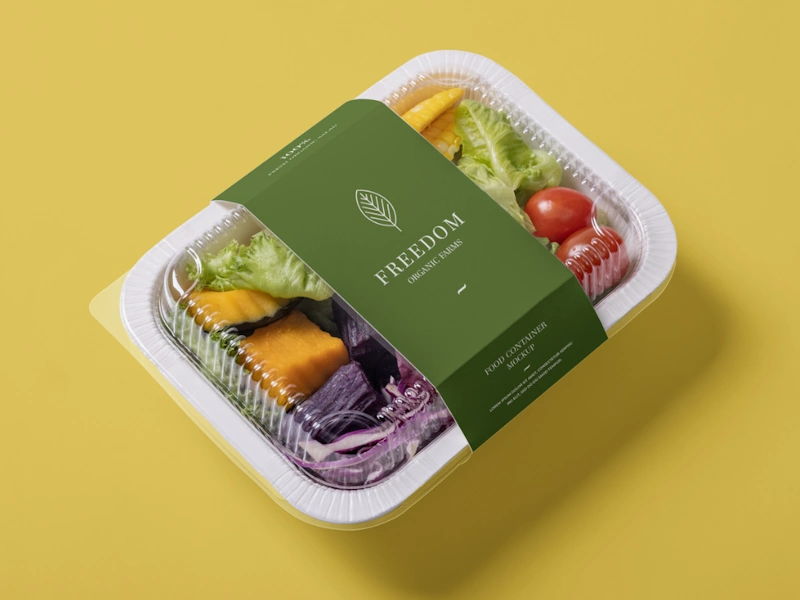
    Food packaging is getting brighter. One excellent option is modern food packaging designed for takeout and delivery.

    It has become popular for all kinds of food. These packaging solutions are made from eco-friendly materials, which means they help protect our planet.

    They are lightweight and great for holding both hot and cold meals.

    Disposable Food Packaging with Lids: Perfect for Hot and Cold Foods

    In terms of food preservation and maintaining the food’s original taste, disposable food packaging with lids is ideal! These containers are versatile and can hold both hot and cold foods.

    They make sure food stays warm when it is noodles or remains cold and fresh when it is a salad.

    Lidded containers help avoid spills, making them incredibly handy for transporting food anywhere.

    They are also lightweight and easy to carry, so both kids and adults can handle them comfortably.

    Ideal for school lunches, picnics, or office meals, they are one of the smartest and easiest ways to enjoy food on the go.

    Not only that, but these containers are practical and environmentally friendly.

    Some are made from recyclable materials that help reduce waste. They come in many attractive shapes and sizes, making them suitable for different meal types.

    Whether you are enjoying a family dinner or a simple sandwich, these containers help keep your food fresh and delicious.

    You can also use them to store leftovers, reducing food waste. Disposable food packaging with lids offers both style and convenience for everyday meals.

    Kraft Paper Takeout Packaging Makes Eating On-the-Go Fun

    Takeaway food becomes even more enjoyable when packed in kraft paper food packaging.

    These boxes offer strength, durability, and convenience while also looking stylish. They are perfect for carrying burgers, fries, sandwiches, desserts, and many other foods.

    Kraft paper helps keep food warm and fresh while remaining lightweight and easy to carry.

    This makes it an excellent choice for picnics, travel, school lunches, or busy days when people need meals on the move.

    One of the biggest benefits of kraft paper packaging is its eco-friendly nature.

    It is made from natural materials, making it a more sustainable option. After use, it can often be recycled or composted.

    These boxes also come in attractive designs that make meals look more appealing. Whether eating at home or outdoors, kraft paper food packaging makes every meal easier to enjoy.

    Natural Dyes and Inks for Trendy Designs That Everyone Loves

    Adding color to packaging can be both fun and environmentally friendly with natural dyes and inks.

    These inks are made from plants, fruits, and flowers, reducing the need for harsh chemicals.

    They create beautiful designs that make food boxes and bags look stylish and attractive.

    Whether using soft pastel shades or bright colors, natural inks are becoming increasingly popular.

    They are safe for families and suitable for food-related packaging applications.

    Natural dyes also help brands stand out from competitors. Imagine a bright, colorful design on food packaging that catches attention while remaining environmentally responsible.

    These designs make takeout boxes, food containers, and gift packaging more attractive and memorable.

    Custom Cardboard Inserts: The Perfect Fit for Secure Packaging

    Custom cardboard inserts work like helpful supports that keep products secure inside packaging.

    They fit perfectly around items, preventing movement and reducing the risk of damage during transportation.

    Made from strong cardboard, these inserts are reliable and can be customized to fit many different products.

    Their flexibility makes them useful for a wide range of packaging applications.

    These inserts are also environmentally friendly because they are often made from recycled materials.

    Businesses value them because they provide protection while giving packaging a professional appearance.

    For example, food packaging with custom inserts can keep sauces, snacks, or meal components separate and organized.

    It is a simple but effective way to improve presentation and prevent spills.

    Conclusion

    Food packaging is a smart and practical solution for modern food service needs. It helps maintain food temperature, keeps meals fresh, and is easy to transport.

    Many packaging options are now made from environmentally friendly materials, making them better for both people and the planet.

    With attractive designs, strong construction, and convenient features, food packaging is suitable for everyday meals as well as special occasions.

    Whether you need to package noodles, snacks, salads, or desserts, the right food packaging helps protect your food while reducing waste and improving the customer experience.

  • Beverage Packaging Mix Trends 2025

    Beverage Packaging Mix Trends 2025

    Changes have come fast within the beverage industry, whereby brands adopt sustainability, convenience, and improved customer experiences in their operations.

    The beverage packaging mix trends 2025 have made it possible for brands to adapt different forms of packaging materials and design to match the demands of today’s consumer.

    Consumer preference towards sustainable packaging, portable, and aesthetically pleasing packaging are improving brand product appeal and minimization of negative impacts on the environment.

    Growing Importance of Beverage Packaging Mix Trends 2025

    The beverage packaging mix trends 2025 define the future of the beverages industry.

    Brands consider aspects such as cost, sustainability, shelf-life, and customer convenience when adopting packaging.

    Plastic bottles, aluminum cans, glass bottles, and paper cartons will continue dominating the beverage industry’s packaging materials.

    Amidst consumers’ changing preferences, brands try to balance between protecting their products and minimizing negative environmental impacts.

    Lightweight packaging materials are being adopted by brands to reduce cost and minimize carbon footprints.

    Beverage Packaging Market Overview

    Different beverage categories require different packaging types. Soft drinks, juices, dairy beverages, bottled water, and alcoholic drinks all use specific packaging materials.

    Common Beverage Packaging Types

    Packaging TypeMain Benefits
    Plastic BottlesLightweight and affordable
    Aluminum CansRecyclable and durable
    Glass BottlesPremium appearance
    Paper CartonsEco-friendly and lightweight
    Flexible PouchesEasy storage and portability


    These packaging options help brands meet both customer and industry demands.

    Sustainability Driving Packaging Changes

    Sustainability is one of the biggest drivers in the beverage industry. Consumers want packaging that creates less waste and supports recycling efforts.

    Many companies are replacing single-use plastics with recyclable and biodegradable materials.

    Recycled PET bottles and aluminum cans are becoming more common because they reduce environmental impact.

    Brands are also introducing refillable packaging systems to support circular economy goals and improve long-term sustainability.

    Rise of Lightweight Packaging Solutions

    Lightweight packaging is becoming very popular in the beverage sector. Companies are reducing material usage while maintaining product safety and quality.

    • Lower transportation costs 
    • Reduced carbon emissions 
    • Easier handling and storage 
    • Lower production expenses 
    • Improved supply chain efficiency 

    These benefits are encouraging beverage companies to redesign packaging materials and bottle shapes.

    Aluminum Cans Gaining Popularity

    Aluminum cans are seeing strong demand worldwide. They are lightweight, durable, and highly recyclable.

    Consumers also prefer cans because they cool quickly and protect beverages from light and oxygen.

    Energy drinks, soft drinks, sparkling water, and alcoholic beverages are increasingly sold in cans.

    Beverage brands are also using attractive can designs to improve shelf visibility and customer appeal.

    The growing recycling infrastructure is further supporting the use of aluminum packaging.

    Growth of Paper-Based Packaging

    Paper cartons and fiber-based packaging are becoming important alternatives to plastic packaging.

    Consumers see paper packaging as more environmentally friendly.

    Paper cartons are widely used for juices, dairy drinks, and plant-based beverages.

    Companies are improving carton durability and moisture resistance through advanced coating technologies.

    Many beverage brands now highlight recyclable and responsibly sourced paper packaging to attract eco-conscious buyers.

    Smart Packaging Technologies Expanding

    Technology is transforming beverage packaging rapidly. Smart packaging helps brands improve customer engagement and supply chain management.

    Popular Smart Packaging Features

    • QR codes for product details 
    • NFC-enabled packaging 
    • Temperature-sensitive labels 
    • Anti-counterfeit technologies 
    • Interactive customer experiences 

    These features allow consumers to access product information, promotions, and brand stories directly from their smartphones.

    Plastic Bottles Still Hold Strong Position

    Despite sustainability concerns, plastic bottles remain widely used because they are lightweight, affordable, and convenient.

    PET bottles continue dominating bottled water and soft drink packaging.

    Manufacturers are focusing on recycled plastics and thinner bottle designs to reduce environmental impact.

    Many companies now use rPET materials made from recycled bottles.

    Improved recycling systems are also helping the beverage industry manage plastic waste more effectively.

    Premium Packaging Trends Growing

    Consumers are increasingly attracted to premium beverage packaging.

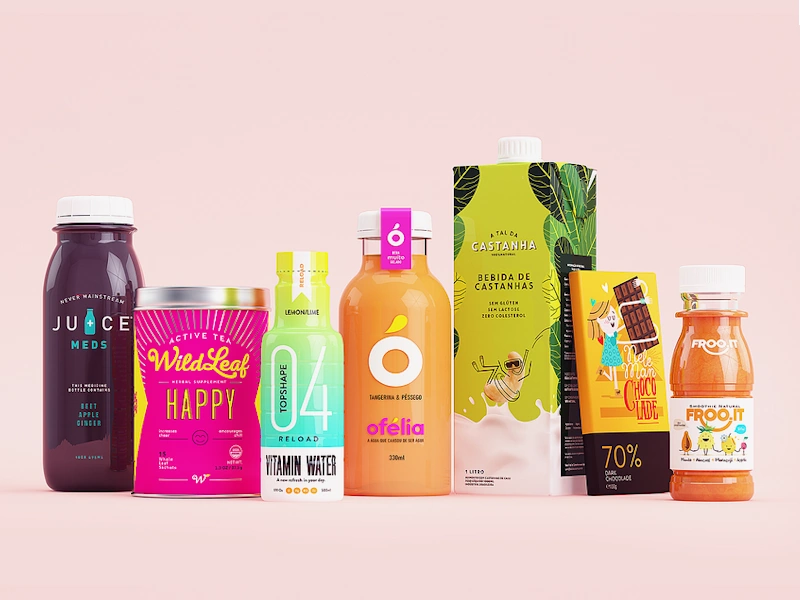
    Glass bottles, embossed cans, and customized labels help brands stand out in competitive markets.

    Premium packaging creates a luxury appearance and improves customer perception.

    Alcoholic beverages, premium juices, and specialty drinks often use glass bottles for better presentation.

    Creative packaging designs also help companies attract younger consumers and support brand loyalty.

    Flexible Packaging Becoming More Common

    Flexible beverage packaging is gaining popularity because it is lightweight and easy to transport.

    Pouches and sachets are especially common in sports drinks, juices, and powdered beverage products.

    • Reduced material usage 
    • Lower shipping costs 
    • Better storage efficiency 
    • Easy portability 
    • Attractive designs 

    Flexible packaging also supports e-commerce growth because it reduces breakage during shipping.

    Beverage Industry Focus on Recycling

    Recycling remains a major focus across the beverage packaging industry.

    Governments and environmental groups are encouraging companies to improve recycling rates and reduce landfill waste.

    Deposit return systems for bottles and cans are becoming more common in many countries.

    Beverage companies are also investing in recyclable labels, caps, and adhesives to support better recycling processes.

    Many global brands now include recycled content in their packaging materials to meet sustainability targets.

    Consumer Preferences Shaping Packaging Choices

    Modern consumers prefer packaging that is convenient, sustainable, and visually appealing.

    Younger buyers especially support brands that use environmentally friendly packaging solutions.

    • Easy-to-carry packaging 
    • Recyclable materials 
    • Resealable closures 
    • Attractive designs 
    • Transparent product information 

    These changing preferences are encouraging companies to develop innovative packaging solutions for different beverage categories.

    Regional Packaging Trends

    Different regions show different beverage packaging preferences. North America and Europe are focusing strongly on sustainability and recycling initiatives.

    Asia Pacific continues seeing strong growth in bottled beverages because of rising urbanization and changing lifestyles.

    Flexible packaging and lightweight bottles are becoming more common in emerging markets.

    Latin America and the Middle East are also increasing investments in modern beverage packaging technologies to support growing consumer demand.

    Challenges Facing Beverage Packaging Industry

    The beverage packaging industry also faces several challenges. Rising raw material prices and strict environmental regulations can increase production costs.

    Plastic waste concerns continue creating pressure on beverage companies to improve sustainability.

    Supply chain disruptions and recycling limitations may also affect packaging production.

    Companies must balance affordability, performance, and environmental goals while maintaining product safety and shelf life.

    Future Outlook for Beverage Packaging

    The future outlook for beverage packaging is very innovative and sustainable.

    More investments will be made in packaging solutions that are recyclable, smart, and lightweight.

    High-tech solutions like biodegradable plastics, recycling systems, and digital printing are some features of the next generation of beverages.

    Those brands that concentrate on sustainability and customer convenience will succeed in the global market.

    Increasing the use of sustainable and premium packaging design trends is expected in the next few years.

    Conclusion

    The beverage packaging mix trends 2025 point out the increasing trend towards sustainability and innovation in the beverage industry.

    Companies are using a mix of bottles, cans, glass containers, paper cartons, and flexible packaging to respond to consumers’ demands.