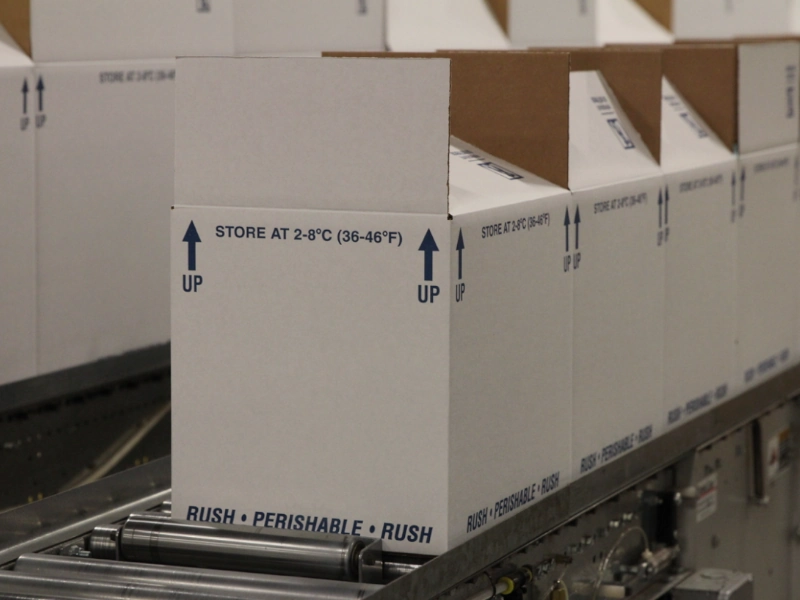
The global cold chain packaging market is growing at a great speed. Due to its rise, it needs to ensure that it meets safety requirements.
All industries rely on the quality of the packaging. The new packaging standards are higher, and the boxes come with temperature-controlled features and are sustainable.
Understanding the Cold Chain Packaging Market
The cold chain packaging market covers packaging products that can maintain the product at a certain temperature during the entire supply chain.
The packaging solutions protect products from damage due to heat, cold, or temperature changes.
Common products transported through cold chain systems include:
- Fresh fruits and vegetables
- Dairy products
- Frozen foods
- Vaccines and medicines
- Biological samples
- Seafood and meat products
The growing need for safe transportation of these products continues to drive demand across global markets.
Key Factors Driving Market Growth
Several factors are helping the market expand across different regions and industries.
Rising Demand for Fresh and Frozen Foods
Consumers are demanding fresh products delivered to their doorsteps.
Online grocery delivery has surged and led to more demand for temperature-controlled packaging.
Packaging is essential for frozen foods, fresh produce, and ready-to-eat foods to ensure their freshness during transit.
Consumer confidence in the safety of food products is also supported by the food safety regulations, which will push companies to invest in an improved packaging system, minimizing food spoilage and product loss.
Growth of Pharmaceutical Logistics
The healthcare sector is one of the biggest users of cold chain solutions.
Many medicines, vaccines, and biological products must stay within strict temperature ranges during shipping.
The expanding pharmaceutical cold chain packaging market is being supported by increasing vaccine distribution, growth in biotechnology products, and rising healthcare investments worldwide.
Pharmaceutical companies need advanced packaging systems to ensure product safety and regulatory compliance.
Types of Cold Chain Packaging Solutions
Different packaging solutions are used depending on product requirements, shipping duration, and temperature needs.
Active Packaging
Powered cooling systems are employed for active packaging systems for temperature control.
Such solutions may feature refrigerators, sensors, and monitoring systems that automatically regulate environmental factors.
They are commonly used for long-distance transportation of high-value pharmaceutical products and specialized medical shipments.
Passive Packaging
Passive packaging is based on insulating materials or cooling components like gel packs, dry ice, or phase change materials.
Operates without external power sources and are commonly used for short-term and food deliveries.
In some cases, passive solutions are less expensive and less complex to implement than active solutions.
Innovations Transforming the Industry
Technology is playing a major role in improving cold chain performance.
Smart Monitoring Systems
Modern packaging now includes sensors that track temperature, humidity, and location in real time. These systems help companies monitor shipments throughout the delivery process.
Benefits include:
- Better product visibility
- Reduced spoilage risks
- Faster problem detection
- Improved customer confidence
- Enhanced regulatory compliance
Real-time monitoring allows businesses to respond quickly if temperature issues occur during transit.
Advanced Insulation Materials
The cold chain packaging material market continues to evolve with the introduction of high-performance insulation products.
The lighter, sturdier, more efficient materials being manufactured now offer greater protection against cold temperatures.
These innovations will minimize shipping costs and enhance product protection in addition to packaging performance.
Sustainability Becomes a Priority
In a wide variety of industries, environmental concerns are playing a role in packaging decisions.
Companies seek solutions that will help them minimize waste but keep their products at the right temperature.
Manufacturers are spending on materials that can be recycled, insulating materials that are biodegradable, and packaging designs that are environmentally friendly.
Solutions that help achieve environmental objectives are also attractive to people who care about the environment.
A growing number of companies are quantifying their environmental footprint and looking for packaging solutions that minimize their carbon footprint.
The Rise of Reusable Packaging Solutions
Single-use packaging has long dominated the industry, but reusable systems are becoming increasingly popular.
The growing reusable cold chain packaging market reflects the demand for cost-effective and environmentally responsible solutions.
Reusable containers can complete multiple shipping cycles while maintaining consistent temperature performance.
Advantages of reusable packaging include:
- Lower long-term costs
- Reduced packaging waste
- Improved sustainability
- Better durability
- Enhanced supply chain efficiency
As businesses focus more on environmental responsibility, reusable packaging is expected to gain greater market share.
Regional Market Opportunities
A variety of growth prospects exist for cold chain packaging providers in different regions.
The North American market continues to be a significant market because of its well-developed healthcare and food distribution system.
Innovation in packaging technology is continuing, with a focus on sustainability and regulatory compliance in Europe.
On the other hand, Asia-Pacific is growing at a fast-paced rate owing to the healthcare facilities, growth in food consumption, and growing e-commerce activity.
The major markets are investing a lot in cold chain logistics as the population and consumer needs are also changing in countries like China and India.
Promising opportunities will emerge for packaging manufacturers and logistics providers as infrastructure continues to grow in the emerging markets.
Conclusion
The growth of the cold chain packaging market is expected to be massive owing to the increase in demand for fresh foods, pharmaceutical products, and temperature-sensitive products.
The industry is undergoing a transformation with technological innovation, smart monitoring systems, sustainable materials, and reusable packaging solutions.
Although there are certain obstacles to overcome, like expense and regulations, companies that invest in higher-tech packaging solutions will be better equipped to succeed in the future.
In an ever-evolving global supply chain, the cold chain packaging market will continue to play a vital role in product transportation around the world.
Leave a Reply