

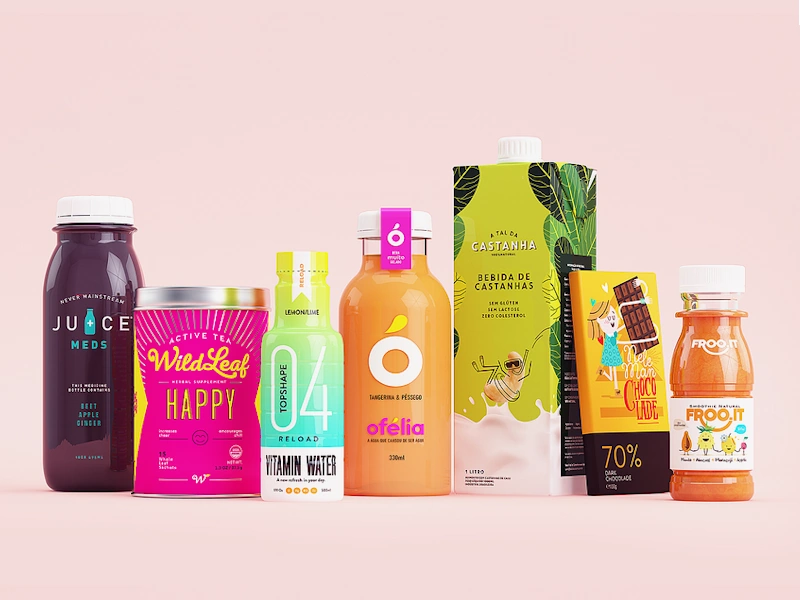
Changes have come fast within the beverage industry, whereby brands adopt sustainability, convenience, and improved customer experiences in their operations.
The beverage packaging mix trends 2025 have made it possible for brands to adapt different forms of packaging materials and designs to match the demands of today’s consumer.
Consumer preference towards sustainable, portable, and aesthetically pleasing packaging is improving brand product appeal and minimizing negative impacts on the environment.
Growing Importance of Beverage Packaging Mix Trends 2025
The beverage packaging mix trends 2025 define the future of the beverage industry. Brands consider aspects such as cost, sustainability, shelf-life, and customer convenience when adopting packaging.
Plastic bottles, aluminum cans, glass bottles, and paper cartons will continue dominating the beverage industry’s packaging materials.
Amidst consumers’ changing preferences, brands try to balance between protecting their products and minimizing negative environmental impacts.
Lightweight packaging materials are being adopted by brands to reduce cost and minimize carbon footprints.
Beverage Packaging Market Overview
Different beverage categories require different packaging types. Soft drinks, juices, dairy beverages, bottled water, and alcoholic drinks all use specific packaging materials.
Common Beverage Packaging Types
| Packaging Type | Main Benefits |
|---|---|
| Plastic Bottles | Lightweight and affordable |
| Aluminum Cans | Recyclable and durable |
| Glass Bottles | Premium appearance |
| Paper Cartons | Eco-friendly and lightweight |
| Flexible Pouches | Easy storage and portability |
These packaging options help brands meet both customer and industry demands.
Sustainability Driving Packaging Changes
Sustainability is one of the biggest drivers in the beverage industry. Consumers want packaging that creates less waste and supports recycling efforts.
Many companies are replacing single-use plastics with recyclable and biodegradable materials.
Recycled PET bottles and aluminum cans are becoming more common because they reduce environmental impact.
Brands are also introducing refillable packaging systems to support circular economy goals and improve long-term sustainability.
Rise of Lightweight Packaging Solutions
Lightweight packaging is becoming very popular in the beverage sector. Companies are reducing material usage while maintaining product safety and quality.
- Lower transportation costs
- Reduced carbon emissions
- Easier handling and storage
- Lower production expenses
- Improved supply chain efficiency
These benefits are encouraging beverage companies to redesign packaging materials and bottle shapes.
Aluminum Cans Gaining Popularity
Aluminum cans are seeing strong demand worldwide. They are lightweight, durable, and highly recyclable.
Consumers also prefer cans because they cool quickly and protect beverages from light and oxygen.
Energy drinks, soft drinks, sparkling water, and alcoholic beverages are increasingly sold in cans.
Beverage brands are also using attractive can designs to improve shelf visibility and customer appeal.
The growing recycling infrastructure is further supporting the use of aluminum packaging.
Growth of Paper-Based Packaging
Paper cartons and fiber-based packaging are becoming important alternatives to plastic packaging. Consumers see paper packaging as more environmentally friendly.
Paper cartons are widely used for juices, dairy drinks, and plant-based beverages.
Companies are improving carton durability and moisture resistance through advanced coating technologies.
Many beverage brands now highlight recyclable and responsibly sourced paper packaging to attract eco-conscious buyers.
Smart Packaging Technologies Expanding
Technology is transforming beverage packaging rapidly. Smart packaging helps brands improve customer engagement and supply chain management.
Popular Smart Packaging Features
- QR codes for product details
- NFC-enabled packaging
- Temperature-sensitive labels
- Anti-counterfeit technologies
- Interactive customer experiences
These features allow consumers to access product information, promotions, and brand stories directly from their smartphones.
Plastic Bottles Still Hold Strong Position
Despite sustainability concerns, plastic bottles remain widely used because they are lightweight, affordable, and convenient. PET bottles continue dominating bottled water and soft drink packaging.
Manufacturers are focusing on recycled plastics and thinner bottle designs to reduce environmental impact. Many companies now use rPET materials made from recycled bottles.
Improved recycling systems are also helping the beverage industry manage plastic waste more effectively.
Premium Packaging Trends Growing
Consumers are increasingly attracted to premium beverage packaging. Glass bottles, embossed cans, and customized labels help brands stand out in competitive markets.
Premium packaging creates a luxury appearance and improves customer perception. Alcoholic beverages, premium juices, and specialty drinks often use glass bottles for better presentation.
Creative packaging designs also help companies attract younger consumers and support brand loyalty.
Flexible Packaging Becoming More Common
Flexible beverage packaging is gaining popularity because it is lightweight and easy to transport. Pouches and sachets are especially common in sports drinks, juices, and powdered beverage products.
- Reduced material usage
- Lower shipping costs
- Better storage efficiency
- Easy portability
- Attractive designs
Flexible packaging also supports e-commerce growth because it reduces breakage during shipping.
Beverage Industry Focuses on Recycling
Recycling remains a major focus across the beverage packaging industry. Governments and environmental groups are encouraging companies to improve recycling rates and reduce landfill waste.
Deposit return systems for bottles and cans are becoming more common in many countries.
Beverage companies are also investing in recyclable labels, caps, and adhesives to support better recycling processes.
Many global brands now include recycled content in their packaging materials to meet sustainability targets.
Consumer Preferences Shaping Packaging Choices
Modern consumers prefer packaging that is convenient, sustainable, and visually appealing. Younger buyers especially support brands that use environmentally friendly packaging solutions.
- Easy-to-carry packaging
- Recyclable materials
- Resealable closures
- Attractive designs
- Transparent product information
These changing preferences are encouraging companies to develop innovative packaging solutions for different beverage categories.
Regional Packaging Trends
Different regions show different beverage packaging preferences. North America and Europe are focusing strongly on sustainability and recycling initiatives.
Asia Pacific continues to see strong growth in bottled beverages because of rising urbanization and changing lifestyles.
Flexible packaging and lightweight bottles are becoming more common in emerging markets.
Latin America and the Middle East are also increasing investments in modern beverage packaging technologies to support growing consumer demand.
Challenges Facing the Beverage Packaging Industry
The beverage packaging industry also faces several challenges. Rising raw material prices and strict environmental regulations can increase production costs.
Plastic waste concerns continue to create pressure on beverage companies to improve sustainability. Supply chain disruptions and recycling limitations may also affect packaging production.
Companies must balance affordability, performance, and environmental goals while maintaining product safety and shelf life.
Future Outlook for Beverage Packaging
The future outlook for beverage packaging is very innovative and sustainable. More investments will be made in packaging solutions that are recyclable, smart, and lightweight.
High-tech solutions like biodegradable plastics, recycling systems, and digital printing are some features of the next generation of beverages.
Those brands that concentrate on sustainability and customer convenience will succeed in the global market.
Increasing the use of sustainable and premium packaging design trends is expected in the next few years.
Conclusion
The beverage packaging mix trends 2025 point out the increasing trend towards sustainability and innovation in the beverage industry.
Companies are using a mix of bottles, cans, glass containers, paper cartons, and flexible packaging to respond to consumers’ demands.

