

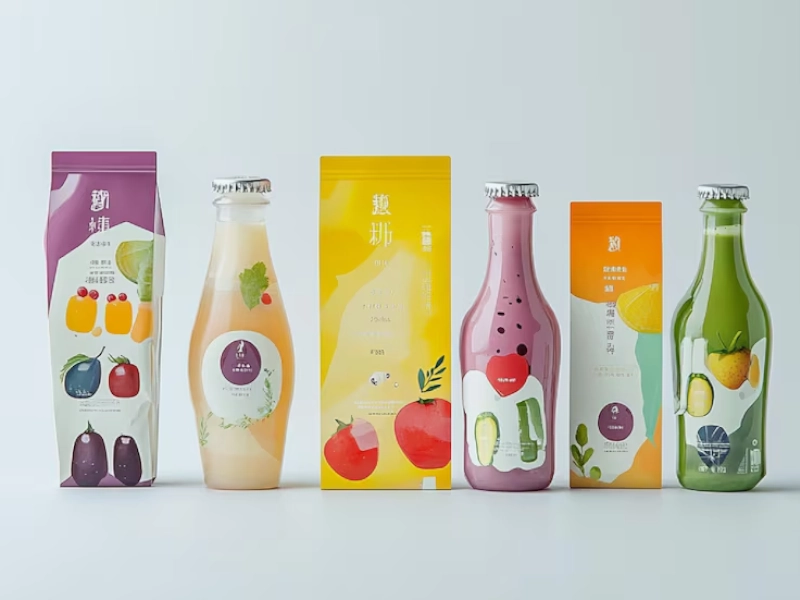
U.S. Beverage Packaging Market Accelerates Growth as Sustainability, Convenience, and Smart Packaging Reshape Industry Outlook
The United States beverage packaging market is at the verge of embarking on another wave of transformations that result from changes in consumer behavior, increased sustainability goals, and innovations in packaging.
Growth in this market is being driven by the increasing demand for ready-to-drink beverages, water in bottles, energy drinks, functional beverages, and high-end packages.
Lightweight packaging, advanced filling systems, and recyclable solutions are being adopted across the United States to ensure increased efficiencies and effectiveness of products.
This report focuses on analyzing the market by packaging materials, types of beverages, size of the packages, processing methods, and sustainability.
The growing consumer demand for convenience, portability, and sustainable packages will drive packaging decisions.
Aluminum Emerges as the Leading Packaging Material
Innovation in materials is still one of the key drivers influencing market development.
Aluminum is currently responsible for about 30% of the total market share and is thus considered the leading material used for beverage packaging in 2025.
The popularity of this material increases due to its lightweight nature, durability, high protection, and sustainability.
The material offers protection against humidity, oxygen, light, and temperature changes, ensuring the quality of products during transportation and storage.
Its increasing popularity among carbonated soft drinks and premium beverage products has increased its adoption in the market.
However, between 2025 and 2034, the fastest-growing material will be PET, especially recycled PET (rPET).
Recycling efforts, along with commitment to environmental issues and sustainable practices, are driving the popularity of recycled materials in beverage packaging mix trends.
Production Volumes Reflect Strong Packaging Demand
Large-scale production volumes continue to demonstrate the importance of beverage packaging within the U.S. supply chain.
Annual production data for 2024 shows PET bottles leading with 135 billion units, reflecting strong usage across bottled water, juices, and soft drinks.
Aluminum cans followed with 110 billion units, highlighting continued demand from carbonated and ready-to-drink beverage categories.
Glass bottles accounted for 28 billion units, primarily supporting premium beverages and specialty drinks where presentation and quality perception remain important.
Cartons reached 14 billion units, driven largely by dairy and juice applications.
Flexible pouches represented 4.8 billion units, supported by growing demand for portable and single-serve beverage formats.
This production mix illustrates a market balancing functionality, sustainability, convenience, and branding opportunities.
Bottled Water Continues to Lead Beverage Categories
Consumer purchasing habits continue to favor healthier and more convenient beverage choices.
The bottled water segment captured approximately 27% of market share in 2025, becoming the largest beverage category in the market.
Consumers increasingly prioritize hydration, convenience, and portable packaging solutions that fit active lifestyles.
Packaging innovation has played a central role in supporting this category through lightweight bottles, improved closures, and enhanced recyclability.
Meanwhile, functional and nutraceutical beverages are projected to expand at a significant pace through 2034.
Growth in wellness-focused consumption is creating demand for packaging that protects nutritional quality while supporting premium branding and consumer engagement.
Smart packaging technologies integrated into these products are expected to create new opportunities across the market.
Single-Serve Packaging Dominates Consumer Preferences
Convenience continues to influence package format decisions.
The single-serve (251–500 mL) segment held approximately 55% market share in 2025, supported by growing demand for ready-to-drink beverages and portable consumption.
Consumers increasingly prefer package sizes that support portion control and on-the-go lifestyles.
Retailers and beverage companies are responding by expanding product offerings in smaller and more convenient formats.
At the same time, mini and shot-sized packaging (≤250 mL) is expected to achieve strong growth through the forecast period.
Demand for health beverages, energy products, and low-calorie drink options is supporting development in this category.
Technology Innovation Creates New Growth Opportunities
Packaging technologies are becoming increasingly important as manufacturers seek better performance and stronger consumer engagement.
In 2025, the cold-fill segment represented approximately 46% of market share, supported by broad compatibility across bottled water, soft drinks, juices, and energy beverages.
Cold-fill processes help maintain beverage flavor and quality while supporting efficient production.
Meanwhile, aseptic-fill technologies are expected to expand rapidly through 2034.
These systems extend shelf life while preserving nutritional value and reducing dependency on preservatives.
Emerging packaging technologies are also reshaping the industry.
Companies are investing in:
- Smart packaging with QR codes and NFC-enabled consumer experiences
- Advanced barrier films that improve product protection
- Lightweight aluminum technologies
- Plant-based and biopolymer packaging materials
- Digital printing systems for faster customization
- Easy-open closures and convenience enhancements
- Recyclable multilayer packaging structures
These innovations are helping brands differentiate products while improving operational efficiency.
Sustainability Moves to the Center of Packaging Strategy
Environmental responsibility continues to influence both regulation and consumer purchasing decisions.
Sustainability analysis shows that recyclable packaging represented 68% of packaging adoption, making it the dominant environmental strategy.
Recycled content packaging captured 23%, reflecting stronger integration of post-consumer materials.
Lightweight packaging contributed 7%, helping reduce transportation costs and emissions.
Compostable packaging remains a smaller category at 2%, although future growth is expected as composting infrastructure expands.
Federal and state regulations are encouraging broader adoption of recyclable materials, reduced emissions, and circular packaging systems.
Brands are increasing investment in returnable containers, refillable packaging pilots, energy-efficient manufacturing, and closed-loop collection programs.
Growing focus on simplified labels and improved sorting systems is also supporting recycling performance.
E-Commerce Expands Packaging Requirements
The expansion of online grocery and direct-to-consumer beverage sales is creating additional packaging demand.
Brands are prioritizing durable, lightweight, and shipping-friendly formats capable of reducing damage during delivery.
PET bottles and aluminum cans continue gaining preference due to their transportation efficiency and structural reliability.
Packaging design is increasingly being optimized for e-commerce fulfillment, stacking efficiency, and sustainability performance.
As digital beverage retail expands, packaging innovation is expected to remain a competitive advantage.
Imports, Exports, and Supply Chains Influence Market Development
Trade activity continues to play an important role in market operations.
Among packaging categories, aluminum cans and sheets recorded the highest trade value, with imports reaching US$2,450 million and exports totaling US$980 million.
Glass bottles also maintained strong trade activity due to premium beverage demand.
PET bottles recorded moderate import and export activity, while paper cartons remained concentrated within specialized applications.
Global sourcing strategies and domestic production capabilities continue influencing supply stability and pricing.
Outlook
Looking ahead, the market is expected to benefit from continued investment in automation, smart technologies, sustainable materials, and packaging efficiency.
Rising consumption of functional beverages, premium products, bottled water, and direct-to-consumer beverage formats will continue creating opportunities for innovation.
As beverage brands focus on stronger sustainability performance, better shelf presence, and improved consumer convenience, the beverage packaging market is expected to remain one of the most dynamic segments of the U.S. packaging industry.

