Hot Fill Packaging Industry Accelerates as Beverage and Food Producers Invest in Heat-Resistant Container Innovation
The hot fill packaging market is gaining momentum due to investments by beverage and food manufacturers in packaging systems that ensure quality retention, shelf stability, and thermal processing.
There is a growing demand for ready-to-drink beverages, natural formulation products, and long ambient shelf life, which encourages brands to use packaging systems that keep the strength and aesthetic appeal despite the high-temperature filling process.
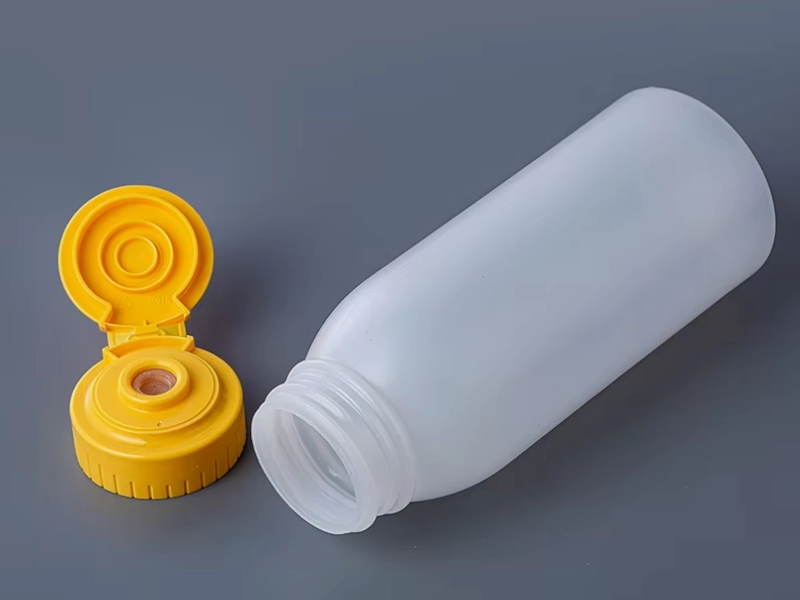
Hot fill packaging can be defined as rigid packages made to withstand the filling of products at high temperatures, which normally range between 82°C and 96°C.
The container is capable of withstanding its rigidity even when the package is going through the heating or cooling process.
This packaging system is prevalent across many industries, including the beverage and food sectors.
This type of packaging system consists of PET, HDPE, Polypropylene, and glass bottles.
Understanding the Scope of the Market
The market features rigid containers that are made suitable for hot filling of several materials and industries.
The industry analysis of the market is done using parameters such as choice of materials, sizes of packages, closure options, applicability, end-use industries, and geographic trends prevailing from 2026 to 2036.
This includes containers that are used in manufacturing systems of foods and beverages where heat treatment takes place during the process of filling.
This analysis does not cover flexible packaging systems, aseptic cartons, reportable metal packaging systems, which require pressure sterilization, and upstream processes like resins and preforms.
Independent evaluations of closure systems are excluded from the analysis of the market.
Research Framework Supporting Market Evaluation
To establish accurate market estimates, industry specialists combined direct market engagement with extensive secondary analysis.
Primary research involved structured discussions with packaging engineers, beverage facility operators, container developers, and specialists involved in thermal processing technologies.
These conversations helped identify evolving temperature requirements, equipment compatibility needs, and material performance expectations.
Secondary research incorporated publicly available production statistics, technical publications, packaging regulations, trade data, and manufacturing reports related to beverage output and container technologies.
Market sizing was developed using production volume assessments combined with pricing analysis across container categories and regional demand environments.
To strengthen reliability, findings were validated against manufacturer disclosures, resin utilization patterns, and industrial production indicators.
Market Growth Supported by Changing Consumer Preferences
Demand for hot fill packaging is increasing because manufacturers are under pressure to deliver products that remain safe, visually appealing, and shelf-stable without excessive chemical preservation.
Consumers increasingly favor beverages and food products positioned around natural ingredients and simplified labels.
These preferences are encouraging producers to expand heat-based preservation methods that require packaging capable of maintaining dimensional stability during filling.
Ready-to-drink beverages continue to influence packaging investment decisions globally.
Juice brands, tea producers, and specialty beverage manufacturers are selecting hot fill technologies because they support product protection while improving production efficiency.
Container performance has become a competitive factor. Producers want packaging that not only tolerates elevated temperatures but also provides an attractive appearance, transportation durability, and compatibility with automated filling environments.
As premium beverage categories continue to expand, packaging solutions capable of protecting flavor, maintaining freshness, and strengthening shelf presence are becoming increasingly valuable.
Emerging Opportunity Areas Reshaping Industry Competition
Industry participants are expanding beyond traditional container manufacturing and focusing on advanced packaging capabilities that improve operational and commercial outcomes.
Premium beverage packaging remains one of the strongest opportunities.
Juice and nectar producers increasingly request containers with improved transparency, custom panel structures, and enhanced heat resistance to strengthen brand identity and consumer appeal.
Lightweight engineering is creating another major growth avenue. Manufacturers are redesigning bottles to reduce material consumption while maintaining strength and thermal reliability.
Lower transportation costs and improved environmental efficiency continue to support adoption.
Barrier technology development is becoming a key area of differentiation.
New coating systems designed to reduce oxygen exposure and improve UV protection are extending shelf life and supporting product preservation objectives.
Hybrid container development is also receiving attention. Producers increasingly value bottle systems that can function across both hot-fill and aseptic production environments, providing operational flexibility and reducing equipment limitations.
Regional manufacturing expansion is expected to remain important, especially in fast-growing beverage economies across Asia-Pacific.
Establishing localized production reduces logistics costs and allows a faster response to customer requirements.
Beyond beverages, opportunities continue to emerge across sauces, condiments, specialty foods, and products that require controlled thermal processing.
High-speed production compatibility is becoming another strategic priority as large-scale manufacturers seek packaging capable of maintaining consistency during automated filling and cooling operations.
Segment Analysis Highlights Key Growth Categories
The market is categorized according to material, package volume, application type, end-use industry, closure format, and geographic region.
Material categories include PET, HDPE, polypropylene, and glass.
Container sizes range from compact formats below 250ml to larger solutions exceeding 1000ml.
Applications extend across beverages, sauces, soups, baby food products, and additional food categories.
End-use industries include juice and nectar producers, ready-to-drink tea and coffee manufacturers, sports beverage companies, and food processing organizations.
Regional performance is evaluated across North America, Europe, East Asia, South Asia & Pacific, Latin America, and the Middle East & Africa.
PET Continues to Lead Material Adoption
PET is expected to remain the dominant material segment and is projected to account for approximately 57.8% of market demand in 2026.
Its continued leadership is linked to a balance of lightweight performance, thermal capability, transparency, and processing efficiency.
Beverage companies continue to rely on PET because it supports large-scale production requirements while maintaining product appearance and packaging consistency.
Continuous improvements in heat-setting methods and material engineering are expanding PET’s suitability across a wider range of beverage applications.
Manufacturers also value PET’s compatibility with existing production infrastructure and its ability to support cost optimization strategies.
Beverage Applications Maintain Market Leadership
Among all application categories, beverages are expected to account for approximately 62.3% of total demand in 2026.
Juice, ready-to-drink tea, and specialty beverage producers continue to represent the largest users of hot fill container systems.
These manufacturers increasingly depend on thermal processing to improve safety and maintain product integrity without relying heavily on preservatives.
Packaging innovation within this segment continues to focus on improved panel structures, enhanced barrier performance, and better visual presentation.
Investment in automated filling technologies is further reinforcing demand for containers that support production speed while preserving packaging quality.
As global interest in premium beverages and naturally positioned products grows, beverage applications are expected to remain the leading growth engine.
Industry Trends Driving Future Development
Several structural trends continue to influence market evolution.
Manufacturers are investing in advanced engineering methods to optimize bottle performance while reducing material use.
Design improvements focused on wall thickness distribution and structural analysis are helping companies balance efficiency with durability.
At the same time, advanced protective technologies are becoming more common.
Multi-layer barriers and preservation systems are improving freshness retention and supporting wider distribution capabilities.
These developments are allowing packaging suppliers to deliver greater value while supporting customer goals around product quality and operational performance.
Conclusion
The global packaging industry continues to evolve toward solutions that combine thermal reliability, production efficiency, and stronger product protection.
Demand for preservative-conscious food and beverage products, combined with advances in lightweight engineering and barrier performance, is creating favorable conditions for sustained industry expansion.
As manufacturers seek flexible and high-performance packaging formats that support both quality assurance and operational efficiency, the hot fill packaging market is positioned to remain a critical component of future food and beverage packaging innovation.
Leave a Reply