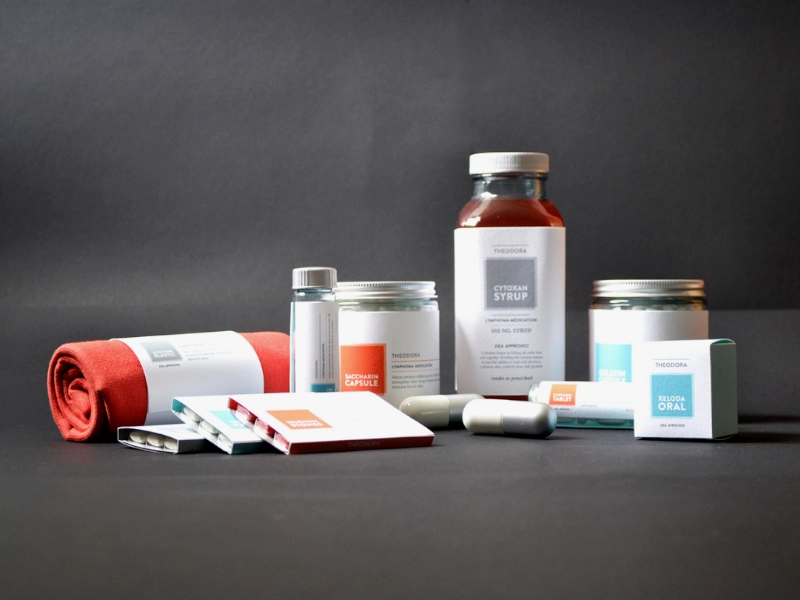
The Packaging of Investigational Drugs Should Ideally Ensure Safety, Compliance, and Product Integrity
The importance of packaging in protecting investigational products during every step of a clinical trial has never stopped being highlighted by healthcare professionals and research organizations.
As global research is growing and becoming stricter in terms of regulations, companies are turning to modern packaging technologies that would be helpful in maintaining quality, safety, and regulatory compliance.
Investigational products need to be handled with great care from manufacturing locations to research centers and, finally, to the patients themselves.
All packages should protect their contents from any environmental impacts, including temperature fluctuations, humidity, physical impact, and exposure to sunlight.
At the same time, efficient packaging guarantees that every dose will arrive at its final location in the same state as when it was manufactured.
Clinical trials depend on accurate labeling, traceability, and secure distribution systems.
Packaging plays an essential role in helping researchers identify products correctly, reduce dispensing errors, and maintain complete documentation throughout the study.
Modern packaging technologies also improve inventory management and support efficient product tracking across multiple trial locations.
Industry experts note that packaging must comply with national and international regulatory standards governing clinical research materials.
Manufacturers are designing solutions that meet Good Manufacturing Practice (GMP) requirements while supporting evolving expectations from regulatory agencies.
Compliance remains a priority because packaging directly influences product integrity, patient confidence, and trial reliability.
Cold-chain packaging has become increasingly important for investigational drugs that require strict temperature control.
Specialized insulated containers, temperature-monitoring devices, and validated shipping systems help preserve product stability during transportation.
These technologies reduce the risk of product loss and improve confidence in study outcomes.
Tamper-evident features continue to gain importance across the pharmaceutical industry.
Security seals, serialized labels, and anti-counterfeiting technologies help protect investigational products from unauthorized access while maintaining the integrity of clinical trial materials.
These measures strengthen supply chain security and improve transparency throughout distribution.
Digital innovation is also transforming pharmaceutical packaging. Smart labels, QR codes, RFID technology, and electronic tracking systems allow researchers to monitor product movement in real time.
These tools improve accountability, simplify documentation, and help organizations respond quickly if distribution issues arise during clinical studies.
Patient-centered packaging is another growing priority. Easy-to-read instructions, accessible labeling, and user-friendly package designs support medication adherence while reducing confusion for trial participants.
Clear packaging contributes to safer administration and improves the overall clinical trial experience.
Environmental responsibility has become an additional focus for pharmaceutical companies.
Organizations are exploring recyclable materials, sustainable packaging designs, and waste reduction strategies without compromising product protection or regulatory compliance.
Many companies believe environmentally responsible packaging can support both operational goals and corporate sustainability initiatives.
Healthcare organizations recognize that the packaging of investigational drugs should ideally protect every product throughout manufacturing, storage, transportation, and clinical use.
High-quality packaging systems reduce the likelihood of contamination, preserve product stability, and help maintain the scientific integrity of clinical research.
Industry leaders believe collaboration among pharmaceutical manufacturers, packaging suppliers, contract research organizations, and regulatory authorities is essential for continued progress.
By sharing expertise and adopting advanced technologies, stakeholders can strengthen packaging standards while improving patient safety and operational efficiency across clinical development programs.
As clinical research expands globally, packaging requirements continue to evolve alongside new therapies, biologics, and personalized medicines.
Future packaging solutions are expected to incorporate enhanced monitoring capabilities, sustainable materials, and advanced security features that meet increasingly complex regulatory requirements.
The pharmaceutical sector continues investing in research and innovation to support safe drug development from laboratory testing through commercial approval.
Packaging remains one of the most important components of this process because it helps preserve product quality, maintain regulatory compliance, and protect patients participating in clinical trials.
Experts agree that the packaging of investigational drugs should ideally combine safety, traceability, compliance, and product protection within a single integrated solution.
As healthcare technologies continue advancing, modern packaging systems will remain essential for supporting successful clinical trials and delivering reliable investigational therapies to research participants worldwide.
Looking ahead, pharmaceutical companies are expected to increase investments in packaging systems that improve efficiency and reduce operational risks.
Advances in automation, real-time monitoring, and intelligent labeling will help organizations maintain consistent quality while supporting faster and more reliable clinical trial distribution across global research sites.
Industry experts also believe stronger collaboration between packaging manufacturers, regulators, and clinical research organizations will encourage continuous improvement.
By adopting innovative packaging solutions and maintaining strict quality standards, stakeholders can help ensure investigational drugs remain safe, compliant, and effective throughout every stage of clinical development.
Industry analysts expect continued investment in pharmaceutical packaging technologies over the coming years.
Smart packaging, improved cold-chain solutions, sustainable materials, and enhanced digital tracking systems are likely to become standard features as organizations strengthen clinical trial operations and prepare for the next generation of medical innovation.
Leave a Reply