

The advanced packaging substrates market is experiencing consistent growth. In 2024, the market is estimated to be worth USD 15.8 billion. Growth is driven by increased demand for cutting-edge electronics.
Several sectors rely heavily on sophisticated devices. Market projections indicate potential revenues of up to USD 31.1 billion by 2033.
This reflects high market demand for the future. Consumers are demanding smaller and more efficient devices. Advanced packaging substrates fulfill this objective.
Semiconductors significantly contribute to market growth. There is a need for swift and energy-efficient devices.
Advanced packaging allows for greater connectivity within compact chips. It enhances the signals’ effectiveness as well.
Emerging technologies such as 5G and the Internet of Things (IoT) have contributed to this growth. Such innovations require excellent data-processing capabilities.
Growth Drivers
Industrial machinery is another area that contributes to economic growth. Smart factories require efficient machinery.
Efficient machinery requires durable and dependable components. The healthcare industry is also a major contributor to growth.
Healthcare requires medical equipment. Medical equipment needs efficient chips. Improved results can be achieved using advanced substrates.
Consumer demands play an important part in the growth of advanced substrates. Consumers want fast smartphones and smart gadgets.
As a result, there is design pressure. Increased pressure results in demand for efficient substrates.
Technology Advancements
Technological innovation has influenced the market. The flip chip is extensively utilized. It enhances performance while reducing the size.
It accommodates high-speed components. It is employed in computers and graphics engines.
They are efficient in decreasing size and increasing effectiveness. They facilitate multi-functionality in one component.
They are incorporated into cell phones and wearable items. They are instrumental in designing compact and effective products.
The embedded die technique integrates components into the substrate. It is effective in enhancing signal intensity and conserving space. This hampers its adoption
Substrate Type Analysis
There are two major classes of substrates. These are organic substrates and inorganic substrates. Organic substrates are malleable and cheap.
They are used in consumer electronics. Large-scale manufacturing is feasible in these substrates. In addition, they have superior electrical properties.
Inorganic substrates are durable and resistant to high temperatures. They are used in rugged environments. These include automotive and industrial applications.
Nevertheless, they are expensive. Hence, their use is limited. Hybrid substrates are increasingly becoming common. They exhibit qualities of both types.
Other materials are currently being developed. The new materials enhance thermal stability and durability.
It makes it possible for their application in a wider range of sectors. Manufacturers are prioritizing efficiency.
Application Areas
Consumer electronics dominate the market. Electronic products such as smartphones and laptops require highly complex circuits.
These circuits must operate efficiently to perform their function. Substrates can aid in enhancing efficiency.
The automotive industry is expanding rapidly. Electric cars require efficient electronics. Telecommunications technology is crucial. 5G networks require high-speed data transfer.
Industrial systems utilize highly sophisticated control circuits. The healthcare sector requires advanced medical equipment. All these segments boost the market.
Wearable technology is expanding at a rapid pace. Wearable technology requires highly efficient circuits.
Substrates contribute toward enhancing functionality within a limited space. This boosts market demand.
End Users
OEMs are the primary adopters of advanced substrates. They design and sell products using these substrates.
Their primary objective is to enhance quality. EMS organizations are also critical in the market. They offer assembly and testing services.
Foundries are also significant adopters. They offer packaging services. They assist with the release of new products.
Other adopters include research organizations. They concentrate on innovation and application development.
Other adopters include design firms. They develop product concepts. They assist in enhancing system performance. It promotes the adoption of advanced substrates.
Opportunities and Challenges
The market offers many opportunities. Demand for AI and smart devices is rising. These systems need advanced packaging. Automotive and healthcare sectors also create growth.
However, challenges exist. High cost is a major issue. Complex production processes slow growth. Companies must invest in new methods.
Technology changes quickly. This creates risk. Continuous improvement is needed to stay competitive.
Supply chain issues can also affect growth. Shortage of materials can delay production. Companies must manage these risks carefully.
Regional Outlook
Opportunities are abundant in the market. The market demand for AI and intelligent devices continues to increase.
Such systems require advanced packaging. The automotive and health care industries present opportunities.
Several challenges exist in the market. Cost is a significant challenge. Difficulties in the production process reduce growth. Firms must embrace innovative processes to ensure competitiveness. Technology is evolving rapidly. It poses risks to firms.
Challenges in supply chains also pose risks. Insufficiencies may hinder production.
| Segment Type | Categories |
|---|---|
| Substrate Type | Organic Substrates Inorganic Substrates |
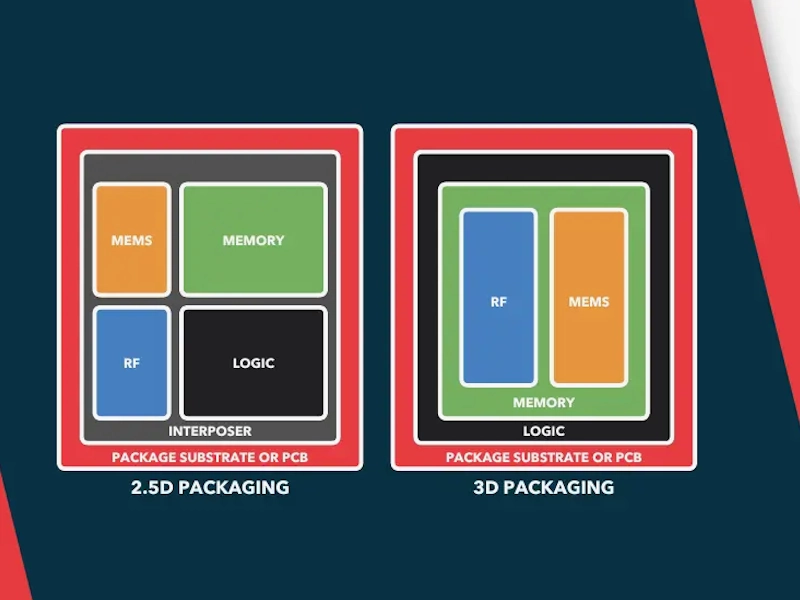
| Technology | Flip Chip Fan Out Fan In Embedded Die 2.5D 3D Packaging |
| Application | OEMs, EMS Providers, Foundries, Others |
| End Users | OEMs, EMS Providers, Foundries Others |
| Regions | Asia Pacific North America Europe Latin America Middle East and Africa |
Competitive Landscape
The industry is characterized by high levels of competition. There are many international firms participating in the business.
They have an innovative nature and emphasize product quality. They have invested more in material and design improvements. Joint ventures are prevalent in the industry.
Automated processes are being adopted increasingly in the production process. It enhances efficiency and reduces costs.
There are emerging businesses that have been joining the market. They have brought about innovative concepts. Established firms remain at the forefront with technology.
Companies have also emphasized consumer demands. They provide customized products that enhance their competitiveness within the market.
Future Outlook
The outlook for the market is favorable. There will be more demand for smart devices.
Technology advancements will drive the need for substrates with improved performance at reduced costs.
There will also be a shift towards sustainable manufacturing processes. Environmentally friendly substrates will be considered in the future trends. This will ensure the sustainability of the industry.
Moreover, digital transformation will further enhance the adoption of smart systems across various sectors.

