

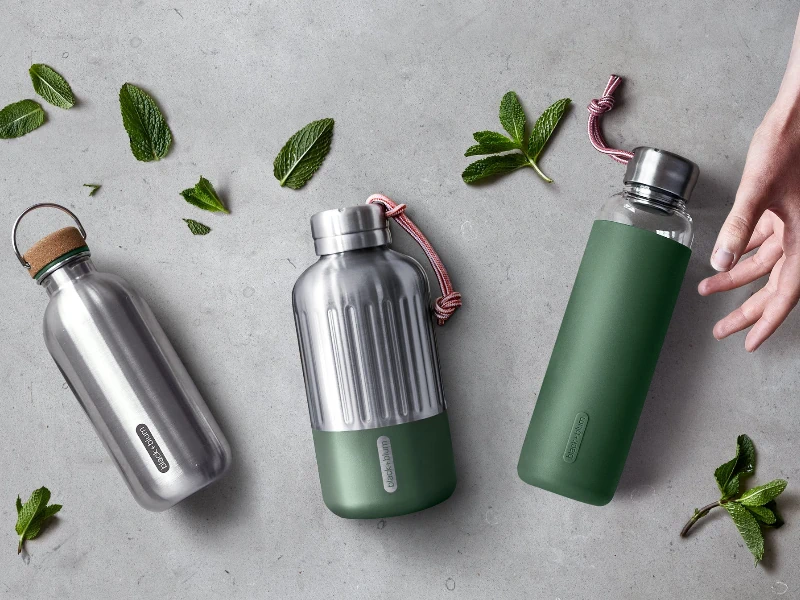
Reusable Water Bottle Industry Gains Momentum as Consumers Shift Toward Sustainable Hydration Solutions
The global reusable water bottles market continues to experience robust growth as the number of individuals embracing environmentally sustainable products for their water consumption requirements and reducing reliance on single-use plastic bottles grows.
The market will be valued at USD 11.02 billion in 2025 and forecast to grow from USD 11.56 billion in 2026 to USD 17.36 billion by 2034, at a CAGR of 5.21% during the forecast period.
Key regional insights indicate robust consumer embrace of reusable water bottles in several economic regions, with the APAC region contributing 39.60% to the global market revenue in 2025 due to the increased number of urban residents, increased awareness about environmental issues, and increased availability of premium hydration products.
The shift indicates significant lifestyle changes and shifts in purchase behavior of consumers.
Consumers Continue Moving Away from Single-Use Plastic
The transition toward reusable hydration products is being influenced by growing concerns surrounding plastic pollution and environmental preservation.
Consumers across global markets increasingly seek products that reduce disposable packaging waste while aligning with long-term sustainability goals.
As awareness of environmental challenges increases, reusable bottles are becoming an everyday lifestyle product rather than an occasional purchase.
Government actions aimed at limiting single-use plastic consumption are also accelerating adoption.
Regulations, awareness campaigns, and broader sustainability initiatives continue encouraging households and businesses to invest in long-lasting alternatives.
This shift is creating favorable conditions for reusable bottle manufacturers that focus on durability, material innovation, and environmentally responsible production.
Premium Materials and Product Innovation Shape Industry Expansion
Manufacturers are introducing upgraded product portfolios built around quality, performance, and modern design.
Reusable bottles are increasingly produced using materials such as stainless steel, borosilicate glass, copper, silicone, and advanced recycled components to improve product longevity and user experience.
Consumers are no longer selecting bottles solely for water storage purposes. Purchasing decisions increasingly depend on insulation efficiency, appearance, portability, and additional functionality.
Recent product launches demonstrate this evolution.
In January 2025, Stasher introduced its first 20-ounce water bottle featuring a premium food-grade silicone exterior combined with vacuum-insulated stainless steel construction and an insulated closure system.
Such developments reflect broader industry movement toward premium reusable hydration solutions designed for daily use.
Major brands competing across the global market continue expanding product offerings and strengthening retail presence to capture growing consumer demand.
Key companies operating in the industry include Hydro Flask, Stanley, Klean Kanteen, SIGG Switzerland AG, Thermos LLC, and CamelBak Products LLC.
Smart Bottle Technology Emerges as a Major Growth Driver
One of the strongest forces supporting market development is the increasing popularity of technology-enabled hydration products.
Manufacturers are integrating digital functionality into reusable bottle designs to improve convenience and support healthier lifestyles.
Modern smart bottles increasingly include features such as hydration reminders, temperature monitoring, app synchronization, touch controls, filtration systems, and Bluetooth connectivity.
These connected products help users monitor daily water intake and encourage consistent hydration habits.
Health-focused consumers, fitness communities, and technology-oriented buyers are showing strong interest in products that combine hydration with wellness tracking.
As connected consumer goods become more common, reusable water bottles equipped with digital capabilities are expected to gain additional market share.
Premium Pricing Creates Challenges for Wider Adoption
Although demand continues to rise, pricing remains an important challenge for manufacturers.
Premium reusable bottles generally require a higher initial investment than traditional plastic alternatives.
The elevated cost is driven by advanced manufacturing processes, premium raw materials, insulation systems, and integrated technologies.
High-end bottles frequently incorporate double-wall vacuum insulation, specialty metals, UV cleaning capabilities, hydration tracking systems, temperature displays, and personalized styling.
While many consumers recognize the long-term value of durable products, cost-sensitive buyers often continue purchasing lower-priced alternatives.
This price gap may limit adoption rates in highly competitive consumer markets.
Customization Trends Open New Business Opportunities
Personalization has become one of the most attractive opportunities within the reusable bottle industry.
Consumers increasingly prefer products that reflect individual preferences, lifestyles, and personal identity.
Custom colors, engraved names, branded graphics, interchangeable accessories, and tailored finishes are becoming more common across premium product categories.
Younger consumer groups, especially those influenced by lifestyle trends and social media culture, are contributing significantly to demand for personalized hydration products.
Corporate organizations are also embracing customized reusable bottles for employee programs, promotional campaigns, and sustainability initiatives.
These applications allow businesses to strengthen brand engagement while supporting environmental goals.
As personalization technologies become more accessible, manufacturers are expected to increase investment in flexible production capabilities.
Outdoor Lifestyle Trends Continue Supporting Demand
Growing participation in travel, recreation, and outdoor activities remains another important contributor to market expansion.
Reusable bottles have become essential accessories for individuals participating in hiking, commuting, fitness routines, camping, and extended travel.
Consumers increasingly value products that maintain beverage temperature while reducing the need for disposable purchases during outdoor experiences.
Hydration products designed specifically for active lifestyles continue gaining popularity because they improve convenience and support wellness-focused habits.
The growth of travel spending and recreational product consumption is expected to reinforce long-term demand across multiple regions.
Manufacturing Complexity and Cost Pressure Influence Market Competition
Despite positive growth conditions, producers continue facing operational challenges.
Rising costs associated with raw materials and sustainability compliance are creating pressure across manufacturing operations.
Materials such as stainless steel, premium glass, bamboo, recycled plastics, and copper often require more specialized sourcing and processing capabilities.
Global supply chain fluctuations and stricter environmental requirements further increase operational complexity.
Manufacturers are responding through supply diversification, process optimization, and investments in efficient production systems.
Successfully balancing quality, affordability, and sustainability will remain essential for maintaining competitive positioning.
Material Trends Highlight Strong Consumer Preference for Performance
The market is segmented across glass, plastic, metal, and other material categories.
Metal-based products currently represent the strongest-performing category due to their durability, premium appearance, and insulation efficiency.
Stainless steel bottles continue attracting consumers through modern finishes, sleek aesthetics, minimalist styling, and improved heat retention.
Growing availability of innovative textures and color options is supporting further market penetration.
Plastic remains an important category due to affordability and accessibility, while alternative materials continue expanding.
The “others” segment includes silicone, smart materials, composites, and emerging sustainable solutions designed to improve safety and environmental performance.
Connected hydration devices and self-cleaning systems are also strengthening interest in this category.
Offline Retail Maintains Leadership While Online Sales Accelerate
Distribution patterns continue evolving across both physical and digital channels.
Offline retail remains the dominant sales environment because consumers value the opportunity to inspect product quality before purchasing.
Supermarkets, specialty stores, department stores, and convenience retailers continue generating strong product visibility and consumer engagement.
Retail expansion strategies by global brands are also supporting sales performance.
For example, in 2022, CamelBak expanded its retail footprint through a new store launch in Australia to improve consumer access and strengthen market presence.
At the same time, digital channels continue recording rapid growth.
Online platforms offer broader product variety, easier customization, convenience, and direct consumer engagement.
Social media campaigns, influencer partnerships, and digital-first purchasing behavior continue accelerating online sales, particularly among younger demographics.
Conclusion
The reusable hydration category is evolving from a utility product segment into a premium lifestyle and sustainability market.
Product innovation, smart technology integration, customization demand, and environmental awareness are creating new opportunities across consumer groups and regions.
As manufacturers continue introducing advanced materials, connected features, and attractive designs, the reusable water bottle market is expected to maintain consistent growth and remain an important part of the global sustainable consumer goods landscape.

