

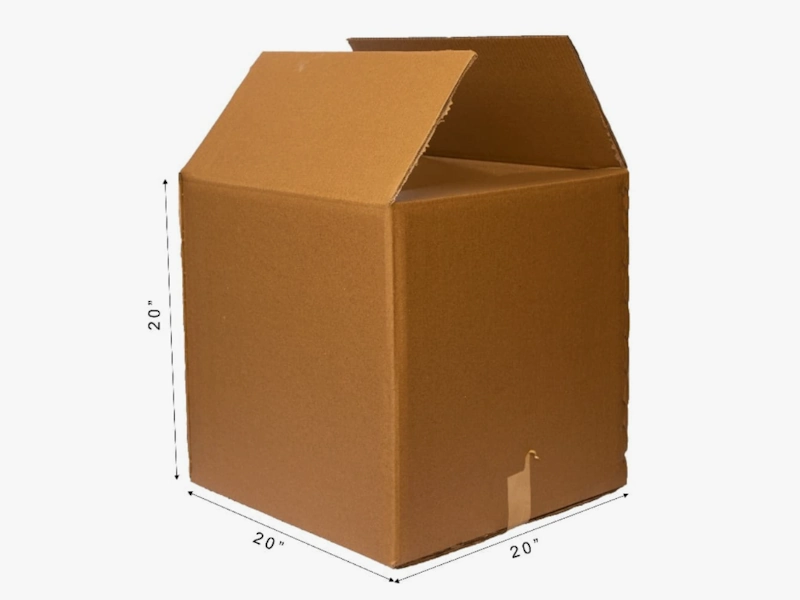
Standard box sizes in the USA depend on product type and packaging style. How big is 20 inches? When it comes to shipping needs, size matters a lot.
The range varies from small-sized 6x4x2-inch packaging to bigger 24x18x18-inch boxes. Each box has a particular use.
The packaging size equals a standard medium-sized shipping box dimension designed for bulk products.
How Big is 20 inches, and what is its Importance?
Packaging has a significant impact on the transport process and protects goods during transit.
In today’s era, companies seek packages that fit well, look good, and save costs. Moreover, many people often ask how big is 20 inches is when purchasing package dimensions for household products or medium-sized electronics.
In general, 20 inches is less than two feet, which makes it the perfect size for large shipping packages. There is a high demand for advanced packaging in 2026.
Why Box Size Matters in Daily Shipping?
Picking the optimal box size should be considered essential for every organization. It is crucial not only to think about the box being used as a container but to see how it affects your product safety and shipping costs.
Firstly, selecting the correct box allows saving some money since it prevents any additional costs caused by having a box that is too large. The concept of dimensional weight is associated here.
Secondly, it enhances the process of storing and packing. Standard sizes are always easier to organize. In addition, workers will not have to guess which box to select.
Thirdly, the right box size is important for product safety because less movement is observed when the box is snugly fitted.
Last but not least, using an optimal box size contributes to reducing the amount of waste generated during packaging. That is why it is eco-friendly.
A Complete Overview of Standard Box Sizes Used for Daily Shipping and Storage
Understanding box sizes is easier when you see common dimensions used in daily work. All measurements are in inches and follow this order: Length × Width × Height.
Here are the widely used standard box sizes:
Shipping Boxes
- 6×4×2
- 8×6×4
- 10×8×4
- 12×9×4
- 12×12×6
- 14×10×6
- 16×12×8
- 18×12×12
Carrier Boxes
- Small: about 12.25×10.9×1.5
- Medium: about 13.25×11.5×2.38
- Extra Large: about 16.5×16.5×18.5
USPS Flat Rate Boxes:
- Small: about 8.6×5.3×1.6
- Medium: about 11.25×8.75×6
- Large: about 12×12×5.5
UPS Express Boxes
- Small: about 13×11×2
- Medium: about 16×11×3
- Large: about 18×13×3
Moving Boxes
- Small: about 16×12×12
- Medium: about 18×18×16
- Large: about 18×18×24
- Extra Large: about 24×18×24
These sizes help businesses choose quickly and avoid errors. Always use inside dimensions when designing custom boxes.
Common Sizes
Products are usually packed in three main size groups: small, medium, and large.
| Category | Box Size (L × W × H) | Common Use |
|---|---|---|
| Small Boxes | 6×4×2 inches | Jewelry, cosmetics, small gadgets |
| Medium Boxes | 10×8×4 inches | Clothing, books, kits |
| Large Boxes | 14×12×8 inches | Bulk items, multiple products |
| CBD Packaging | 1.3×1.3×4.2 | Dropper bottles |
| CBD Packaging | 2.5×2.5×2.5 | Jars |
| Soap Boxes | 3.75×2.75×1.25 | 4 oz soap |
| Soap Boxes | 4×3×1.5 | 5 oz soap |
| Cosmetic Boxes | 1×1×3.25 | Lipstick |
| Cosmetic Boxes | 1.5×1.5×5 | Serum bottles |
| Mailer Boxes | 6×4×2 | Small shipments |
| Mailer Boxes | 9×6×3 | Medium shipments |
| Mailer Boxes | 12×9×4 | Larger shipments |
These sizes help brands stay consistent and reduce shipping costs.
Packaging Styles Used in the USA
In 2026, packaging is not only about size. Style also matters for branding and protection.
Corrugated Boxes
Strong and used for shipping heavy items.
Mailer Boxes
Popular for online brands and subscription boxes.
Rigid Boxes
Premium boxes used for gifts and luxury items.
Folding Cartons
Lightweight boxes for retail products.
Display Boxes
Used in stores to show products on shelves.
Each style has its own use. For example, rigid boxes look premium, while corrugated boxes focus on strength.
What Are Standard Shipping Box Sizes?
Category | Box Sizes (L × W × H) | Best For |
Small | 6×4×4, 8×6×4 | Small items like mugs or electronics |
| Medium | 12×12×6, 16×12×8 | Clothes and gadgets |
| Large | 18×18×16, 20×16×12 | Kitchen items and bulk orders |
| Extra Large | 24×18×18, 24×24×24 | Moving and large products |
Shipping boxes are grouped by size.
A simple rule is to choose a box that is just slightly bigger than your product. Add 1–2 inches for protection.
How To Measure a Box Correctly
Measuring a box is simple if you follow the right steps.
Step 1: Measure Length (L)
Find the longest side of the box.
Step 2: Measure Width (W)
Measure the shorter side.
Step 3: Measure Height (H)
Measure from bottom to top.
Step 4: Use Correct Order
Always write dimensions as Length × Width × Height.
Step 5: Calculate Volume
Multiply all three numbers.
Volume = Length × Width × Height
This helps you know how much space the box has.
Growth of Packaging in the USA
The packaging business in America is rapidly developing. It is projected to exceed 250 billion dollars by 2030. This growth can be attributed to the increasing popularity of e-commerce and green practices.
There has been an increased interest in sustainable packaging among consumers. The usage of uncomplicated, recyclable boxes is on the rise.
Companies that utilize appropriate packaging will succeed in their respective markets.
Conclusion
It is important to choose an appropriate size of a box in terms of doing business because this choice will help save money and satisfy customers. A slight change in the size of boxes can have a huge impact on both transportation and storage costs.
As you are creating your packaging, consider aspects such as fit with cost-effectiveness and aesthetics. How big is 20 inches?
It helps with determining the proper box size for medium-sized and larger items. Brands will definitely be using a standard package size and materials that meet environmental standards.

 is ideal for shipping medium items. Choosing the right box size improves protection, reduces costs, and avoids extra fees.)