

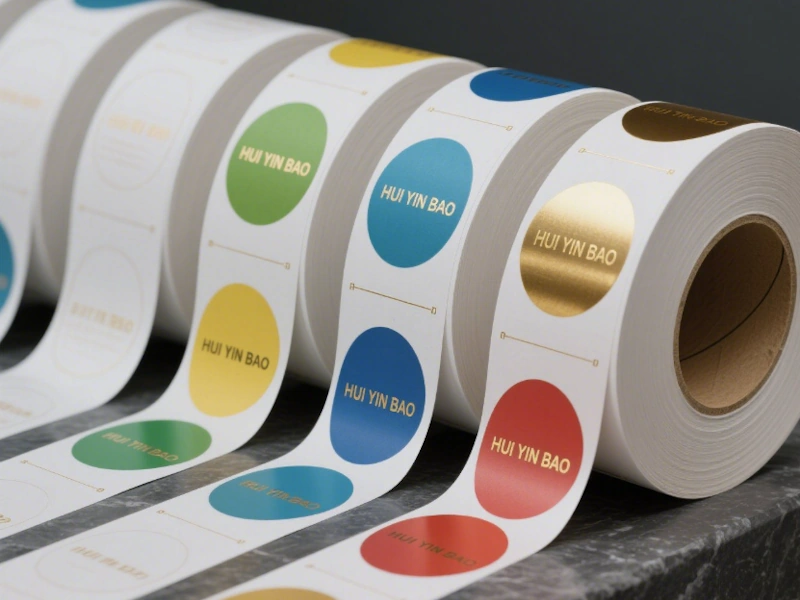
The self-adhesive labels market is growing steadily across the world. Such types of labels are utilized extensively in packaging, logistics, retailing, health care, and food sectors.
Companies favor self-adhesive labels because of their ease of application, cost-effectiveness, and diverse design options.
The global market is predicted to rise from USD 59.18 billion in 2026 to USD 95.25 billion by 2035 at a CAGR of 5.43%.
Emerging e-commerce, innovative labeling systems, and sustainable packaging practices drive global market expansion.
Growing Importance of the Self-Adhesive Labels Market
The self-adhesive labels market contributes significantly to current trends in packaging and labeling products.
Such labels have a built-in adhesive layer that enables their attachment to any surface without heating or moistening. They are applied to plastic, glass, paper, metal, and wooden products.
The market expands owing to growing needs for robust and attractive labels for marketing and regulatory purposes.
During market development, the self-adhesive labels market size keeps growing amid escalating demand in the food, pharmaceuticals, and logistics industries globally.
Market Size and Forecast Overview
The market is expected to show strong growth during the forecast period. North America currently leads the industry because of strict labeling regulations and advanced packaging technologies.
Market Overview Table
| Metric | Details |
|---|---|
| Market Size 2025 | USD 56.13 Billion |
| Projected Market Size 2035 | USD 95.25 Billion |
| CAGR 2026-2035 | 5.43% |
| Leading Region | North America |
| Fastest Growing Region | Asia Pacific |
| Largest Application | Food & Beverages |
These numbers show strong future demand for labeling products and technologies.
Key Factors Driving Market Growth
Many industries are increasing the use of self-adhesive labels because they improve packaging, tracking, and branding.
- Growth of online shopping
- Rising need for smart labels
- Increasing packaged food demand
- Expansion of the pharmaceutical industry
- Better digital printing technologies
- Demand for sustainable labeling materials
These factors are helping manufacturers develop advanced and customized labeling solutions.
What are Self-Adhesive Labels?
Self-adhesive labels contain three important layers. These include the face material, adhesive layer, and release liner.
The face material can be paper, plastic, or film, while the adhesive helps the label stick to surfaces.
These labels are popular because they are easy to use and available in many shapes and sizes.
Companies can choose permanent, removable, or repositionable adhesive options depending on their packaging needs.
Smart Labels and Digital Innovations
Technology is changing the labeling industry quickly. Smart labels are becoming more popular because they improve tracking and customer interaction.
- QR codes
- RFID tracking
- NFC technology
- Temperature indicators
- Freshness monitoring sensors
These technologies help businesses manage inventory and provide consumers with product information instantly through smartphones.
Role of AI in the Label Industry
Artificial Intelligence is improving the production and design process in the market. AI systems help companies reduce waste, improve print quality, and speed up production.
AI-powered machines can detect printing mistakes during manufacturing. Predictive maintenance systems also reduce machine downtime and improve efficiency.
AI tools can analyze customer preferences and help businesses create personalized label designs for different markets and products.
Rise of Sustainable Labeling Solutions
Sustainability has become a major trend in the industry. Companies now prefer recyclable and eco-friendly labeling materials to reduce environmental impact.
Paper-based labels are gaining popularity because they are affordable and recyclable. Manufacturers are also developing eco-friendly adhesives and biodegradable materials.
Many businesses are focusing on sustainable packaging to improve their brand image and meet government regulations.
Importance of Release Liners
Release liners are an important part of self-adhesive labels. They protect the adhesive layer before the label is applied.
These liners help labels work smoothly in automated labeling systems. They also protect labels from dust, moisture, and damage during storage and transportation.
Silicone-coated release liners are widely used because they allow easy and quick label application in high-speed production lines.
Flexography Printing Dominates the Market
Flexography is one of the most widely used printing technologies in the labeling industry. It allows fast and cost-effective printing on different materials.
- High-speed production
- Low printing costs
- Excellent print quality
- Suitable for large orders
- Supports multiple ink types
Flexography is commonly used for food, beverage, pharmaceutical, and retail labels.
Permanent Labels Lead the Industry
Permanent labels dominate the market because they provide strong and long-lasting adhesion. These labels remain attached to products throughout their life cycle.
Permanent labels are resistant to heat, moisture, chemicals, and abrasion. This makes them suitable for industries such as healthcare, electronics, and food packaging.
They also support tamper-evident packaging, which is important for safety and product authentication.
Food and Beverage Industry Drives Demand
The food and beverage sector is one of the largest users of self-adhesive labels. Every packaged product requires labels for branding, ingredients, nutrition facts, and expiry dates.
Self-adhesive labels are durable and suitable for refrigerated, frozen, and packaged food products. They also help brands improve shelf appearance and customer attraction.
Growing demand for ready-to-eat foods and packaged beverages is increasing the need for high-quality labels worldwide.
Pharmaceutical Sector Growing Rapidly
The pharmaceutical industry is expected to grow quickly in the market. Medicines require detailed labels with dosage instructions, batch numbers, and expiry dates.
- Rising global medicine demand
- Strict healthcare regulations
- Need for anti-counterfeit labels
- Growth of personalized medicines
Self-adhesive labels support pharmaceutical safety by offering tamper-evident and barcode-enabled packaging solutions.
Growth Through E-commerce and Logistics
E-commerce is creating a strong demand for labeling solutions. Shipping packages requires labels for tracking, identification, and delivery management.
Online retailers also need attractive packaging labels to improve customer experience. Self-adhesive labels are widely used because they are durable and easy to print in large volumes.
Smart labels with RFID and barcode systems are helping logistics companies improve inventory tracking and shipping accuracy.
North America Leads the Market
North America currently dominates the market because of strict labeling regulations and strong packaging industries.
Regulatory bodies require clear product information, especially in the food and healthcare sectors.
The region also has strong adoption of advanced labeling technologies such as RFID and QR codes.
Companies in the United States and Canada continue investing in smart and sustainable packaging solutions.
Asia Pacific Shows Fastest Growth
Asia Pacific is expected to grow rapidly during the forecast period. Countries such as China, India, and Japan are increasing production of consumer goods and packaged products.
Rapid industrialization, urbanization, and rising middle-class populations are driving label demand in the region.
Lower manufacturing costs also make the Asia Pacific an important production hub for label manufacturers.
Growing retail and e-commerce industries are further increasing regional market demand.
Challenges Facing the Market
Despite strong growth, the market faces several challenges. Competition from shrink sleeves, direct printing, and in-mold labeling technologies may limit growth.
Environmental conditions such as high humidity or extreme temperatures can also affect label performance.
Economic instability and raw material price fluctuations may increase manufacturing costs for producers.
Companies must continue improving product quality and sustainability to remain competitive.
Future Opportunities in the Industry
The future of the industry appears bright due to the increasing adoption of intelligent packaging and advanced technologies.
Companies are making investments in interactive label technologies and connected packaging options.
The popularity of personalized packaging and direct-to-consumer products would also drive the adoption of customized labels.
Eco-friendly and recyclable materials would also play an essential role in shaping the future product development process.
Companies that prioritize innovations and eco-friendly solutions would enjoy a competitive edge in the market.
Conclusion
The global self-adhesive labels market is expected to see continuous growth in the coming years.
The rising demand for labels from various sectors, including food, beverages, pharmaceuticals, retail, and logistics, would boost growth worldwide.

