

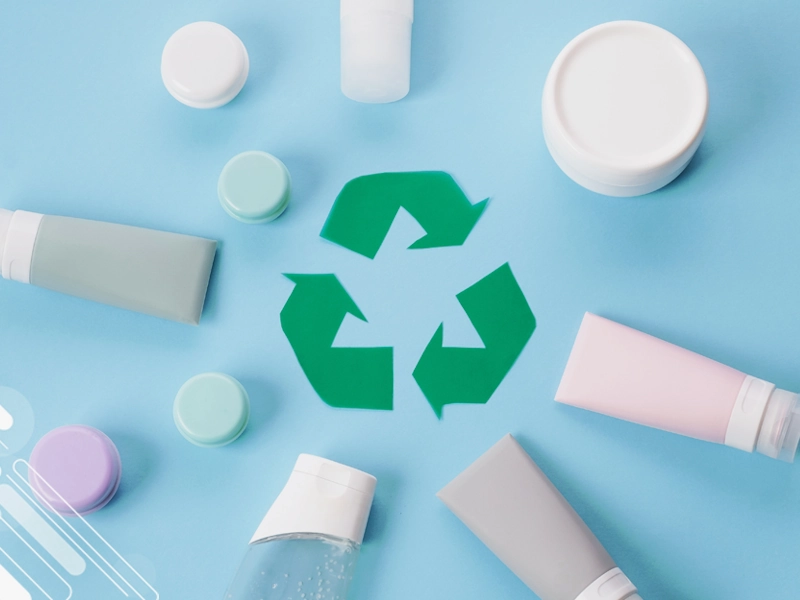
There are numerous changes in plastic packaging. In this regard, companies aim at reducing waste generation and minimizing negative impacts on the environment.
Customers prefer eco-friendly, safe, and simple packaging. As a result, brands tend to introduce new sustainable solutions when developing their packaging designs.
The biggest sustainability trends in plastic packaging 2024 show how businesses are improving packaging while keeping products safe and attractive.
Why Sustainability Matters in Plastic Packaging?
The reasons for the biggest sustainability trends in plastic packaging 2024 are associated with environmental challenges and demands from customers.
Today, most countries have stringent laws on waste generation. Consequently, businesses need to find ways of decreasing their negative impact on the environment.
The significance of plastic packaging remains high since it is responsible for protecting different products, including food and pharmaceutical products.
At the same time, businesses need to implement sustainable practices into their operations.
Rise of Recyclable Plastic Packaging
One major trend in 2024 is recyclable packaging. Many brands now design packaging that can easily go through recycling systems. This reduces landfill waste and supports a circular economy.
Recyclable plastic packaging offers several benefits:
- Reduces environmental pollution
- Saves raw materials
- Supports waste management systems
- Improves brand reputation
- Encourages responsible consumer behavior
Many companies now avoid mixed materials because they are difficult to recycle. Instead, they use single-material plastic packaging that recycling centers can process more easily.
Growth of Biodegradable Plastics
Biodegradable plastics are becoming more popular in many industries. These materials break down faster than traditional plastics under specific conditions. Companies use them to reduce long-term environmental impact.
Industries using biodegradable packaging include:
- Food and beverage
- Cosmetics
- Healthcare
- Retail packaging
- Personal care products
Some biodegradable plastics are made from natural sources like corn starch or sugarcane.
These materials help reduce dependence on fossil fuels. However, businesses still need proper disposal systems to ensure effective breakdown.
Increase in Recycled Plastic Content
Brands are adding more recycled plastic to packaging production. This trend helps lower the use of virgin plastic and supports recycling industries.
Recycled plastic is now used in bottles, containers, bags, and shipping materials.
Many governments also encourage the use of recycled content through new regulations. Businesses that use recycled materials can lower carbon emissions and reduce waste.
Here is a simple table showing common sustainable plastic solutions in 2024:
| Sustainable Solution | Main Benefit | Common Industries |
|---|---|---|
| Recyclable Plastics | Easier waste management | Food and beverage |
| Biodegradable Plastics | Reduced long-term pollution | Retail and cosmetics |
| Recycled Plastic Content | Less virgin plastic use | Consumer goods |
| Lightweight Packaging | Lower shipping emissions | E-commerce |
| Reusable Packaging | Reduced packaging waste | Retail and logistics |
Lightweight Plastic Packaging
Lightweight packaging is another important trend. Companies now design thinner and lighter packaging materials while keeping products protected. This reduces transportation costs and lowers fuel consumption.
Lightweight packaging provides many advantages:
- Lower shipping costs
- Reduced carbon emissions
- Less material usage
- Easier product handling
- Improved supply chain efficiency
Many food and beverage companies now use lightweight bottles and flexible packaging. This approach helps businesses save money while reducing environmental impact.
Expansion of Reusable Packaging Systems
Reusable packaging systems are growing in popularity. Some companies now offer refillable containers and returnable packaging programs. Customers can reuse the same packaging multiple times instead of throwing it away.
This system is common in:
- Grocery stores
- Beauty products
- Cleaning supplies
- Beverage packaging
Reusable packaging reduces waste and encourages sustainable habits. Although the setup cost may be higher, businesses can save money over time through repeated use.
Smart Packaging for Sustainability
Technology is also improving sustainable packaging. Smart packaging helps businesses reduce waste and improve product tracking. Some packaging now includes QR codes or sensors that provide product information.
Smart packaging can help companies:
- Monitor product freshness
- Reduce food waste
- Improve inventory management
- Increase recycling awareness
For example, QR codes may guide customers on proper recycling methods. This improves recycling rates and helps reduce contamination in recycling systems.
Eco-Friendly Printing and Inks
Packaging printing methods are becoming more environmentally friendly. Many companies now use water-based or soy-based inks instead of harmful chemical inks. These safer options reduce pollution during the printing process.
Eco-friendly printing also supports recyclable packaging because some traditional inks make recycling more difficult. Sustainable printing methods improve both packaging quality and environmental performance.
Brands also prefer minimal printing designs. Simple packaging designs use less ink and create a cleaner appearance.
Flexible Packaging Solutions
Flexible plastic packaging continues to grow in 2024. Flexible packaging includes pouches, wraps, and lightweight bags. These materials use less plastic compared to rigid containers.
Benefits of flexible packaging include:
- Lower material usage
- Reduced transportation weight
- Better storage efficiency
- Longer product shelf life
- Lower production costs
Flexible packaging is widely used in snacks, frozen foods, pet products, and personal care items.
Many businesses now develop recyclable flexible packaging to make it more sustainable.
Government Regulations and Industry Goals
Governments worldwide are introducing stricter packaging regulations. Many countries now require companies to reduce plastic waste and improve recycling systems.
Businesses that fail to follow these rules may face penalties.
Common sustainability goals include:
- Reducing single-use plastics
- Increasing recycling rates
- Using more recycled materials
- Cutting carbon emissions
- Supporting circular economy systems
Large companies are also setting their own sustainability targets for 2025 and beyond.
Consumer Demand for Sustainable Packaging
Customers play a major role in packaging trends. People now pay more attention to how products are packaged. Many consumers prefer brands that use eco-friendly packaging solutions.
Younger buyers especially support sustainable businesses. They often choose products with recyclable or reusable packaging, even if prices are slightly higher.
Social media also increases awareness about plastic pollution. Because of this, businesses must improve packaging practices to meet customer expectations and maintain a positive reputation.
Challenges in Sustainable Plastic Packaging
Although sustainability trends are growing, companies still face challenges. Eco-friendly materials can sometimes cost more than traditional plastics. Recycling systems also vary between countries and cities.
Some common challenges include:
- High production costs
- Limited recycling infrastructure
- Consumer confusion about recycling
- Material performance concerns
- Supply chain adjustments
Despite these issues, businesses continue investing in better packaging solutions. Technology and innovation are helping reduce costs and improve sustainability performance.
Future of Sustainable Plastic Packaging
The outlook for the future concerning plastic packaging seems to be increasingly sustainable than ever before. Organizations will continue developing innovative methods to help minimize wastage without affecting product safety and convenience.
Artificial Intelligence, together with sophisticated recycling technologies, could revolutionize waste management.
Early adoption of sustainable methods would give organizations an edge over competitors in the marketplace.
With time, as industrialization develops, sustainable packaging is expected to become mandatory in most industries.
Conclusion
In summary, the biggest sustainability trends in plastic packaging 2024 reveal that there is currently an increasing move towards eco-friendly packaging techniques.
Organizations are increasingly incorporating sustainability in their packaging by applying recyclable materials, biodegradable plastics, lightweight packaging, and reusable packaging.
Both governments and consumers encourage the use of sustainable packaging in organizations.

