

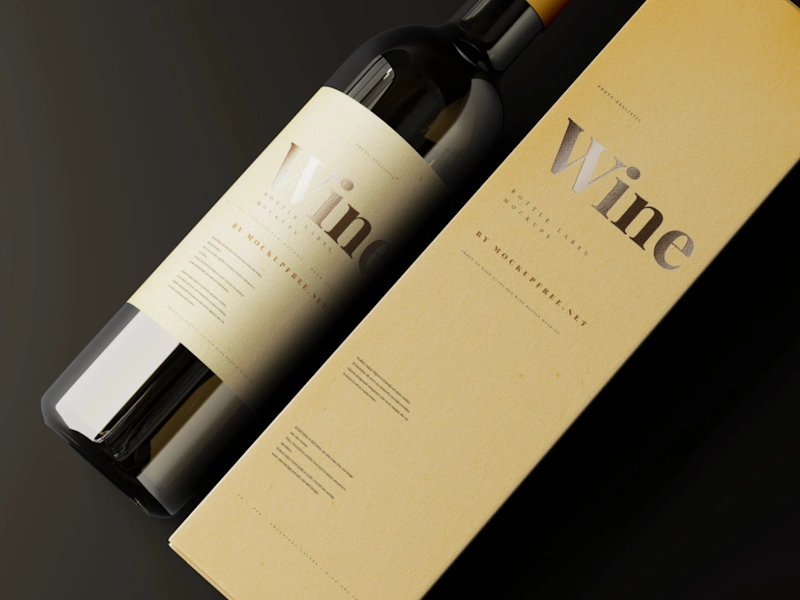
The market size and growth of premium spirits wine aluminum packaging trends 2025 market will experience unprecedented growth over the coming years because of the increasing demand for luxury products, sustainable packaging, and innovative designs.
In terms of market projections, the global market for wine packaging is expected to increase from USD 7.32 billion in 2026 to USD 12.57 billion in 2035 at a CAGR of 6.19%.
This growth is attributed to several factors, including changing consumer preferences, premiumization, and the adoption of more sustainable packaging solutions.
Premium Spirits Wine Aluminum Packaging Trends 2025
Premium Spirits Wine Aluminum Packaging Trends 2025 have been transforming how wines are packaged, marketed, and sold.
Premium wine packaging is now being designed to include aluminum containers to enhance the packaging process, increase product shelf life, and improve recycling efforts.
On the other hand, premium wines are incorporating unique aesthetic features into their bottles, which is appealing to millennials and baby boomers.
Market Expansion and Consumption Trends
Wine packaging is a growing industry, as there has been an increase in the consumption of wine across the globe, and there has also been demand for quality and handcrafted wines.
People have shown a preference towards wines that come in easy-to-consume packaging like cans and bags-in-boxes.
Increased sales through online platforms have led to innovative packaging designs as well, due to the need for safe transportation.
Wine packaging trends in developing countries have increased due to urbanization and economic growth.
Sustainability and Eco-Friendly Packaging Shift
Sustainability has become a central focus in the wine packaging industry as environmental concerns continue to rise.
Brands are shifting toward recyclable materials, lightweight glass, and biodegradable alternatives.
Consumers increasingly prefer brands that demonstrate environmental responsibility. Companies are also reducing carbon emissions by optimizing packaging weight and transport efficiency.
Sustainable packaging is no longer optional but a key competitive factor in global wine markets, especially in Europe and North America, where regulations are stricter.
Key Sustainability Trends in Wine Packaging
Sustainable packaging solutions are shaping industry innovation and consumer expectations.
Manufacturers are adopting eco-friendly strategies to reduce environmental impact and improve brand value. These trends are becoming standard across premium wine segments:
- Lightweight glass bottles reduce transportation emissions
- Recycled materials are widely integrated into production
- Bag-in-box and canned wine formats reduce waste
- Water-based inks and biodegradable labels are increasing
These developments highlight the industry’s commitment to long-term environmental responsibility and sustainable growth.
AI Integration and Smart Packaging Innovation
Artificial Intelligence is transforming wine packaging by improving efficiency, personalization, and supply chain management.
AI helps manufacturers optimize material usage, reduce production costs, and enhance design customization.
It also supports predictive analytics for demand forecasting and inventory control. Machine learning is being used to develop sustainable packaging materials more efficiently.
Additionally, smart packaging technologies are emerging, allowing brands to connect with consumers through interactive labels and digital storytelling features.
E-Commerce Growth and Digital Transformation
The rise of e-commerce has significantly influenced wine packaging requirements, driving demand for durable and secure packaging formats.
Online wine sales require protective packaging that ensures product safety during shipping.
Digital platforms also allow wineries to reach global consumers directly, expanding market access.
Social media marketing and digital branding are strengthening customer engagement.
As a result, packaging is now designed not only for physical appeal but also for logistics efficiency and online visibility.
Market Drivers Supporting Industry Growth
Several key drivers are fueling the expansion of the wine packaging market globally. Rising demand for convenience, premium experiences, and sustainability are the most influential factors.
Increasing urbanization and changing lifestyles are also contributing to higher wine consumption.
Technological advancements in packaging materials and closures are improving product safety and shelf life.
Additionally, regulatory changes and environmental policies are pushing companies toward eco-friendly innovation and reducing reliance on traditional packaging materials.
Market Restraints and Environmental Challenges
Despite strong growth, the industry faces environmental and cost-related challenges. Glass bottle production contributes significantly to carbon emissions due to energy-intensive manufacturing processes.
Transportation of heavy bottles also increases environmental impact and logistics costs. Waste generation from packaging materials like corks, labels, and capsules adds further burden.
Rising raw material prices and supply chain disruptions are also affecting profitability.
These challenges are pushing manufacturers to explore alternative packaging solutions and sustainable innovations.
Opportunities Through Advanced Packaging Technologies
Technological advancements are creating new opportunities in wine packaging, particularly through augmented reality and interactive labeling.
Brands are using digital storytelling to enhance customer engagement and brand experience.
Smart labels allow consumers to access product stories, vineyard information, and tasting notes. This innovation improves marketing effectiveness and consumer interaction.
Premium wine brands are also using creative packaging designs to strengthen shelf appeal. These innovations are redefining customer experience in the global wine market.
Regional Market Insights
The wine packaging market shows strong regional variation in growth and demand. Europe holds the largest market share due to its strong wine production culture and established industry infrastructure.
North America is driven by premium packaging trends and sustainability initiatives.
Asia-Pacific is the fastest-growing region due to rising disposable income, urbanization, and increasing wine consumption.
Latin America and the Middle East are also emerging markets, supported by growing awareness and expanding retail channels.
Asia-Pacific Growth Dynamics
Asia-Pacific is expected to witness the highest CAGR due to rapid urbanization and changing lifestyles.
Increasing middle-class income and growing interest in premium wines are driving demand.
Countries like India and China are experiencing strong growth in wine consumption.
Younger populations are more open to alternative packaging formats such as cans and single-serve bottles.
Expanding retail networks and e-commerce platforms are also supporting regional market expansion, making the Asia-Pacific a key future growth hub.
Competitive Landscape and Industry Players
Wine packaging is an intensely competitive business where innovation, sustainability, and expansion into the global market are key factors.
Some of the biggest names in this industry include Amcor Limited, Ardagh Group, Crown Holdings, Verallia, and O-I Glass.
A significant amount of effort goes into research and development to come up with new packaging that is lightweight, eco-friendly, and of superior quality.
There are also many competing small players in this market who offer innovative green products.
Conclusion
The global market of wine packaging is experiencing a dramatic transformation through innovation, sustainability, and changing customer preferences.
Premium Spirits Wine Aluminum Packaging Trends 2025 illustrate the significance of using lightweight material, sustainable practices, and intelligent packaging in the industry.
Premium Spirits Wine Aluminum Packaging Trends 2026 further highlight continued growth in eco-friendly aluminum solutions and premium product positioning.
In connection with the increasing demand for premium drinks and the integration of technology, the market of wine packaging is going to remain dynamic.
Those companies that adopt sustainability and innovative packaging practices will be well-positioned in the future.

