

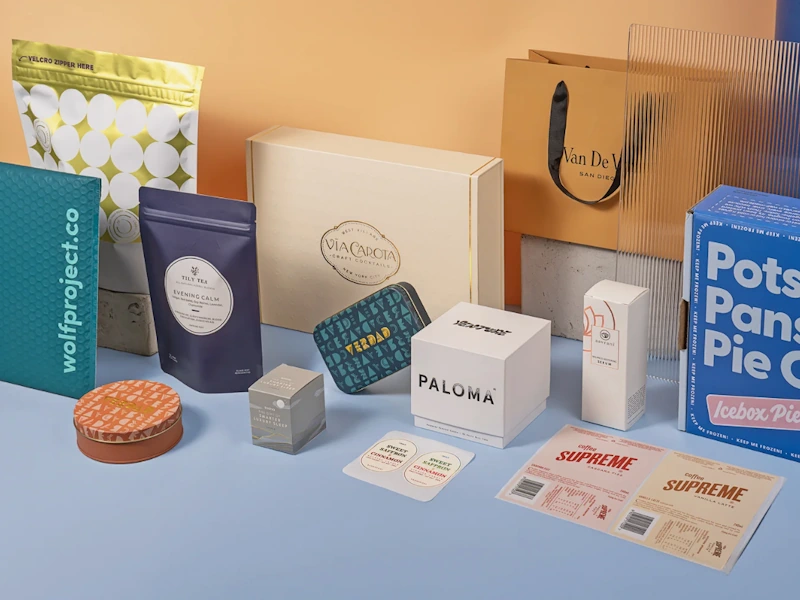
Packaging means covering and protecting a product so it stays safe. It also assists in making the product look good. Boxes, bags, bottles, and wraps are all packaging.
This is done in all the industries, both food and electronics. Packaging ensures the safety of items in storage and transportation. It also provides handy information to buyers.
Packaging today is not just used to keep the product safe but also to brand it. This can make products look appealing and recognizable.
Purpose of Packaging
Boxes for the products play an important role in keeping products safe and useful. This serves many purposes in daily life and business.
- Protects products from damage and other external factors
- Helps in the easy storage and handling of items
- Keeps products fresh for a longer time
- Provides important product information to customers
- Makes transportation simple and organized
It needs to create safe and stylish boxes. This makes products safe and ready for use.
Importance of Packaging in Business
All the brands need boxes to present and store their products. Packaging is very important for many reasons.
- Creates a strong first impression on buyers
- Helps build brand identity and recognition
- Makes products stand out on store shelves
- Increases customer trust and satisfaction
- Supports marketing and promotion efforts
- Adds value to the overall product experience
It needs to make your packaging unique because it is a reflection of your brand.
Types of Packaging
There are various types of packaging, depending on use and purpose. Both types have a specific purpose in the protection and presentation of products.
- Primary Packaging
The first layer helps to keep the item clean and safe. These can be bottles or small boxes. This coating is quite essential as it shields the product directly. The first layer is called primary packaging, which comes in touch with the customers.
- Secondary Packaging
Primary packages are grouped by using secondary packaging. This provides additional security and becomes easier to handle. Examples are cartons and out boxes. This also assists in branding and showing off.
- Tertiary Packaging
Shipping and bulk storage are carried out in tertiary packaging. This aids the transportation of large amounts of material. such as pallets, crates, and big boxes. This kind is largely deployed in warehouses and transportation.
In general, the purpose of any type of packaging is definite. They collaborate to deliver and present safely.
Materials Used in Packaging
Packaging is made using various materials depending on the requirements of the product. There are advantages and applications of individual materials.
- Paper and Cardboard
Paperboard and cardboard are printing-friendly and lightweight. They also recycle and are green.
- Plastic
It is resilient and pliable. This shields products against water and damage. Bottles and wraps are usually made out of this material.
- Glass
Liquids and food items are contained in glasses. This maintains the products as fresh and safe. This is a reusable material that is non-reactive.
- Metal
Metal is robust. This applies to cans and containers. This gives great defence against light and air.
- Green Materials
Environmentally friendly materials are ecologically friendly. Such materials minimize waste and pollution.
Finally, the type of material is based on the nature of the products and safety requirements. All materials are significant.
Modern Trends in Packaging
Packaging is changing with new ideas and technology. Modern trends focus on better design and natural methods.
- Use of sustainable materials
- Simple and clean packaging designs
- Smart packaging with QR codes and sensors
- Lightweight packaging to reduce cost
- Reusable and refillable packaging options
- Digital printing for better customization
Many US packaging companies now offer recyclable and biodegradable shipping boxes.
Kraft and cardboard are the materials that are commonly used. These are lightweight and easy-to-customize options. They also support environmental protection and are affordable.
Custom Packaging Solutions
They help brands create unique and special packaging. This allows businesses to design packaging based on their needs.
- Personalized Designs
Brands can choose colors and styles. There are several options that are helpful to present products uniquely and make brands noticeable.
- Custom Sizes and Shapes
There are different sizes and shapes that are created according to the products and industry requirements.
- Printing and Finishing Options
Different printing methods and finishes can be used. These include glossy to embossed effects.
Customization is the best option that increases brand appearance in the market.
Conclusion
Boxes are used to protect and present the products. But it needs special care and attention when it comes to making boxes for your products.
Packaging may be of different kinds and come in different materials. They all serve their purpose and advantage.
The current packaging is also designed with a special emphasis placed on the environment. Packaging helps businesses expand and reach out to customers.
Packaging is not a cover in a simple word. It is a major component in product success and branding.

