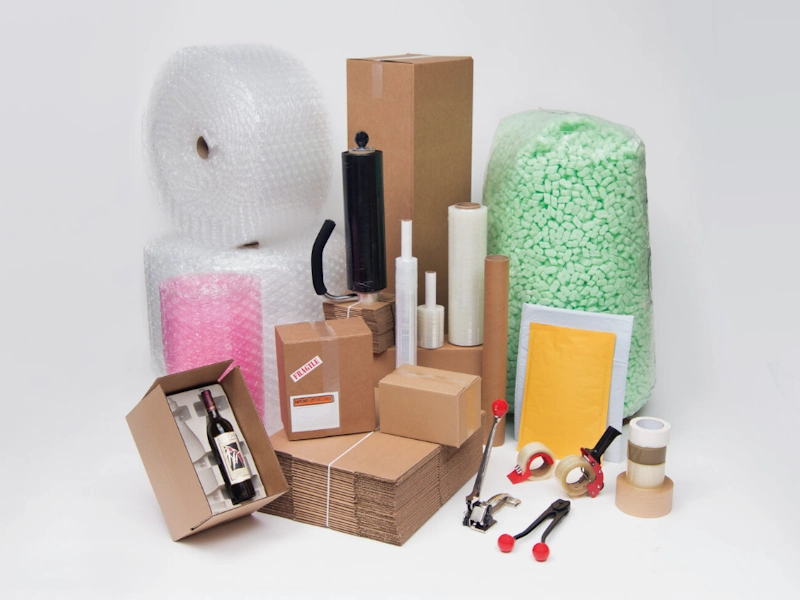
Delicate and fragile items need proper care and safe packaging. There are strict laws that businesses have to adhere to when packaging substances like chemicals, batteries, and pharmaceuticals.
The approved packing material for fully regulated items is are chosen based on factors like security, prevention of leaks, and transportation.
Some materials are specifically designed to provide protection against high temperatures, physical stress, and breakage.
Other materials can help absorb any liquid spillages. Proper selection of the packaging material ensures that everyone involved remains safe.
Understanding Fully Regulated Items
Products considered fully regulated refer to those governed by transport and safety regulations.
This is because these products are considered dangerous when shipped in the wrong packaging.
Such products include chemicals, lithium batteries, flammable liquids, and medical products.
These products should be packaged using strong and proven packaging material.
Packing should ensure prevention from leakage, shocks, and any possible fire hazards.
Both the government and transport organization make laws governing safe shipping procedures.
Some of these laws include:
- Packaging to avoid any form of leakage
- Products that cannot catch fire
- Strong packaging to withstand any shock
- Correct labeling and sealing
- Absorbent packaging materials
Why Packaging Materials Matter
Packaging materials play a major role in safe transportation. Dangerous goods can become harmful if containers break or leak.
The right material lowers these risks and keeps shipments stable during movement.
Strong packaging also protects products from temperature changes and moisture.
Some materials prevent chemical reactions. Others reduce damage caused by vibration and impacts during transit.
Good packaging provides:
- Better product protection
- Safe handling during shipping
- Compliance with transport regulations
- Reduced risk of accidents
- Lower product loss and damage
Businesses should always select packaging materials according to the type of regulated product being shipped.
Vermiculite: The Preferred Packaging Material
When discussing hazardous material packaging, vermiculite is often considered the safest choice.
In many shipping situations, the approved packing material for fully regulated items is vermiculite because of its absorbent and fire-resistant properties.
Vermiculite is a natural mineral with a lightweight structure. It expands when heated and becomes soft and absorbent.
This makes it useful for packaging dangerous or fragile products.
Properties and Uses of Vermiculite
Vermiculite works well for hazardous shipments because it absorbs liquid spills and cushions products during transport.
It fills empty spaces inside boxes and keeps products from moving.
It is widely used for:
- Chemical packaging
- Pharmaceutical shipments
- Lithium battery transport
- Flammable liquid packaging
- Leak-sensitive products
This material is also clean and easy to handle. Many companies use it inside drums, cartons, and leakproof containers for extra safety.
Advantages of Vermiculite
Vermiculite offers several important benefits for regulated shipments.
Its protective qualities help businesses follow transportation laws and reduce shipping risks.
Excellent Liquid Absorption
Vermiculite absorbs liquids quickly. This helps control leaks from hazardous substances.
It prevents dangerous liquids from spreading during transport.
Strong Cushioning Ability
Its soft structure protects delicate products from shocks and impacts. Fragile items stay stable even during rough handling.
Fire Resistance
Vermiculite naturally resists heat and fire. This makes it suitable for packaging flammable goods and lithium batteries.
Regulatory Compliance
Many transport authorities recommend absorbent materials like vermiculite.
It supports compliance with shipping standards created by organizations such as the US DOT and IATA.
According to IATA Packaging Instruction 350, inner containers should include enough absorbent material to absorb liquid contents if leakage occurs. Vermiculite meets this requirement effectively.
Applications of Vermiculite
Vermiculite is used across many industries because of its safety benefits. It is commonly added around containers to improve shipment protection.
- Industries using vermiculite include:
- Pharmaceutical companies
- Chemical manufacturers
- Battery suppliers
- Laboratory equipment businesses
- Hazardous goods transport services
Many businesses combine vermiculite with rigid outer boxes or drums for maximum protection.
Bubble Wrap: Common but Limited
Bubble wrap is a popular packaging material used for general shipping needs. It contains air-filled bubbles that reduce damage from impacts and vibration.
Although useful for regular products, it is not ideal for dangerous goods packaging.
Bubble wrap works best for products needing soft padding during delivery. However, it lacks important safety features required for fully regulated items.
Advantages of Bubble Wrap
Bubble wrap remains useful for non-hazardous shipments because it is lightweight and flexible.
- Good Shock Protection: The air bubbles help absorb impacts and reduce breakage during transportation.
- Easy to Use: Bubble wrap can be cut into different sizes and shapes. This makes packaging faster and more convenient.
- Lightweight Material: Its low weight helps reduce shipping costs for businesses.
Disadvantages of Bubble Wrap
Despite its benefits, bubble wrap cannot meet many hazardous packaging requirements.
- No Absorbent Properties: Bubble wrap cannot absorb leaking liquids. Hazardous spills can spread easily if a container breaks.
- Weak Regulatory Support: Transport agencies usually do not approve bubble wrap as the main packaging material for dangerous goods.
- Limited Fire Protection: Bubble wrap is plastic-based and may melt or burn when exposed to heat.
Applications of Bubble Wrap
Bubble wrap is suitable for ordinary products that need extra padding during shipping.
It is commonly used for:
- Electronics
- Glassware
- Decorative items
- Household products
- Office supplies
Many companies also use bubble wrap alongside stronger packaging materials for added protection.
Apparel Plastic: Not Suitable for Hazardous Goods
Apparel plastic is commonly used for clothing and textile packaging.
It protects garments from dust and moisture during storage and shipping. However, it is not designed for dangerous or fully regulated items.
This material is thin and flexible. It cannot protect products from impacts, leaks, or chemical exposure.
Advantages of Apparel Plastic
Although unsuitable for hazardous goods, apparel plastic still has benefits for regular packaging needs.
Moisture Protection: It helps keep clothing clean and dry during transportation.
Affordable Packaging Option: Apparel plastic is inexpensive and widely available.
Lightweight Design: Its light structure reduces shipping weight and packaging costs.
Disadvantages of Apparel Plastic
This material fails to meet important safety standards for regulated goods.
Weak Product Protection: It does not provide strong cushioning or leak resistance.
- Poor Spill Control: Apparel plastic cannot absorb liquids or contain dangerous leaks.
- Regulatory Non-Compliance: Hazardous goods regulations require stronger and safer packaging materials.
Applications of Apparel Plastic
Apparel plastic works best for products that only need dust and moisture protection.
These include:
- Clothing items
- Textile products
- Fabric accessories
- Fashion garments
- Retail apparel packaging
It should never be used as the primary packaging material for hazardous shipments.
Importance of Following Packaging Regulations
Transport rules exist to protect workers, customers, and the environment. Dangerous goods can cause fires, injuries, and contamination if packed incorrectly.
Businesses should always review shipping guidelines before selecting packaging materials. Using approved materials improves safety and reduces legal risks.
Important factors businesses should consider include:
- Product type
- Leak risks
- Fire hazards
- Transport method
- Packaging strength
- International shipping laws
Companies that follow regulations build trust and avoid shipment delays or penalties.
Conclusion
Safe transportation starts with proper packaging choices. Hazardous products need materials that prevent leaks, absorb impacts, and resist fire.
In many shipping situations, the approved packing material for fully regulated items is vermiculite because it provides absorption, cushioning, and regulatory compliance.
Businesses must understand packaging requirements before shipping regulated items.
Using the right materials improves safety, supports compliance, and protects products during transportation.
Leave a Reply