

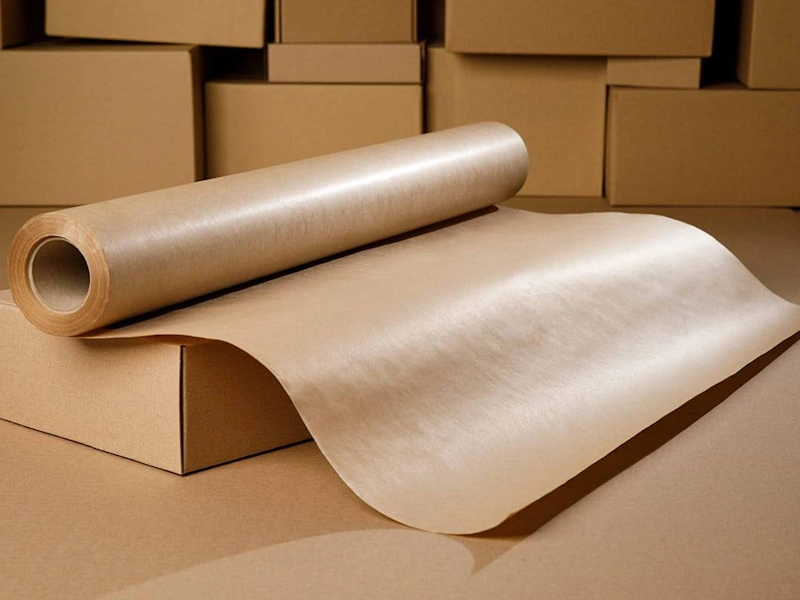
It is a strong, eco-safe paper made from wood pulp. It has rustic appeal, good recyclability, and a firm feel. Kraft Paper is often used where both strength and safety are important. The Kraft paper is eco-friendly and sturdy enough to use.
It has considerable tear-resistance and has good capacity to bear weight. This paper is simple in form, easy to recycle, but reliable in use. It does not tear easily.
Many people choose it for daily packing needs. Its clean surface and plain color make it easy to recognize. It is useful in many industries today.
Kraft Paper Basics You Should Know
Kraft paper starts with natural wood fibers. These fibers are pressed and dried to form sheets. The paper feels firm and slightly rough. It is made to handle pressure and weight.
The Kraft paper appears natural and hard with its eco-friendly properties. IT is affordable and safe. It remains stable throughout the packing and handling. This paper is often sold in sheets or as a Kraft paper roll for flexible use. It can be cut, folded, or shaped with ease.
The paper keeps its strength even after handling. It also resists tearing better than many other papers. These basics explain why it is widely used in packaging and storage tasks.
Process of Making Kraft Paper
It is a durable paper made for strength and everyday use. This paper supports safe handling and attractive packaging. It also fits well with modern packaging needs.
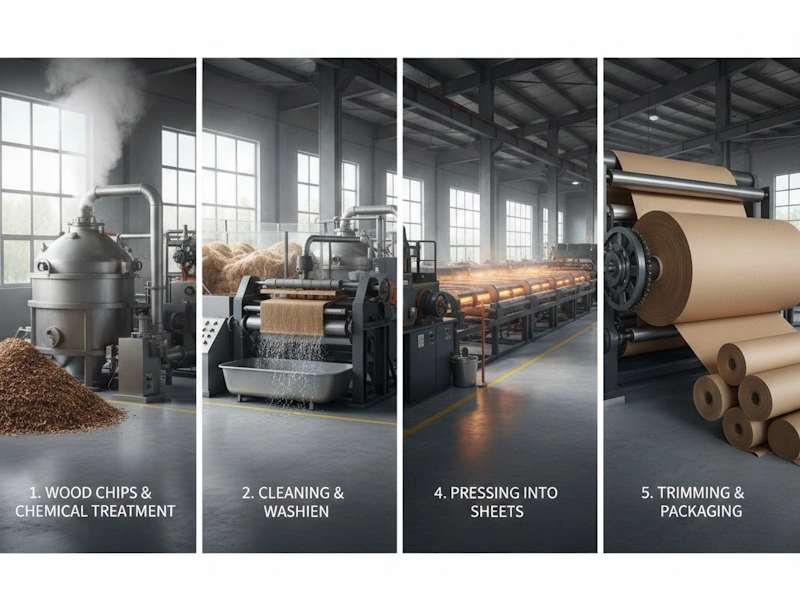
From storage to shipping, it remains a trusted material across different uses. The process begins with wood chips.
These chips are treated with heat and natural chemicals. This step helps separate strong fibers from weak ones.
Steps to Make Material
Next, the fibers are cleaned and washed. They are then pressed into thin layers. Water is removed during drying. The sheets are flattened and trimmed.
This method keeps the fibers long and strong. That is why the final paper feels tough. The process focuses on strength, not shine, which defines the paper’s core quality.
Main Features of Kraft Paper
Kraft paper has several features that make it easy to use. These features explain why it is chosen for many tasks. Below are the main points that describe its nature.
- High Strength: The paper holds well. It does not tear quickly during use.
- Natural Texture: The surface feels raw and plain.
- Good Flexibility: It bends easily without breaking. This helps during wrapping and folding.
- Breathable Material: Air can pass through it. This helps protect packed items.
- Easy to Cut and Shape: It can be trimmed or folded without tools. This saves time during use.
- Reliable for Daily Handling: The paper stays firm even after repeated handling.
These features work together to make the paper useful. It supports safe packing and effective storage. Because of its balanced properties, it fits many practical needs.
This combination of strength and simplicity defines its role in packaging and handling tasks.
Kraft Paper: The Premium Option for Packaging
Kraft paper works well for packaging needs. It protects items during storage and transport. The paper holds shape and supports weight. It is often used as kraft wrapping paper because it covers products attractively.
The surface grips well and stays in place. This helps reduce damage. The paper also stacks well in boxes. It does not slip easily.
These qualities make it suitable for safe packing. It offers a practical solution where strength and simplicity are required.
Specifications of Kraft Paper
Kraft paper has a soft, earthy color. The tone comes from natural fibers. This gives it a calm and clean look. Many people recognize it as brown kraft paper because of this shade.
The color stays consistent across sheets. It does not need an extra coating to look attractive. The plain appearance helps focus on function.
It also blends well with other materials. This natural look makes the paper easy to match with different packaging styles.
Several Customization Options for Kraft Packaging
Kraft packaging allows many changes without losing strength. These options help adjust the paper for different needs. Below are common customization areas.
- Printing Options
Printing can be added to the surface. Simple text or symbols work best. The paper absorbs ink evenly. This keeps details clear and readable.
- Finishing Choices
Finishes help change the surface feel. A matte finish keeps the natural look. Light coatings can add smoothness while keeping strength.
- Style Variations
The paper can be folded into many shapes. Boxes, wraps, and covers are common. These styles support different packing needs.
- Design Options
Designs stay simple and clean. Natural tones work well. Minimal patterns help maintain clarity and function.
Each option supports practical use. Custom changes do not reduce durability. They help adapt the paper to different tasks. With these choices, Kraft Packaging remains flexible while keeping its core strength.
Styles of Boxes in Kraft Material
The various styles are appropriate in different ways, such as for storing and wrapping gifts. The following are some of the typical Kraft box styles.
- Mailer Boxes
- Drawer Boxes
- Sleeve and Tray Boxes
- Folding Cartons
- Tuck Boxes
- Gable Boxes
Kraft boxes are strong and simple. They are used for shipping or presentations. They are easily tailored to suit virtually any requirement whilst ensuring products remain safe and presentable.
Add Value to Brand Image with Kraft Packaging
Kraft packaging supports a clean and honest image. It shows care for function and clarity. The material looks simple and thoughtful. Using it helps present items in an organized way.
The plain surface avoids distraction. This keeps the focus on the product itself. The strong structure also reflects reliability.
When packaging performs well, it builds trust. These points help create a steady and professional image without extra effort.
Conclusion
It is a strong paper made from natural fibers. Kraft paper is eco-friendly and soft. This is sustainable and can be folded. It is effective wrapping and packaging.
It is valued for durability and everyday use. Kraft Paper offers a simple solution for packaging and handling. Its strength, texture, and flexibility make it reliable.
The paper fits many needs without complexity. Because it performs well and looks natural, it remains a practical choice across many industries today.

