

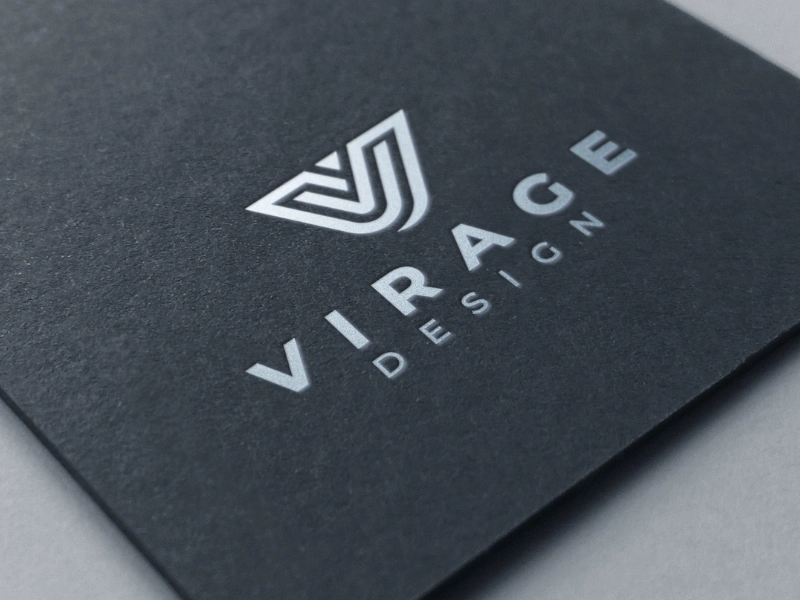
It is a print technique that deposits a thin film of foil onto a surface. The foil is placed on paper or packaging with the help of heat and pressure.
The foil stamping produces shine and contrast without any ink. It is frequently employed in order to outline text or minor details.
This is a technique that is created about appearance rather than colour fill. It cuts a variety of materials. The procedure is specific and regulated. It is selected due to its good and clear graphic effects.
Foil Stamping: A Versatile Option for Packaging
It suits simple and elaborate designs. The technique applies to boxes, sleeves, and labels. Foil stamping helps provide contrast without requiring intense printing.
Designers apply it to focus attention on important areas. The foil layer is retained on the surface. It does not percolate into the matter.
This maintains edges clean and sharp. It is also compatible with both dark and light backgrounds. The process favors classic and modernistic designs.
How Foil Stamping Works?
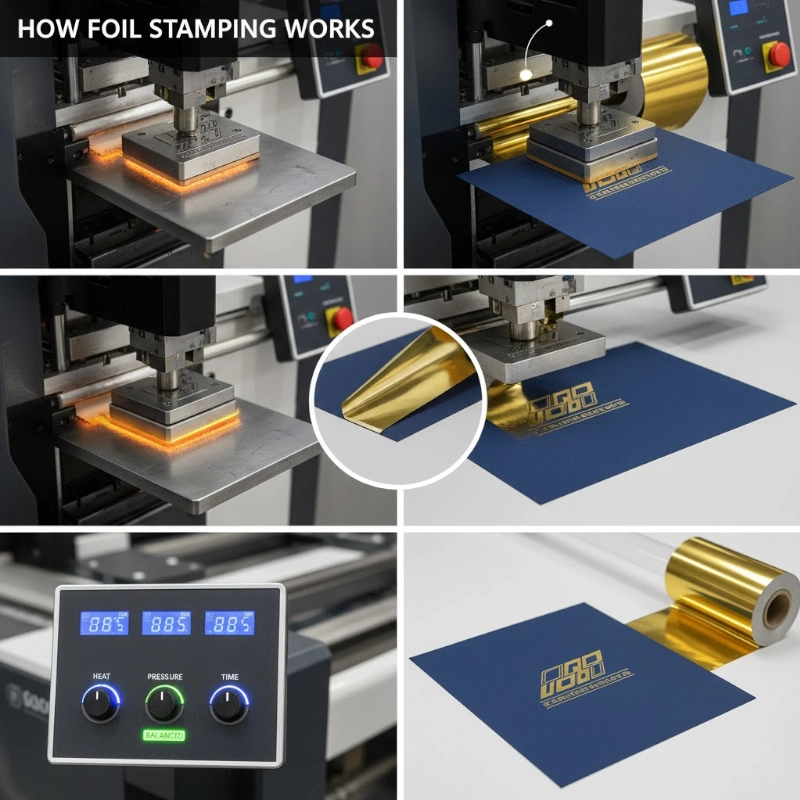
This process uses heat and pressure with a metal plate. The plate holds the design shape. The foil sits between the plate and the material. When pressed, the foil sticks to the surface.
A hot foil stamping machine controls the heat level. It also controls pressure and timing. These settings must stay balanced.
Too much heat can damage material. Too little pressure can cause weak results. The process needs careful setup.
Eco-Friendly Design Option for Packaging
Foil stamping has both limits and benefits. Traditional foils are not always recyclable. They can affect paper recycling if overused.
However, many modern foils are thinner. Some are made with less waste. It also uses no liquid ink. This reduces ink runoff and drying energy. The process is dry and clean.
It creates little mess. When used in small areas, its impact stays low. Eco results depend on material choice and use level.
Types of Foil Stamping
Foil stamping comes in different types. Each type serves a specific purpose. The choice depends on design needs and material.
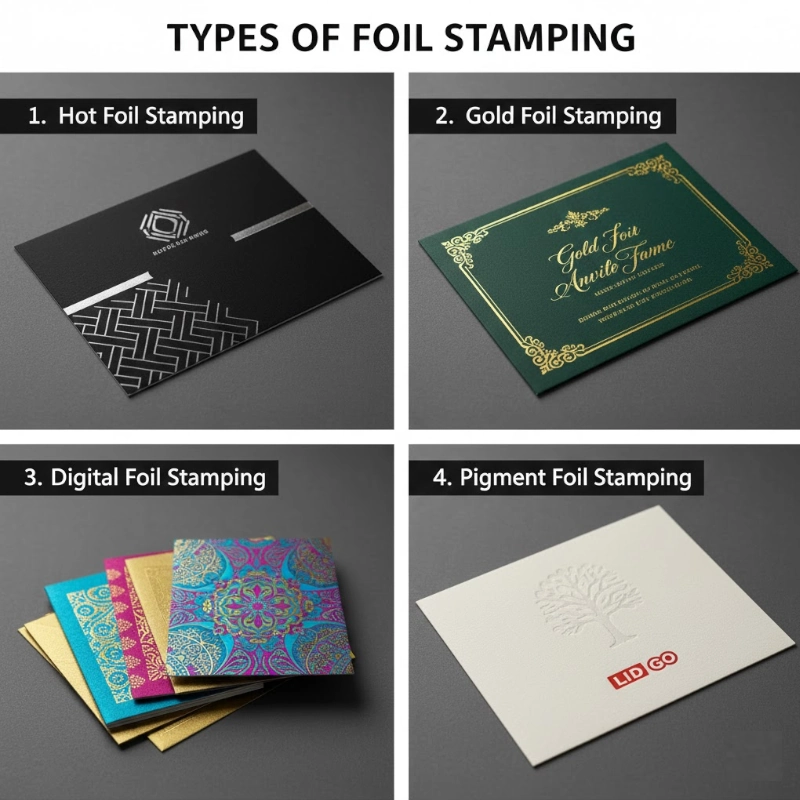
- Hot Foil Stamping
It uses heat and pressure. Foil is deposited on the surface by means of a metal plate. It forms sharp edges and develops high shine. This technique is appropriate for paper and board materials.
- Gold Foil Stamping
An adhesive is employed rather than heat. The adhesive is attached where the foil is. It is compatible with more printing lines. The technique is applicable to light materials and soft wrappings.
- Digital Foil Stamping
Digital foil stamping requires the use of digital plates. No physical die is needed. It favours short runs and rapid changes. This one is appropriate for custom and small batch packaging.
- Pigment Foil Stamping
Pigment foil stamping involves colored foil, which has no shine. It gives a flat look. This alternative is appropriate for delicate designs. It is non-reflective and contrasting.
Each of the types has a different outcome. The correct decision is based on design and budget objectives.
The Most Suitable Materials To Add to an Attraction
Foil stamping is applicable to most materials. The most widespread one is paperboard. Cardstock contributes to clean results as well. Foil can be admired on some types of plastics. It can also be done with leather and fabric.
Each material needs testing. The smoothness of the surface influences adhesion. Surfaces that are covered work better.
Surfaces without coatings create fewer hard edges. Foils are available in different finishes and thicknesses.
Foil Stamping vs Regular Printing
Foil stamping and regular printing serve different roles. Ink absorbs into the material. Foil stays on the surface. Regular printing supports large images and text.
Foil printing works best for highlights. Regular printing is faster for full designs. Foil stamping printing focuses on detailed areas.
Each method has limits. Many designs use both together. The choice depends on the design purpose and the material type.
Unique Packaging Styles Suit Best Foil Detailing
This is the best method that can enhance many styles. It adds focus without heavy design changes. Some styles benefit more than others.
- Rigid Boxes
Rigid boxes have firm surfaces. Foil stamping stays sharp on them. It highlights logos and titles. This style suits structured packaging with clean edges.
- Folding Cartons
Folding cartons are flexible. Foil adds contrast to flat panels. It helps guide attention. This works well for product names or borders.
- Sleeves and Wraps
Sleeves offer limited space. Foil helps small details stand out. It adds clarity without crowding the design.
- Labels and Tags
Labels need fast reading. Foil draws the eye to key text. It improves readability in small areas.
Each packaging style responds differently. Foil stamping works best when used with purpose. It should support the layout, not replace it.
Foil Stamping and Finishes To Create Custom Packaging
Foil stamping often works with finishes. These combinations affect the look and feel.
- Matte Finish
Matte finish softens the surface. Foil stands out more against it. This contrast keeps designs clear and controlled.
- Gloss Finish
Gloss finish adds shine. Foil blends smoothly with it. This pairing creates layered reflection without clutter.
- Embossed Finish
Embossing raises the surface. Foil follows the shape. This adds depth and touch detail.
Each finish changes the final result. Testing helps choose the best match.
Custom Ways to Apply Metal Printing On Packaging
Many ideas are used to customize your packaging with these foil printing methods.
- Highlight Your Logo: Make your brand logo glitter and glamorous.
- Highlight Product Names: Foil product names on packaging.
- Decorative Patterns: Introduce a low-profile pattern or border to show brand style.
- Limited Edition Labels: Foil can be used to label special or seasonal editions.
- Accent Text/Taglines: Pop important messages or slogans.
- Brand Colors in Foil: Choose a foil color that matches your brand.
- Luxury Touch: Foil will imply high quality and beauty.
All these methods are ideal to make your packaging unique.
Enhance Brand Identity with Foil Stamping
Foil stamping is used by the brands to focus attention. It assists in highlighting significant information. Logos, names, and symbols are more visible. Foil does not create noise of color; it is contrast.
It supports clean layouts. The technique is effective in small regions. This keeps designs balanced. In other instances, foil stamping also takes longer than ink. It resists fading.
Brands prefer it to be clear and not ornamented. It is to be well-organized and focused rather than over-designed.
Conclusion
Such a process of foil being applied to the packaging via pressure and heat is better known as foil stamping. The foil is left on the top, and it provides contrast.
In this process, it does not have any ink. This approach is appropriate in numerous package designs. It works on paper and board.
In its proper use, it endorses clean design. It is in the process that one can understand how to make better packaging decisions.

