

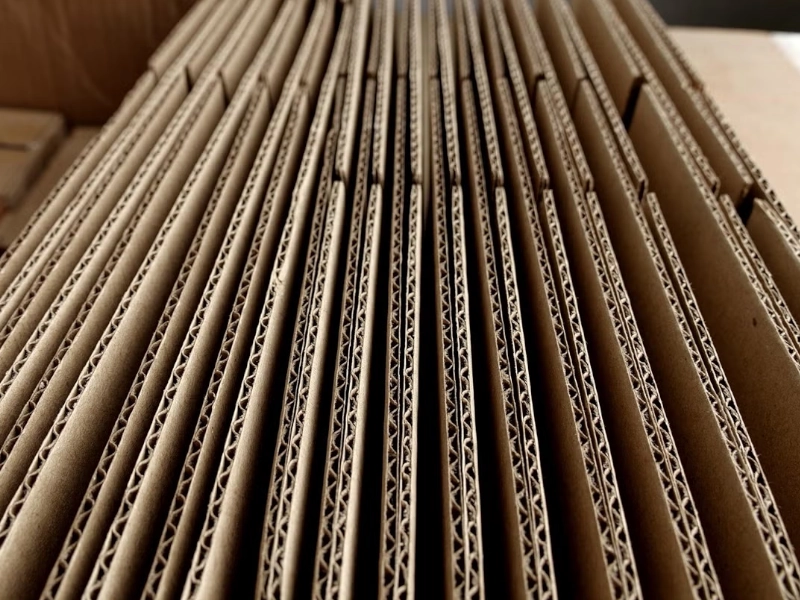
A thick material that is based on paper is cardboard. It is ideal for packaging and storage. It is perfect for packaging because of its strength.
It is paper-free and lighter than wood. It is used to secure, store, and relocate products safely by people.
Cardboard boxes are used in shipping and organizing products on a daily basis. This is easy to shape and easy to handle.
That is why it is widely available. These qualities make it suitable for many practical uses across different industries.
How Cardboard Comes to Life?
Cardboard starts with wood pulp taken from trees. The pulp is cleaned and processed into paper sheets. They are pressed and dehydrated to eliminate dampness.
To improve strength, manufacturers combine flat paper layers with fluted layers. This structure adds support and cushioning. It is a process that is concerned with balance, strength, and consistency.
Each procedure guarantees that the end product will be able to withstand weight and pressure. This is ideal for everyday handling without tearing easily.
Types of Cardboard Materials
There are various kinds of boards that come to fulfill various needs of packaging. All of them vary in strength and thickness.
- Solid Bleached Board
It has a smooth and clean white surface. It feels even on both sides. This material works well for lightweight packaging.
It supports clear printing and sharp edges. It is often used when attractive appearance and uniform texture are important.
- Folding Boxboard
This is made with multiple paper layers. The intermediate layer provides thickness but does not add any extra weight.
It is easy to fold and is able to maintain its shape. This is why it is applicable in cartons and small packages that require structure and not heavy-duty.
- White Lined Chipboard
It is made with recycled layers of paper on the inside, and its exterior remains clear to print on. It is thicker and more rigid.
This type of material is commonly selected when the control of costs and the reuse of material are more essential than the perfection of the surface.
- Corrugated Material
This material has fluted layers in between flat sheets. The shocks and strength are reinforced by the flutes.
Corrugated cardboard is better than flat boards in terms of pressure. This one is usually applied in the transportation and storage of heavier objects.
Every cardboard material has its distinct use. This option is determined by the weight and usage requirements.
The Structure of Cardboard Sheets
These are made using layered paper construction. Flat outer liners provide surface strength and stability. Inner layers add thickness and cushioning.
This structure helps spread pressure evenly across the surface. It also absorbs minor impacts during handling.
Manufacturers adjust the number and type of layers based on strength requirements. The layered design on cardboard sheets allows cardboard to remain lightweight while still offering reliable support for packaging and storage tasks.
Cardboard Walls That Define Strength
Cardboard strength depends on wall construction. Wall types differ by the number of fluted layers inside the material. Each type supports different weight levels and handling conditions.
- Single Wall Cardboard
It has one fluted layer between two liners. It works well for light to medium-weight items. This type offers basic protection.
It is commonly used for everyday packaging where stacking pressure remains low.
- Double-Wall Cardboard
This wall type includes two fluted layers. This increases strength and stiffness. It handles heavier loads better.
It also resists crushing during stacking. This type suits shipping items that need extra support during transport.
- Triple Wall Cardboard
Triple-wall cardboard contains three fluted layers. It provides high strength and durability. This type supports heavy loads and rough handling. It is often used for industrial storage and bulk shipping.
Wall selection affects performance. It is a strong material and safe because it supports cardboard recycling.
This feature allows materials to be reused and reduces environmental impact. Choosing the right wall type improves safety and reduces damage risks.
Common Uses of Cardboard
Cardboard appears in many everyday applications.
- Shipping and transport packaging
- Retail and product boxes
- Food and beverage containers
- Storage and organization solutions
- Inserts, dividers, and padding
These uses show how cardboard supports protection and structure. Its simple design allows it to fit different needs. Cardboard remains useful because it is easy to handle and adapt.
Cardboard vs Other Packaging Materials
Cardboard differs from other packaging materials in several ways.
- It is lightweight and easy to carry
- Plastic resists moisture but bends easily
- Metal is strong but heavy and costly
- Wood supports weight but adds bulk
Each material has advantages and limits. Cardboard offers a balanced option for many uses. It combines strength, flexibility, and efficiency without adding unnecessary weight.
Strength and Durability of Cardboard
It provides reliable strength for its weight. The layered structure helps distribute pressure evenly. Fluted layers absorb shock during movement.
The thickness and type of wall, as well as conditions of handling, are the determinants of durability. Stacking is enhanced by proper design.
Statistics on moisture weakening of fibers show that damage can be minimized by careful storage. Cardboard is effective in controlled conditions, whereby it is dry handled.
Flexible and Customizable
Cardboard is easy to modify and shape. This makes it suitable for different packaging designs and functional needs.
- Die Cutting
Die cutting allows precise shapes and openings. It helps create custom sizes and styles.
This technique works well for cardboard boxes that need accurate folding and fitting. It ensures consistent results during large production runs.
- Printing
Printing adds text, patterns, and symbols to cardboard surfaces. It supports clear information display.
The surface accepts ink easily. This method helps with labeling, instructions, and basic design without affecting material strength.
- Finishes
There are different options, and the most commonly used are emboss and deboss. They add allure and attraction to the packaging. Embossing raises designs on the surface.
Embossing brings out the design on the surface. They are pressed inwards using debossers.
These methods bring out texture and details. They enhance the handle and surface characteristics without additional materials.
- Coating and Lamination
They provide protection to the surface. Wear resistance is enhanced by lamination. These are techniques that assist in diminishing surface damage. They also enhance the handling and storage durability.
Through these forms of customization, the cardboard is able to adjust to various practical needs.
Conclusion
A cardboard is a ply-based paper that is utilized to protect and store. It is strong, flexible, and easy to handle. All these attributes justify its popularity.
The daily use of cardboard demonstrates how simple materials can be utilized in the case of pragmatic requirements.
The cardboard is also dependable as it can be used in various ways, as it is still light and easy to handle.

