

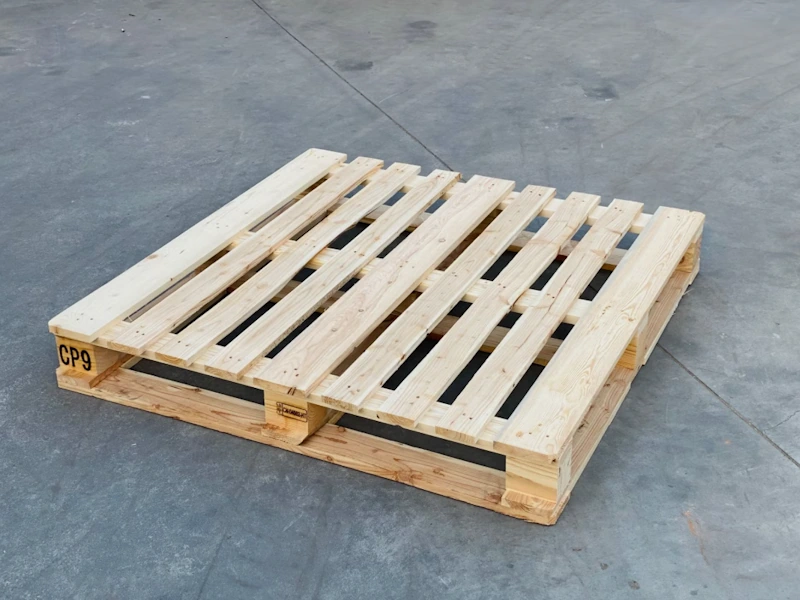
A pallet is a flat surface applied in warehouses, but it is far more than just that. It is a vital factor in the storage, handling, and transportation of products throughout the globe.
It is a powerful frame that will carry and transport heavy equipment without risks.
Why are Pallets Used?
It enables products to be pushed with the help of machines, such as forklifts or conveyors. This simplifies carrying heavy loads without using manual labor.
The goods are normally loaded on the pallet and fastened with either straps or plastic wrapping.
The whole load can be transported in one go when the items are placed inside the packaging.
The system helps save time and effort while also improving the safety aspect in the warehouse and factory settings.
A variety of different platforms have been created for different purposes over time. Every platform comes with its own set of specifications and suitable scenarios for its application.
You can find free pallets at hardware stores, furniture shops, flower stores, garden supply centers, and feed and farm supply shops. You can also look around construction sites for available pallets.
Types of Load Platforms and Their Uses
It is important to know about the kinds of pallets. A variety of options can be purchased from the market depending on the pallet weight. Choosing the right one will depend on the kind of load.
Handling process and storage facilities are also important things to consider.
Wooden Platforms
They are the most widely used option around the world. These are made from natural timber or engineered wood and formed into a flat and sturdy base.
- Strong and can carry heavy goods
- Suitable for many industries
- Easy to repair and reuse
- Stackable to save storage space
- Cost-effective for businesses
- Easily available in the market
- Can be reused for furniture and décor
They may have minor drawbacks, such as nails. Splinters affect handling safety if not managed properly.
Plastic Platforms
These synthetic bases are widely used in industries where hygiene is a top priority. They can be food processing and pharmaceuticals.
- Lightweight design reduces shipping costs
- Much lighter than wooden options
- Easy to clean with chemicals or steam
- Do not absorb moisture
- Suitable for all weather conditions
- Highly durable with a long lifespan
- No nails or sharp edges for safe handling
Plastic pallets have become a strong alternative to wooden ones with modern advancements.
They also work well in automated warehouses where machines control movement and storage.
Cardboard Platforms
These bases are a modern and eco-friendly solution. They are manufactured with natural materials. These options are extremely light. They are often much lighter than wooden alternatives.
- Lightweight yet supports a good load
- Easy handling reduces injury risk
- Produces minimal waste
- Ideal for eco-friendly businesses
- Easy to recycle after use
- Custom shapes and sizes available
Brands can print logos or designs on them. They make them useful for both transport and marketing.
Metal Platforms
These are famous for offering special strength and durability.
- Handles extreme weight easily
- Performs well in harsh conditions
- Resistant to fire and pests
- Made from steel or aluminum
- Highly reliable for heavy-duty use
- Heavier than other options
- More expensive than alternatives
- Ideal where strength matters most
Presswood Platforms
These are made from compressed wood fibers or chipboard. Although less common, they are widely used in international shipping.
- Lightweight and easy to handle
- Suitable for medium loads
- Stackable design saves space
- Helps reduce storage and transport costs
- Meets international shipping standards
- No extra treatment required
- Ideal for export use
Why These Platforms Matter in Logistics?
Handling bases have revolutionized how goods travel within the chain. Previously, transporting goods took much manual effort and time.
Huge amounts can be carried conveniently and securely in one process. Efficiency and organization are other benefits that come along with this solution.
This equipment allows storing products in stacks to optimize the available space. One more major advantage is that it ensures the safety of employees.
They do not have to move heavy things physically, so there will be no injuries.
Effect on Warehouse Flooring
Even though handling bases provide many positive features, their usage can affect industrial floors.
This is because of constant contact with the ground due to carrying hefty weights. These platforms can create marks and scratches on warehouse floors with their wheels.
Dangers like falling off the machine can also lead to some damage to the floor. To prevent it, companies invest in special flooring for warehouses. Maintenance also plays an important role here.
Conclusion
Its design may appear quite primitive, but its role in the universe of contemporary logistics cannot be overestimated.
Both made of wood and any other material, they have their own applications.
The understanding of which one to utilize can allow for enhancing efficiency to decrease the costs without harming the safety of the goods delivery process.
The industries are growing and expanding at an unprecedented pace, hence there can be no doubt that pallets will continue to be of great significance in the future also.

