

Packaging plays an important role in how products are stored and delivered. It is not only about covering something. It also assists in maintaining the product’s safety and handling.
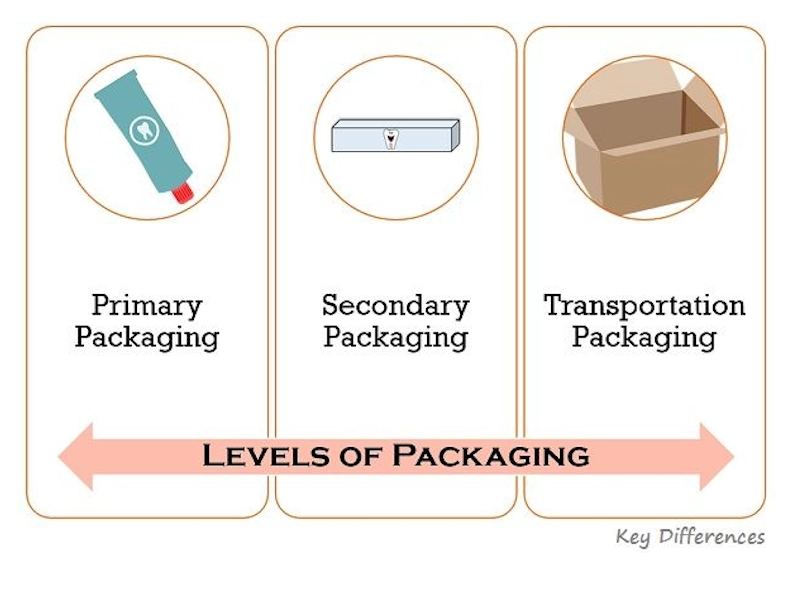
Product packaging in the packaging industry is normally done in three levels. These are primary, secondary, and tertiary packaging. The purpose of every level is different.
It comes in direct contact with the product and those that are used to group and ship.
All these types of packaging are used to ensure that products are safe throughout their transportation out of the factory to the customer.
Main Types of Packaging
Packaging is generally divided into three main types. There are three types, and each type plays a different role in protecting and presenting the product.
- The first layer that keeps the item safe and fresh is the primary packaging. This is the packaging customers usually see first.
- Secondary packaging comes next. It holds multiple primary packages together. It also helps with branding and display in stores.
- The third type is used for shipping and bulk storage. It helps move large quantities of products from one place to another.
All three packaging types work together to protect products and improve handling.
Differences In All Three Kinds
They vary in purpose and location in a packaging system.
- The nearest packaging to the product is the primary packaging. It puts the object directly in its hands and secures it against air, moisture, or destruction.
- The primary packaging is enclosed by the secondary one. Its primary task is to bundle products. It also simplifies the storage and display of retailers.
- The outermost is the tertiary packaging. It is applied in the transportation and shipping of goods in bulk. Such packaging simplifies the work with heavy loads and ensures their safety.
They are all important to provide protection and make a business brand.
Primary Packaging
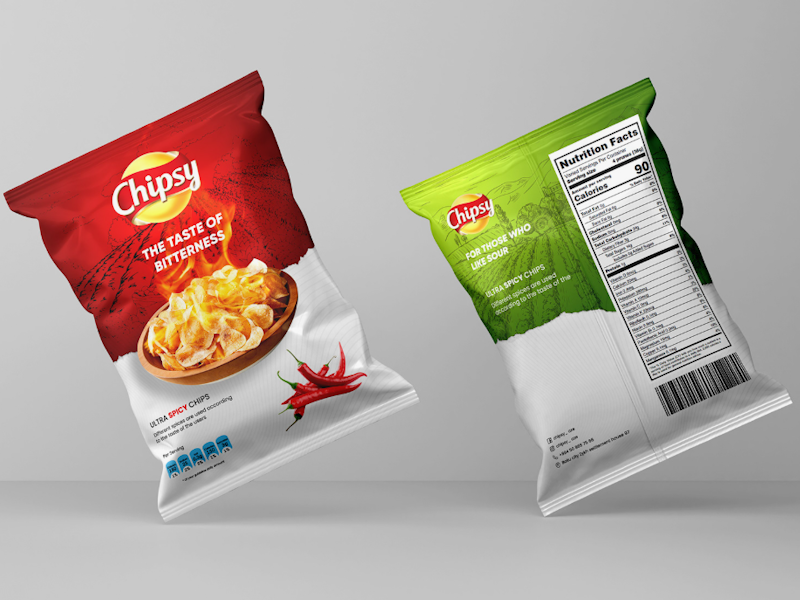
The first layer that is in direct contact with the product is the primary packaging that prevents damage. It maintains the product as fresh and safe to use.
Primary packaging is normally the first point of contact for customers. Product information is another key role of primary packaging.
Labels and other instructions are normally printed on this layer. This will aid customers in the knowledge of the product.
Primary packaging is also designed to preserve product quality that also improves the user experience.
- Flexible pouches are used for snacks, sauces, and many food items.
- Jars are often used for creams and spreads. They are versatile. That is why they are easy to use for many products like cosmetics.
- Wrappers are ideal to cover different items like chocolates.
This type is essential because it is seen outside and it reflects brands.
Secondary Packaging
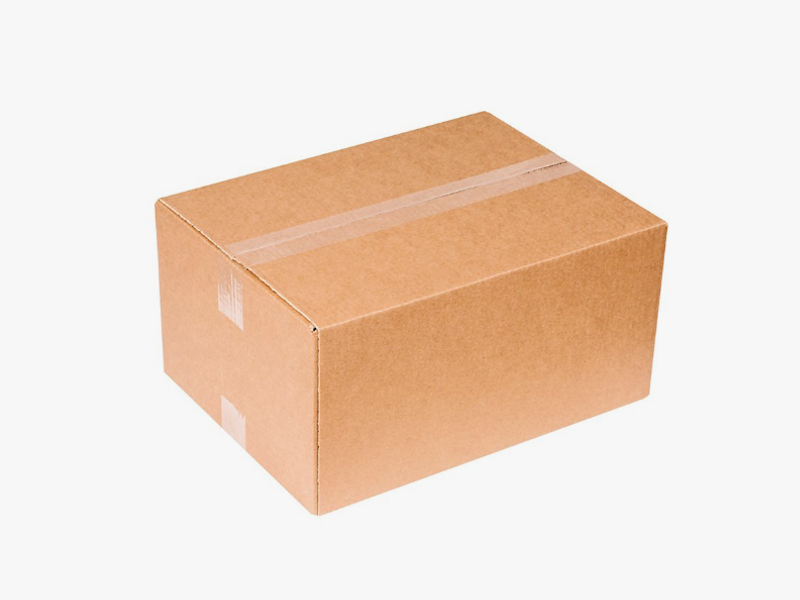
It is the second level of packaging that surrounds the primary packaging and does not touch the product directly.
This type also makes the products to be organized and easier to organize and store. Product presentation is also important. Secondary packaging is used by various brands to present their products in stores.
Such boxes usually contain product images and the colors of the brand. This assists in attracting customers and enhancing product exposure.
Added protection is also another advantage of secondary packaging. It cushions the main packaging against light damage and handling in storage as well as transportation.
- Carton boxes are widely used to hold products such as cereal boxes and cosmetic items.
- Display boxes help showcase products on retail counters and shelves.
- These boxes hold several individual products together, such as packs of drinks or snacks.
- A printed sleeve can wrap around products or boxes to add branding and extra protection.
Secondary packaging improves product organization and retail presentation. It also assists retailers in controlling products with ease.
Marketing is also done using this layer by packaging designers. Creative design and printed messages make the brands shine in shelf stores.
Tertiary Packaging
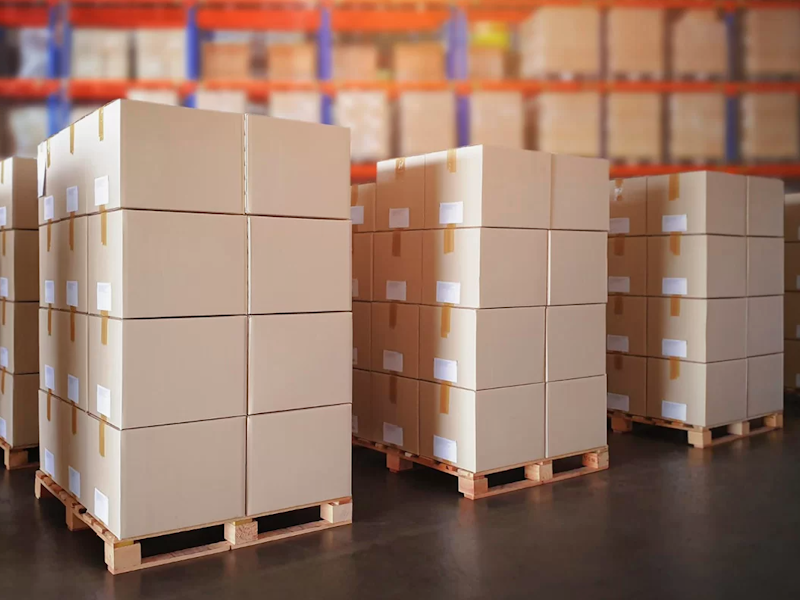
This is the outermost layer used for bulk handling and transportation. This is the external layer for bulk handling and storage with transportation. Customers do not normally see it.
It safeguards products throughout a long route and avoids damage at the time of loading and unloading. Large quantities of products are packed.
These boxes are easy to transport with the help of machines such as forklifts and pallet jacks. Time in transportation is also saved in tertiary packaging.
It enables large quantities of products to be consolidated within a single huge loading.
- Pallets are flat platforms that are used to move boxes in bulk.
- Heavy products are enclosed using stretch film to ensure that they remain stuck.
- Products are shipped in large corrugated cartons in bulk.
- Transporting heavy or fragile products is done in wooden or plastic crates.
Tertiary packaging plays a key role in safe logistics and bulk product handling.
Importance of Packaging Levels
These are important because they work together to protect products at every stage. Primary packaging preserves the product and makes it fresh. It is also useful in enabling the customers to use the product.
Secondary packaging enhances their outlook on store shelves. It also ensures additional security in storage and handling.
The third type is used to facilitate transportation and bulk shipping. It assists businesses in the transport of vast amounts in a safe and efficient way.
Conclusion
Packaging does not simply involve wrapping a product. It is used in a significant way in protection and transportation.
They are all that is ideal to make sure that products arrive at the consumers in a safe and good state. This system ensures that modern-day packaging is more efficient and reliable.

, secondary (grouping/branding), and tertiary (shipping in bulk).)