

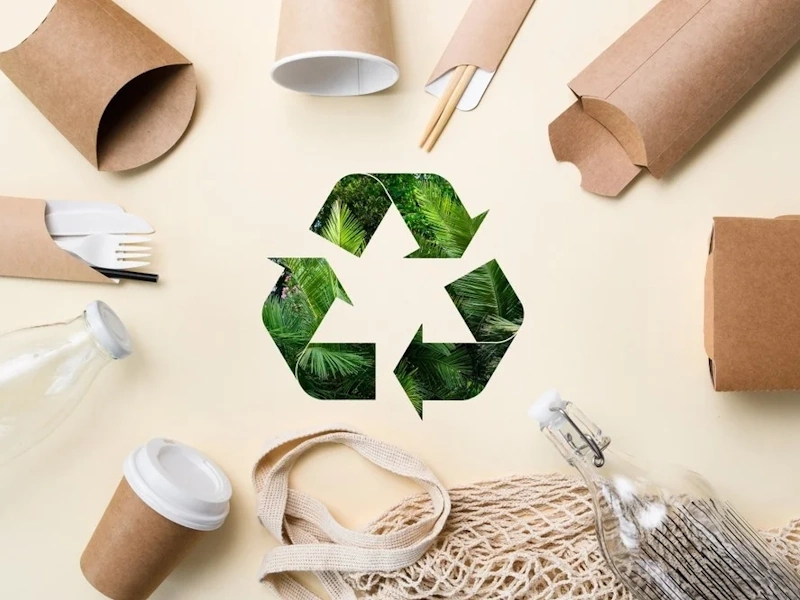
The industry of packaging in the world keeps developing with more and more brands and customers insisting on sustainable options to single-use plastics.
One of the most remarkable ideas that is making news is Papedeckel, a cardboard lid offering an environmentally friendly, recyclable, and biodegradable option for cups, containers, and takeaway packaging.
The recent Packaging Industry News claimed that Paddedeckel is quickly gaining popularity among foodservice providers, beverage companies, and consumer-packaged goods (CPG) brands that want to lessen their environmental impact, even though performance and convenience remain intact.
Pappedeckel, which literally translates to “cardboard lid,” is made from renewable paperboard or recycled fibers and designed for composting and recycling.
Unlike traditional plastic lids that contribute to long-term environmental pollution, Pappedeckel breaks down naturally, aligning with circular economy principles and corporate sustainability commitments.
Many manufacturers have enhanced these lids with water-based coatings that resist moisture and heat while remaining fully recyclable, making them suitable for hot and cold beverages, desserts, and other packaged goods.
Consumer awareness, regulatory pressure, and corporate sustainability are creating forces that are causing the adoption of Papeddeckel.
Single-use plastics are becoming more and more restricted by governments in Europe and North America, and brands are looking to find alternatives that could fulfill the needs of the environment and meet the expectations of consumers.
In the context of businesses, the implementation of Paddedeckel in the packaging strategies proves to be a proactive solution to sustainability, and the brands become the leaders of the market with an image of an environmentally responsible one.
In the foodservice and beverage sectors, Pappedeckel provides both practical and marketing benefits.
Coffee shops, ice cream parlors, quick-service restaurants, and takeaway providers are incorporating these cardboard lids to replace plastic options, ensuring secure closure for containers while offering a platform for branding and communication.
The surface of Pappedeckel allows companies to print logos, messaging, or promotional graphics, allowing brands to connect with eco-conscious consumers while reinforcing their sustainability narrative.
Other than food and beverage, the broadness of Paddedeckel has been realized in the cosmetics, personal care, and retail packaging business.
Eco-friendly containers made using cardboard lids are being considered by the brands, which will help maintain a steady, sustainable packaging strategy along the product lines.
This flexibility and customizability of design allow Paddedeckel a special niche in the market as both useful and attractive packaging.
According to industry analysts, the cardboard and fiber-based packaging solutions, such as Paddedeckel, are in the market, and they are increasing steadily.
There is a growing trend, and consumers prefer brands that offer sustainable packaging systems, and businesses that implement such mechanisms have an upper hand in the competitive markets.
With the growing importance of environmental awareness as a purchasing decision, Pappedeckel provides companies with a concrete method of proving their dedication to the reduction of plastic waste and also fulfilling practical packaging requirements.
The environmental benefits of Pappedeckel extend beyond recyclability. Unlike plastic lids, which can persist in the environment for centuries, cardboard lids decompose quickly in composting conditions.
Many products are enhanced with water-based coatings to resist moisture and heat, ensuring durability during use while preserving recyclability.
This combination of strength, safety, and environmental responsibility makes Pappedeckel an ideal choice for companies seeking to balance functionality with sustainability.
Brands can also incorporate traceability or interactive experiences, or any other promotional material on the lid with print capabilities that support digital graphics and QR codes.
This will have a two-fold advantage of improving brand interaction as well as achieving the sustainability goal.
Paddedeckel shows how eco-friendly design can support the contemporary marketing strategy as the packaging changes to incorporate both functional and interactive aspects of packaging.
Challenges remain in the widespread adoption of cardboard lids. Ensuring consistent performance for hot liquids, long-term storage, or transport-intensive applications requires ongoing innovation in material composition and coatings.
Educating consumers about the benefits of cardboard lids over plastic is also essential for driving acceptance.
Industry observers suggest that as awareness grows, demand will continue to increase, particularly among brands that prioritize environmental responsibility and transparency.
Future growth prospects for Pappedeckel are strong. Investment in research and development is expanding to enhance durability, moisture resistance, and compatibility with automated packaging machinery.
Manufacturers are exploring next-generation materials and coatings that maintain eco-credentials while improving performance under diverse conditions. This innovation ensures that Pappedeckel remains a viable and competitive alternative to traditional plastic lids for the foreseeable future.
The adoption of cardboard lid solutions is aligned with broader industry trends toward circularity and sustainability.
As governments implement stricter regulations on plastic use, brands that integrate recyclable and biodegradable packaging gain both regulatory compliance and market differentiation.
By embracing this option, businesses can demonstrate commitment to environmental stewardship, reduce waste, and appeal to increasingly eco-conscious consumers.
As the demand for sustainable packaging continues to grow, Pappedeckel is expected to expand its presence in international markets.
Companies adopting cardboard lid solutions benefit from faster regulatory approvals, positive brand perception, and improved alignment with sustainability reporting standards.
The combination of environmental, operational, and marketing advantages positions Pappedeckel as a leading choice for forward-looking brands.
The case of Paddedeckel introduction and adoption depicts the way the packaging industry is addressing challenges in the global market, like plastic waste, scarcity of resources, and pressure from regulatory bodies.
By providing a high-quality alternative to plastic lids, which is viable and consequently, Pappedeckel enhances the goals of a circular economy and supports the idea of packaging as a means of positive changes in the environment.

