

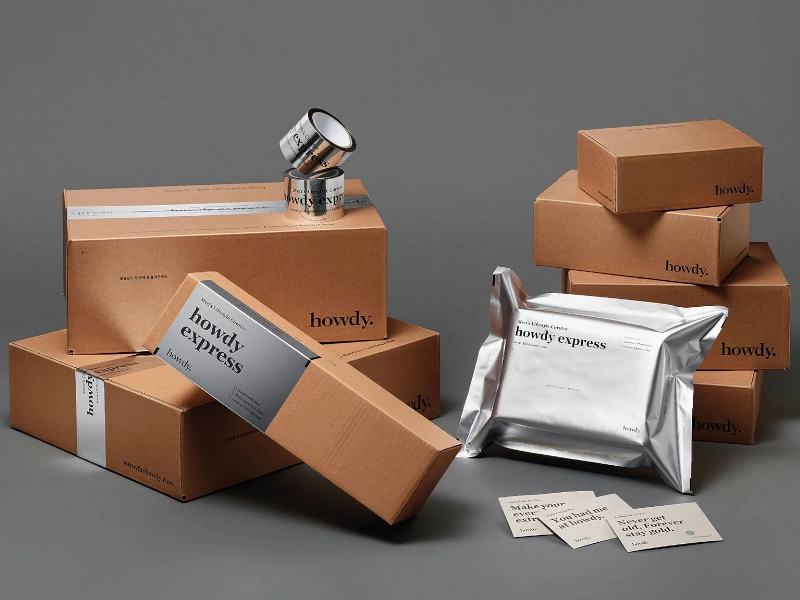
The process of packaging follows distinct processes that transform an idea into a complete box. Every step is determined and has an order.
This is done to develop safe and usable packaging. Packaging production begins with planning and ends with delivery. Teams decide the design. Materials are selected.
Printing and shaping follow. The one stage builds up on the other. This technique brings about strength, accuracy, and consistency. This is aimed at creating packaging that is easy to store, handle, and transport.
Inside the Packaging Process
The packaging procedure has a systematic approach. The stages relate to each other. There is nothing that is coincidental in this system.
Planning starts first. Design comes next. After approval, production processes take place. All the activities are aimed at precision and discipline.
Materials are measured. Designs are tested. Machines are set carefully. Employees verify the progress at every stage. This helps avoid errors.
The process is also resource and time-saving. Through a well-defined workflow, the packaging production can remain consistent and reproducible across any type of box.
From Idea to Clear Plan
Packaging production begins with an idea. This idea defines the box’s purpose. It also defines size and use. The idea then turns into a plan. The planning stage sets clear goals. Teams decide box type and quantity. Timelines are set.
Technical needs are listed. This step removes confusion later. A clear plan helps every team member understand the task. It also helps prevent delays and waste during production.
Choose the Right Packaging Material
Material choice affects strength, cost, and use. This step needs careful thought. The accurate use of material influences the cost of strength.
This is a step that should be thought through. The box work is supported by the right material.
- Cardboard
It is widely used because it is light and easy to shape. Cardboard suits many box styles.
- Kraft Paper
This material has a natural appearance. It has good tear strength. It is suitable when there is simple packing.
- Rigid Board
It offers a lot of strength because it holds its shape well. A rigid board is used for premium boxes. The testing needs and limits are the end of the material selection.
Design That Fits the Box Shape
The design should be in accordance with the shape of the box. When it is a good design, it fits well. It is in line with folds and panels.
Designers manipulate layouts to eliminate cuts and bends. There is a selective placement of text and images. Nothing of any consequence is on the sides.
This helps maintain clarity. Easy assembly is also made with the help of a suitable design.
In the case of the alignment between design and structure, the box appears clean and balanced.
Building the Box Structure Layout
Box layout is used to determine the form of the box. It depicts cuts, folds, and panels. This arrangement directs machines and employees. Accuracy matters here. Waste is even created by minor mistakes.
Tests of layout are done prior to complete production. Adjustments are made early. This measure will make sure that boxes are folded properly.
It also provides strength in areas of stress. A good layout facilitates easy production in the future.
Printing That Brings Designs to Life
Printing adds visuals to packaging. It transfers the design onto the material. This step needs precision. Machines are set to correct pressure. Ink coverage is checked.
Sheets move at a controlled speed. Printing happens before cutting. This keeps surfaces flat. Clean printing improves readability.
It also ensures designs appear as planned. Quality printing supports a professional finished look.
Keeping Colors Clean and True
Color accuracy matters in packaging. Colors must look the same on every box. This step focuses on control. Color samples guide the process.
Machines are adjusted to match shades. Light and ink levels are checked often. Test prints help spot errors early. This reduces variation.
Consistent color improves clarity and recognition. Clean color output shows attention to detail.
Building the Box Structure Layout
Box layout is used to determine the form of the box. It depicts cuts, folds, and panels. This arrangement directs machines and employees. Accuracy matters here.
Waste is even created by minor mistakes. Tests of layout are done prior to complete production. Adjustments are made early.
This measure will make sure that boxes are folded properly. It also provides strength in areas of stress. A good layout facilitates easy production in the future.
Printing That Brings Designs to Life
Printing adds visuals to packaging. It transfers the design onto the material. This step needs precision. Machines are set to correct pressure. Ink coverage is checked.
Sheets move at a controlled speed. Printing happens before cutting. This keeps surfaces flat. Clean printing improves readability.
It also ensures designs appear as planned. Quality printing supports a professional finished look.
Keeping Colors Clean and True
Color accuracy matters in packaging. Colors must look the same on every box. This step focuses on control. Color samples guide the process.
Machines are adjusted to match shades. Light and ink levels are checked often. Test prints help spot errors early. This reduces variation.
Consistent color improves clarity and recognition. Clean color output shows attention to detail.
Cutting Boxes with Perfect Shape
Cutting gives the box its final form. This step follows strict guidelines. Accuracy is essential.
- Sheets are aligned before cutting.
- Die-cut shapes with fixed pressure.
- Edges are checked for a smooth finish.
- Waste pieces are removed quickly.
After cutting, the boxes hold their shape. Proper cutting supports easy folding. It also prevents weak edges. This step completes the flat box form.
Folding and Sealing the Box
Folding turns flat sheets into boxes. Crease lines guide this step. Machines or hands follow exact paths. Sealing holds the box together.
Glue or locks are applied carefully. Strength is tested after sealing. Poor sealing leads to failure later.
Proper folding and sealing ensure stability. This step prepares boxes for real use.
Adding Special Surface Effects
Surface effects change the box’s feel and look. These are added after printing.
- Gloss Finish
It creates shine. It makes colors appear brighter.
- Matte Finish
Matte gives a soft surface. It reduces glare.
- Textured Coating
Texture adds grip and depth. It improves handling.
These effects are checked after application.
Final Check for Quality and Strength
Boxes are checked for quality. This step finds defects. Boxes are inspected closely. Reviewed are size, shape, and print. Regard is put to the test by pressure tests.
Weak boxes are removed. This sees to it that good units only proceed. End test safeguards users and handlers. It also establishes that the process went as intended.
Safe Packing and Smart Storage
Boxed products should be handled safely. Stacks stay balanced. Storage space remains clean and free. Temperature is controlled.
Packages are not stored in harm’s way. Bending and marks are avoided by using smart storage.
This is done to ensure quality is safeguarded prior to shipment. It is also easy to maintain inventory.
Prepared and Sent for Delivery
After the storage boxes have been transferred to the delivery, orders are tallied and coded. Routes are planned.
Boxes are loaded carefully. Handling rules are followed. This minimizes damage during transportation.
Production is finished with delivery. Its packaging is now available in its last destination.
Conclusion
The production of the packaging follows some straightforward, clear steps until the end. This process is a cumulative process that produces a useful box.
Each step counts from planning to delivery. Design of materials, printing, and checks are all involved.
This process is not random, and packaging remains strong, consistent, and reliable to achieve its purpose.

