

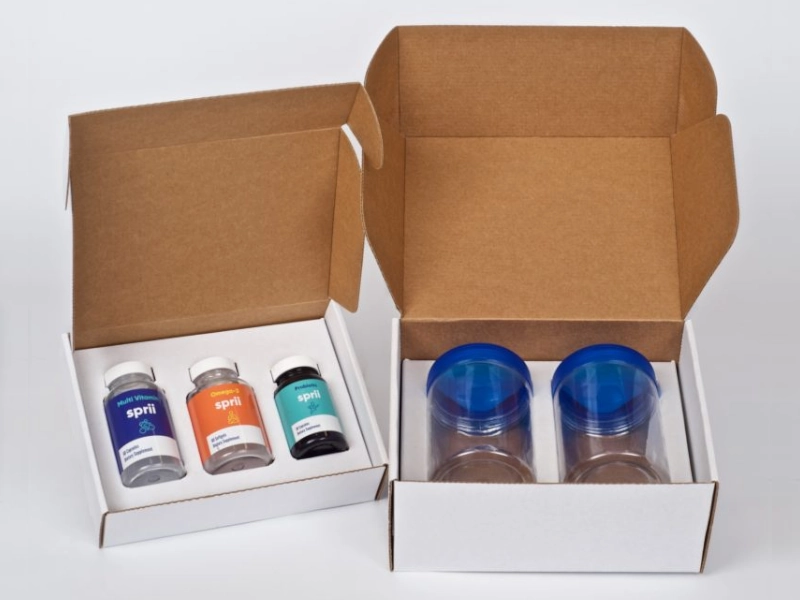
The transportation of glass products needs proper attention and materials. Glass breaks quickly when it is shifted or pressured during transportation.
There is a strong packaging system that helps the items remain stable between pickup and delivery. It is easy to minimize the risk with the use of strong boxes and spacing.
Every detail is important, starting with the choice of the box up to its sealing and labeling.
When your glass remains unbroken on all levels, it will arrive at your customers in a top-notch shape and make them trust your method of shipping.
Choose the Right Box Strength for Glass Items
Box strength contributes significantly to the safety of glass. Weak boxes flex under pressure and exert stress on weak objects.
In cases of thick corrugated boxes, always have solid walls. The box is not supposed to bulge under the weight of the glass.
The fit should be tight to prevent intra-hump movements. Large boxes can be moved around, whereas when the boxes are tight, they become a source of pressure.
Glass is held down by the right balance. Strong boxes will also resist the weight of stacking when transporting to the location and limit the possibility of cracks or breakage.
Add Protective Inserts Are Essential for Glass Shipping
Protective inserts help hold glass items in place during transit. They create space and prevent direct contact with box walls.
- Cardboard partitions separate items inside one box
- Die-cut supports hold products in fixed positions
- Paperboard frames protect edges and corners
- Spacer panels reduce movement during handling
Each insert type adds stability and control. With proper placement, it inserts lower shock impact and stops sliding.
This extra layer of support keeps glass safe from sudden movement and pressure.
Types of Inserts Used for Fragile Glass Products
It is important to choose the right kind that improves safety and control. Each option serves a specific purpose.
· Cardboard Dividers
They are suitable for various glass products in a single box. They also avoid friction and contact.
· Die-Cut Paperboard Supports
Glass is firmly attached by custom-cut supports. They are compatible with the product shape and restrict movement.
· Edge Protectors
Weak areas are covered with corner and edge guards. They minimize drop or compressive damage.
· Suspension Inserts
These inserts keep glass from being attached to the walls of the boxes. They take impact absorption via spacing as opposed to padding.
The insert options are useful to regulate motion and pressure. The selection of the appropriate one is determined by the shape of the glass and shipping.
Double Boxing with Inserts for Extra Fragile Glass Items
The technique of double boxing protects fragile glass. Put the product in a smaller box with linings. Now put that box into another box of a bigger size.
This discontinuity takes up foreign force. The outer box is used to withstand crushing forces and harsh treatment.
Pads in the two boxes assist in maintaining balance. The process is effective in shipping over long distances and in glass products with a high value.
Insert Design Tips for Different Glass Shapes
The insert design should match the glass shape for the best protection. Poor fit leads to movement and stress.
- Use corner guards for square or angular glass
- Add neck supports for bottles and tall items
- Choose circular holders for round glass pieces
- Support flat glass along the edges and the center
A well-fitted insert keeps weight balanced. It also protects weak areas. Proper design improves safety and lowers breakage risk during transit.
Select Durable Corrugated Boxes for Glass Shipping
Corrugated boxes offer strength and shock resistance. Choose boxes with multiple layers for added protection. Thicker walls handle stacking pressure better.
Quality corrugation helps absorb impact during drops. The box size should match the product without excess space.
Reinforced corners add extra safety. Durable boxes maintain shape during transport. This stability keeps glass safe from stress and sudden force.
Use Wrap for Shock Absorption
Wrapping glass items reduces the impact from sudden movement. Wrap should cover the full surface, including corners. Secure layers keep glass from shifting inside the box.
Wrapping also protects against surface scratches. Each layer adds a buffer between the item and outside pressure.
Proper wrap placement supports inserts and box strength. This combination lowers break risk during handling and transport.
Sealing Techniques to Keep Packages Secure
Strong sealing keeps boxes closed and stable. Use pressure-sensitive tape for firm holds. Apply tape across seams and edges. Reinforce the bottom to prevent collapse.
Proper sealing stops dust and moisture entry. It also keeps the inserts in place. A well-sealed box maintains structure during movement.
This small step prevents accidents caused by box opening or shifting.
Label Packaging as Fragile for Safer Handling
Clear labeling alerts handlers to package sensitivity. Place fragile labels on multiple sides. Bold text improves visibility. Labels guide careful stacking and movement.
While labels do not replace protection, they add awareness. Proper marking reduces rough handling risk.
It also helps carriers identify special care needs. Clear labels support safer delivery for glass shipments.
Weight Distribution Tips for Glass Shipments
Evenly distributed weight eliminates stress on weak areas. Pile heavy goods on the bottom. Maintain the glass in the middle of the box. An imbalance in weight leads to tilt and stress.
Positioning is controlled by using inserts. Stacking safety also enhances proper balance.
Even distribution will minimize the impact force on drops. This is a technique that prevents cracks in glasses due to the imbalance of pressure.
Moisture Protection for Glass During Transit
A wet environment is harmful to packaging materials. Use liners to block humidity. Close the seal boxes with the help of tight caps to avoid the entrance of water.
Labels and outer layers are insulated against the dry weather. The control of moisture also avoids slipping inside the box.
Stable packaging materials shape superiorly. This coating prevents the glass from breaking during long transportation.
Conclusion
Shipment of glass products takes planning and care. Clear labeling, good wrapping, strong boxes, and proper inserts collaborate.
Every layer of protection is provided by a step. The risk of damage reduces when the glass shape and weight are supported by the packaging.
Sensitivity leads to the safe delivery and satisfaction of the customers. Glass shipping is stress-free and trustworthy when smart decisions are made on packaging.

