Category: Retail Packaging

  • Consumer Packaged Goods CPG Industry

    Consumer Packaged Goods CPG Industry

    The consumer packaged goods CPG industry is experiencing steady global expansion.

    It operates based on basic necessities like food, drinks, personal care items, and household products.

    It is expected to experience a growth rate of 4.1% during the period between 2026 and 2035, when the market will increase from USD 2,491.83 billion to USD 3,577.46 billion.

    Consistent growth in the market demonstrates significant demand for its products.

    Factors such as growing population, urbanization, and lifestyle changes keep fueling the market’s expansion and stability.

    Market Expansion, Segmentation, and Regional Dynamics

    The market comprises a number of segments such as food, beverages, cosmetics, and household goods, all of which contribute greatly to the global market revenue.

    The food and beverages segment is considered the biggest one since it contributes most of the market revenue due to consumer demand.

    Other significant regions include North America, Asia-Pacific, and Europe, which influence the global market trends greatly.

    While North America enjoys strong market value, Asia-Pacific is experiencing rapid expansion due to high middle-class incomes.

    • Food and beverage lead global CPG sales 
    • Asia-Pacific shows the fastest consumer growth 
    • North America maintains the highest market valuation 

    Consumer Behavior and Demand Patterns

    Consumer behavior is a key driver of CPG market growth, with repeated purchases forming the backbone of demand.

    Products in this category are essential and frequently replenished, ensuring continuous market activity.

    Different generations also show varying preferences, with Millennials and Gen Z demonstrating the highest interest in packaged goods.

    Urban lifestyles, convenience needs, and product availability strongly influence buying decisions.

    Rising health awareness has also increased demand for organic, natural, and clean-label products globally.

    Sustainability and Eco-Friendly Transformation

    Sustainability has become a major focus for CPG companies as environmental awareness continues to grow among consumers.

    Brands are actively shifting toward eco-friendly packaging, reduced carbon emissions, and responsible sourcing practices.

    Around 40% of companies are now setting sustainability targets as part of their long-term strategies.

    This includes reducing plastic usage, improving recycling systems, and adopting renewable materials.

    These efforts not only support environmental goals but also enhance brand reputation and customer trust in competitive markets.

    Opportunities in Branding, Packaging, and Marketing

    Packaging and branding play a vital role in influencing consumer purchasing decisions in the CPG sector.

    Companies are increasingly using innovative designs, clear labeling, and sustainable materials to differentiate their products.

    Marketing strategies now focus on highlighting product benefits such as “organic,” “gluten-free,” or “plant-based” to attract health-conscious consumers.

    Digital branding and storytelling also help companies build stronger emotional connections with customers, improving both visibility and long-term customer loyalty in highly competitive markets.

    AI Integration in the CPG Industry

    Artificial Intelligence is transforming the CPG sector by improving efficiency, forecasting, and supply chain operations.

    Companies are using AI to analyze consumer data, predict demand, and reduce inventory losses.

    It also enhances logistics planning and supports better decision-making in production cycles.

    AI-driven tools help businesses understand market behavior and optimize pricing strategies.

    Partnerships like IBM and SAP’s collaboration in 2024 show how AI is being integrated into finance, supply chain, and sales systems across the industry.

    E-Commerce Growth and Digital Transformation

    The CPG industry is rapidly shifting toward e-commerce platforms as online shopping continues to expand globally.

    Consumers now prefer convenient digital purchasing options, which have reshaped traditional retail models.

    Direct-to-consumer strategies are also gaining popularity, allowing brands to build stronger customer relationships.

    Online marketing, digital ads, and social media engagement are becoming essential tools for CPG companies.

    This shift is improving accessibility, expanding market reach, and increasing overall sales performance across digital channels.

    Supply Chain Resilience and Global Connectivity

    CPG companies are strengthening supply chain resilience by diversifying suppliers and improving logistics systems.

    Global disruptions have encouraged businesses to adopt more flexible production and distribution networks.

    Digital tracking systems and real-time inventory management are helping companies respond quickly to demand changes.

    Localized manufacturing and safety stock strategies are also being used to reduce risks.

    As markets become more interconnected, companies are expanding internationally to secure stable growth and ensure continuous product availability.

    ROI Growth and Financial Efficiency

    Return on investment in the CPG industry is improving through technology adoption and operational optimization.

    Businesses are using automation, data analytics, and smart packaging solutions to reduce costs and increase efficiency.

    AI-based forecasting helps minimize inventory waste and improves supply chain accuracy.

    Omnichannel strategies and direct-to-consumer models are also increasing revenue streams.

    These combined efforts enhance profitability while maintaining customer satisfaction, making the industry more financially stable and competitive in the long run.

    North America and Asia-Pacific Market Performance

    North America remains a dominant region in the CPG industry, valued at approximately $2 trillion.

    However, Asia-Pacific is experiencing faster growth due to its expanding consumer base and rising income levels.

    Countries like India and Indonesia are expected to see major increases in their consuming class by 2030, making the region a key driver of future global demand.

    Food and Beverage Sector Leadership

    The food and beverage segment leads the CPG market, accounting for the largest share of global sales.

    This category continues to grow due to its essential nature and frequent consumption patterns.

    Online sales in this segment have increased significantly, supported by changing lifestyles and digital convenience.

    However, supply chain disruptions, raw material shortages, and rising transportation costs continue to challenge the industry.

    Companies are adapting by improving sourcing strategies and investing in more resilient production systems.

    Competitive Landscape and Industry Outlook

    The CPG market is highly competitive, dominated by global giants such as PepsiCo, Unilever, Nestlé, Mondelez, and Kraft Heinz.

    These companies invest heavily in innovation, advertising, and sustainability to maintain market leadership.

    At the same time, emerging direct-to-consumer brands are disrupting traditional retail systems through digital platforms.

    Strategic partnerships, acquisitions, and technological advancements are shaping the future of the industry.

    The outlook remains positive, with continued growth driven by innovation and evolving consumer expectations.

    Conclusion

    The global market for consumer packaged goods continues to grow through high demand, digitalization, and innovation driven by sustainability.

    The growth of emerging markets, artificial intelligence, and online shopping is driving changes within the sector.

    The consumer packaged goods CPG industry is crucial to the daily activities of people because they ensure consumption on a regular basis.

    As more businesses join the market, companies need to innovate to remain relevant and grow their businesses.
  • CPG Market Share Shifts

    CPG Market Share Shifts

    Consumer packaged goods are everyday products that are used on a regular basis.

    Such products need to be replaced often to ensure constant demand.

    As a result, the sector is very competitive and fast-growing globally.

    The CPG market share shifts are also influencing how brands redesign packaging to match changing consumer expectations.

    These modern design approaches improve shelf appeal and emotional value. 

    Market Growth Overview

    The consumer-packaged goods market is expected to grow steadily in the coming years.

    It is forecasted to expand from USD 2,491.83 billion in 2026 to USD 3,577.46 billion by 2035, with a CAGR of 4.1%.

    This growth reflects consistent demand for everyday products such as food, beverages, personal care, and household items.

    Report Highlights

    Global market expansion driven by demand 

    • North America is valued at $2 trillion 
    • Asia-Pacific is growing rapidly by 2030 
    • Food and beverage lead sales 
    • Offline retail remains dominant 

    Role of CPG in Daily Life

    Consumer packaged goods are integral parts of everyday life. These consist of food and beverages, cosmetic products, and household goods.

    The regular consumption pattern requires constant attention to quality, supply, and brand positioning.

    Consumer goods market growth continues steadily due to rising global demand for everyday products.

    The sector has demonstrated impressive performance by growing at an annual rate of 8%.

    Sales in the sector were expected to reach $1.62 trillion in 2017.

    Sustainability and Green Practices

    Sustainability has become one of the key concerns for CPG manufacturers.

    Currently, about 40% of companies have committed themselves to achieving environmental objectives.

    Products are increasingly focused on sustainability. Manufacturers aim at making their manufacturing and marketing activities greener.

    Consumer Preferences by Generation

    Different generations show different buying patterns.

    • Millennials and Gen Z: 79% preference 
    • Generation X: 78% preference 
    • Boomers: 70% preference 
    • Silent Generation: 57% preference 

    These insights help brands create targeted strategies and improve product positioning in the market.

    Packaging and Marketing Opportunities

    Package design is an essential part of both branding and marketing strategies.

    Packaging is usually the first thing to catch a consumer’s eye. Uniquely designed packaging makes the product stand out from other items.

    Moreover, clear labeling such as “gluten-free,” “plant-based,” etc., creates additional value for the product, allowing consumers to make informed decisions about their purchase.

    AI Integration in the CPG Industry

    Artificial intelligence is transforming the CPG industry. Companies are using AI to improve operations and decision-making.

    AI helps with:

    • Demand forecasting 
    • Inventory management 
    • Supply chain optimization 
    • Consumer behavior analysis 

    This technology improves efficiency and gives companies a competitive advantage.

    Global Market Expansion Drivers

    Several factors are driving market growth:

    • Daily consumption ensures steady demand 
    • Wide product range meets diverse needs 
    • Changing lifestyles influence buying behavior 
    • Technology improves production and distribution 
    • E-commerce increases product accessibility 

    These elements are helping companies expand into global markets.

    Market Trends

    CPG industry trends are evolving as brands focus more on sustainability and digital transformation.

    TrendDescription
    E-commerce GrowthMore consumers prefer online shopping
    Eco-friendly PracticesBrands adopt sustainable packaging
    Direct-to-ConsumerStronger brand-customer relationships
    Supply Chain ResilienceBetter risk management and stability

    ROI and Profitability Growth

    Investment returns for CPG have been increasing. Firms are making investments in smart packaging and cost optimization techniques.

    The use of data analytics and AI aids in improving margins and minimizing losses.

    The omnichannel approach contributes to improved customer retention and revenue generation.

    Supply Chain Resilience

    Firms are now reinforcing their supply chains in response to any disruption.

    These firms are now adopting diverse suppliers and more sophisticated inventory management systems.

    Technological advances are also useful in tracking the movement of goods within the supply chain.

    Regional Insights

    North America remains a dominant market with a valuation of $2 trillion.

    Major companies invest heavily in marketing to maintain their position.

    The Asia-Pacific region is growing rapidly due to rising income levels.

    Countries like India and Indonesia are expanding their consumer base significantly.

    Europe continues to show steady growth with strong retail infrastructure.

    Food and Beverage Dominance

    The food and beverage sector leads the CPG market. It accounts for around 44% of total sales.

    However, challenges such as raw material shortages and rising costs affect this sector. Companies must adapt to maintain supply and manage expenses.

    Data-Driven Marketing Strategies

    Data plays a key role in improving marketing performance. Companies use data to:

    • Identify target audiences 
    • Improve product development 
    • Monitor competitors 
    • Personalize campaigns 
    • This helps brands stay competitive and relevant.

    Value Chain Overview

    • Raw Materials

    Includes plastics, paperboard, glass, and metals. Sustainability is increasing the use of recycled materials.

    • Logistics

    Efficient transportation and storage systems support large-scale distribution.

    • Recycling

    Waste management systems help reuse materials and reduce environmental impact.

    Competitive Landscape

    The CPG industry is very competitive. Key competitors range from international brands to emerging organizations.

    The CPG competitive landscape is becoming more intense as new brands enter the market.

    Competitiveness is based on innovation, sustainability, and changing consumer tastes.

    Organizations also engage in collaborations to increase their market presence.

    Product Differentiation Strategy

    Companies are looking at ways through which their brands can achieve product differentiation, especially in congested markets where there is cutthroat competition.

    Packaging, improved quality, and proper branding are essential in attracting more clients.

    Businesses that keep up with the changing times by adapting to changing market trends will gain a stronger market position and continue growing.

    Consumer buying behavior trends are influencing how companies design and market their products.

    Conclusion

    The consumer packaged goods sector is continually growing via innovation, sustainability, and digitization.

    The CPG market share shifts reflect the impacts of competition and consumer behavior on the industry.

    Those organizations that leverage technology, branding, and packaging strategies will thrive in the future.

  • Guide To Backwoods Packaging Dimensions

    Guide To Backwoods Packaging Dimensions

    The Backwoods cigar is known to have a rustic look and also has a wrap made from natural leaves.

    Backwoods packaging dimensions are important and should not be overlooked.

    If you are looking to store, display, or package these cigars in customized containers, knowledge about their packaging size will prove useful.

    What Are Backwoods Packaging Dimensions?

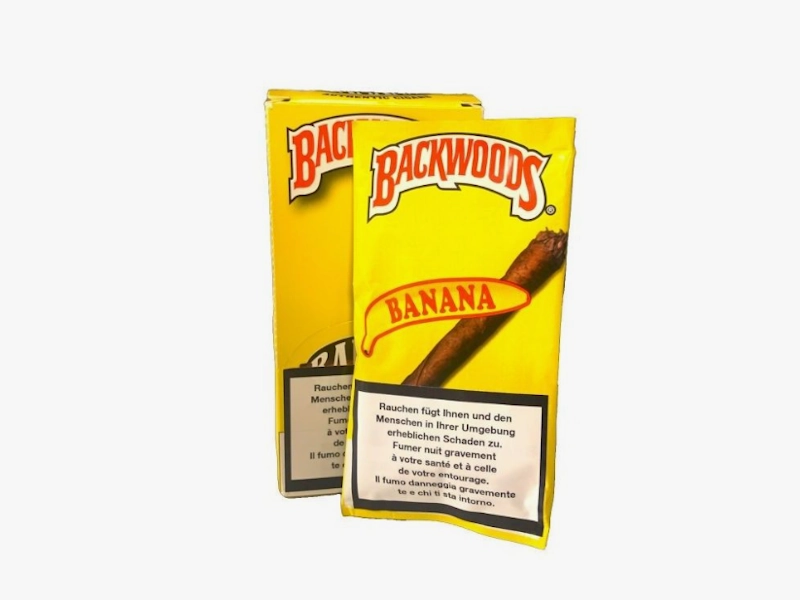
    Backwoods cigars are normally packed in flexible foil packs, not rigid boxes.

    They are small and pliable and are meant to preserve the freshness of the cigars. The most common pack consists of 5 cigars.

    Some typical dimensions of backwoods packaging for a pack of 5 cigars are:

    • Height: 4.5 to 5 inches

    • Width: 3.5 to 4 inches

    • Depth: 0.8 to 1 inch

    Backwoods packaging dimensions can be slightly different based on flavors or batches.

    Nevertheless, they are still similar enough to establish some standards for packaging and storage purposes.

    Why Packaging Dimensions Matter

    Packaging dimensions are not just numbers. They play a key role in how a product is stored, shipped, and displayed.

    For Backwoods, the compact pouch size makes it easy to carry and stack.

    Here’s why these dimensions are important:

    • They help design custom boxes that fit perfectly 
    • They reduce wasted space during shipping 
    • They improve shelf arrangement in retail stores 
    • They protect the cigars from damage 

    When dimensions are accurate, everything from logistics to presentation becomes more efficient.

    Standard Backwoods 5-Pack Pouch Size

    The most prevalent form in the market is the 5-pack pouch. This is because it is compact, lightweight, and convenient to manage.

    This bag stretches slightly, although the base dimensions remain constant.

    This pouch is specifically designed to accommodate cigars without them moving about.

    This maintains the quality and integrity of the cigars within it. Additionally, it locks in the freshness of the cigars.

    As a result, many custom packaging designs rely on these dimensions.

    Most designers make reference to these dimensions when designing cigar display boxes or packaging boxes.

    Backwoods Carton and Box Dimensions

    While individual pouches are common, Backwoods products are often shipped in larger cartons.

    These cartons hold multiple packs and are used for wholesale or bulk storage.

    A typical carton may contain 8 to 10 pouches. The approximate dimensions are:

    • Height: 5 to 6 inches 
    • Width: 8 to 10 inches 
    • Depth: 4 to 6 inches 

    These cartons are made from corrugated cardboard for extra protection. They are strong enough to handle transport while keeping the contents safe.

    Materials Used in Backwoods Packaging

    The material of the packaging plays a big role in maintaining product quality. Backwoods uses foil-based pouches that are both flexible and protective.

    Common materials include:

    • Foil laminate for moisture control 
    • Plastic layers for durability 
    • Paper labels for branding 

    This combination helps keep the cigars fresh while also making the packaging lightweight.

    The materials also support easy printing, which is useful for branding and product information.

    Custom Packaging for Backwoods Products

    The majority of companies opt for making unique packages for their Backwoods cigars. Retailers and wholesalers often prefer this option.

    Custom boxes can allow you to make slight changes in their dimensions to accommodate your requirements.

    For instance, you may make display boxes that will accommodate multiple pouches.

    Advantages of custom boxes include:

    • Better brand awareness

    • Easier product organization

    • Higher customer satisfaction

    • Safe product transportation

    With proper dimensions, custom boxes can be made without any wastage.

    Storage and Shipping Considerations

    Proper storage and transportation are greatly influenced by package size.

    The Backwoods packaging is small in size, and hence very easy to manage in large quantities.

    While storing or transporting, ensure that you consider the following:

    • Do not crush; ensure even distribution in the pile

    • Place in cartons the same size as the pouches 

    • Store in a dry, cool area 

    • Seal properly to preserve freshness 

    A correctly sized box minimizes movements while handling and prevents product damage in transit.

    Retail Display and Shelf Placement

    In retail environments, packaging dimensions affect how products are displayed.

    Backwoods pouches are small enough to fit in compact spaces, making them ideal for counters and shelves.

    Retailers often use display boxes that match the pouch size. This keeps the products organized and easy to access.

    • A well-arranged display can:
    • Attract customer attention 
    • Improve product visibility 
    • Make restocking easier 
    • Increase sales potential 

    The right dimensions help create a clean and professional look on shelves.

    Differences Between Pouch and Box Packaging

    The primary package for Backwoods consists of pouches, while boxes are often used as a secondary package. Both packaging types have their purposes.

    The main differences between these packages are as follows:

    • Pouches are light and flexible;

    • Boxes are rigid and provide protection during shipment;

    • Pouches emphasize freshness;

    • Boxes emphasize transportability and shelf presence.

    Knowledge of these differences will help you in choosing the appropriate packaging option.

    Conclusion

    Backwoods packaging dimensions are rather simple, but it plays a vital role in the packaging process.

    For example, a common packaging – a 5-pack backwoods pouch- is usually 5 inches high, 4 inches wide, and 1 inch deep.

    Every type of packaging, from flexible bags to rigid cartons, was created with a specific purpose.

    Accurate packaging dimensions allow companies to produce quality packaging, reducing waste production.

  • What Is A CPG Company?

    What Is A CPG Company?

    It is a company engaged in the manufacturing and selling of daily products that people consume in their daily lives.

    This is the name of a consumer packaged goods company. These are products that can be consumed and discarded easily, like cleaning products and personal care products.

    These products are found in supermarkets and online shops. People repurchase them repeatedly due to their daily use.

    This renders CPG companies a significant component of our lives and the world economy.

    Understanding Consumer Packaged Goods

    Consumer packaged goods refer to goods that are packaged in ready-to-sell packages and consumed quickly.

    They are consumed in short periods and should be bought frequently, unlike durable goods such as furniture or electronics. 

    • Food items like Snacks 
    • Beverages. 
    • Beauty products
    • Daily use items 

    These are products that are usually cheap and readily available, and thus form a normal shopping list.

    What Does a CPG Company Do?

    The company does all that it takes to transform products from idea to customer. Their work includes: 

    • Creating and developing products. 
    • Creating the packaging that appeals to the buyers. 
    • Manufacturing products at high scale. 
    • Delivery of goods to stores and online stores. 
    • Marketing and advertising to boost sales. 

    These firms specialize in the production of products that are user-friendly, safe, and attractive to the clients.

    Key Features 

    CPG companies have some unique characteristics that set them apart from other businesses.

    • Fast Moving Products
    • Items are used quickly 
    • Customers buy them frequently 
    • High demand leads to constant production 

    Strong Branding

    • Packaging and design play a big role 
    • Brands build trust with customers 
    • Eye-catching labels help products stand out 

    Wide Distribution

    • Products are available in many locations 
    • Sold in supermarkets
    • Strong supply chains ensure quick delivery 

    Competitive Market

    • Many companies sell similar products 
    • Businesses compete on price and branding 

    Types of CPG Companies

    There are different types of CPG companies based on the products they offer.

    • These companies produce items that people eat and drink daily.
    • They focus on hygiene and beauty products.
    • These businesses make items used for cleaning and home care.

    Each type serves a specific need but follows similar business models.

    Importance of Packaging in CPG

    Boxes play a major role in the success of all products. It is not only used to protect products but for branding.

    • Protects the product from damage 
    • Keeps food fresh and safe 
    • Provides important information to customers 
    • Attracts buyers through design and colors 

    Types of Packaging CGP Companies

    There are three basic kinds of packaging.

    • Primary Packaging 

    The first layer that holds the product directly is known as primary packaging. This is the part that is designed uniquely to attract buyers. 

    • Secondary Packaging 

    Multiple products are grouped with the help of secondary packaging. It involves boxes and sleeves. 

    • Tertiary Packaging 

    Bulk handling, storage, and transportation are under this type. It consists of big boxes and pallet-based systems.

    It is a type that guarantees the protection of the products during transportation and makes the loading and offloading of products faster and more effective. 

    Tactics to Make Money

    They earn revenue by selling large volumes of products at relatively low prices. Their success depends on

    • High sales volume 
    • Strong brand loyalty 
    • Efficient production and supply chains 
    • Effective marketing strategies 

    Since products are bought, small profits per item can lead to large overall earnings.

    Issues in the Packaging Industry

    They face several challenges despite their success.

    • High Competition 

    The market is very competitive, with a number of brands that deal with similar products.

    This contributes to price wars, which have the potential to decrease profit margins and complicate the ability of companies to differentiate. 

    • Changing Customer Preferences 

    The needs of customers keep changing. Individuals are now more willing to use healthier and environmentally friendly products.

    The trends are also dynamic, and thus firms have to revise their products to suit the emerging demands. 

    • Green Packaging Pressure 

    There is an increasing demand for natural materials to use in the boxes. That is why they switched to green packaging. 

    Trends in the CPG Industry

    It is constantly developing with new trends shaping the market.

    • Green Packaging

    It is getting more common because individuals are becoming conscious of the environment.

    • Personalization 

    Businesses have turned to the provision of products that are customer-oriented.

    Personalized packaging and discounts can assist a brand in making the customer feel appreciated and comprehended. 

    • Health and Wellness 

    Organic and natural products are increasing in demand. 

    The trends ensure that companies relate well to the contemporary market and satisfy their evolving expectations. 

    They ensure that essential products are always available to consumers.

    • Providing daily-use products 
    • Creating jobs worldwide 
    • Supporting retail and supply chain industries 
    • Driving innovation in packaging and product design 

    Without these companies, it would be difficult to access basic items easily.

    Conclusion

    A CPG company is a company that manufactures and markets daily items that people use on a daily basis.

    These are cheap and global products. CPG companies are included in our daily life, whether it is food and beverage or household products.

  • How Many Cigarettes in A Pack?

    How Many Cigarettes in A Pack?

    Most of the people want to know about the number of cigarettes that are available in the box. A pack comes with twenty sticks.

    How many cigarettes in a pack. Everyone wants to know the answer to this question because buyers always want to get the maximum value for their money. 

    Explore How Many Cigarettes in a Pack.

    An average size box contains twenty sticks. This is the quantity that is prevalent in most countries.

    How many smokes in a pack? Some brands can sell smaller or larger packs but 20 is the standard.

    This is a figure that is easy to carry and sell. It is also in compliance with pricing.

    The pack size awareness will enable the buyer to strategize on how to use it.

    It also assists the sellers in controlling stock. Box size is a huge factor in the tobacco market and the habits of consumers.

    Reasons for 20 Sticks of Cigarette Packs 

    Most boxes have twenty items because it is convenient. This value turned out to be the norm across time. 

    • easy to carry and store. 
    • provides a definite limit on the day for many users. 
    • This renders buying easy and fast. 
    • The size fits well in pockets and bags. 
    • It also assists brands in maintaining the pricing.

    This size is supported by the governments and companies due to its balance between cost and use.

    People also understand how many smokes are in a pack when buying. Twenty sticks provide a fair and easy compromise to the buyer and seller.

    Are There Different Pack Sizes Available?

    Yes, the cigarette packs are available in various sizes not everywhere. There are locations where 10 or 25 stick packs are available. Only others permit the standard 20.

    This will be based on local legislation and market requirements. Less expensive smaller packs can win the interest of new consumers.

    The bigger packs can be more beneficial to regular users. Nevertheless, the majority of the population likes the standard size.

    Various pack sizes provide a customer with increased options.

    Nonetheless, regulations of most countries restrict these choices to regulate smoking and guarantee safety norms.

    Cigarette Pack Sizes Around the World

    The world has different sizes of cigarette packs that are as a result of laws and culture.

    In most of the nations, twenty sticks in one pack are the norm. There are other areas that used to supply smaller packs with ten sticks. This was aimed at lowering the smoking levels.

    There are only a few locations where bigger packs can still be found. Every nation has different regulations on the sale of tobacco.

    These regulations influence what consumers get in the stores.

    This demonstrates the way in which the global markets adhere to some similar patterns, yet leaving the possibility of local changes.

    History of Cigarette Pack Quantities

    The size of the cigarette packs were of different sizes. Companies also tried a large number of pack sizes in the past.

    After some time 20 sticks turned out to be the most popular one. This was a size that was readily manufactured and sold.

    It was also aligned with consumer needs. Companies continued with this standard as the demand increased.

    It was subsequently backed up by governments via rules. This aided in the management of sales and health risks.

    Pack size history reflects the market dynamics of the market. The standard pack today is the end product of the joint efforts of business decisions and efforts to promote health.

    Regulations on Cigarette Pack Sizes

    Governments regulate the pack size of cigarettes through strict regulations.

    These regulations contribute to controlling the risks to health and decreasing smoking.

    There are quite several countries that demand at least 20 sticks in a pack.

    This prevents small packs which are sold cheaply by the companies.

    Clear rules also help buyers understand how many packs in a carton of cigarettes. An average carton can contain 10 packs.

    Labeling and warnings are also controlled by regulations. Such measures safeguard the wellbeing of the populace as well as maintain fair trade.

    In general, legislation has an important role in smoking package and sales in various territories.

    Soft Pack vs Hard Pack Differences

    Cigarette packs come in two main styles: soft and hard. Each type has its own features.

    • Soft packs are flexible and easy to carry. 
    • Hard packs protect cigarettes from damage. 
    • Soft packs are lighter and simpler. 
    • Hard packs last longer and keep shape. 

    Both styles hold the same number of cigarettes. The choice depends on user preference.

    Some people like soft packs for comfort. Others prefer hard packs for protection.

    In the end, both options serve the same purpose. They just offer different levels of convenience and durability for everyday use.

    How Pack Size Affects Pricing

    The price of a pack of cigarettes is directly influenced by its size. The bigger packs tend to be more expensive.

    They might be more valuable however per cigarette. Smaller packs are cheaper in the short term but could be more expensive in the long term. Prices are also highly influenced by taxes.

    Taxes are usually imposed by the government depending on the pack size.

    This assists in curbing the rates of smoking. Pricing is easy to follow with the help of standard packs.

    In general, pack size is used to influence the cost and purchase choices in the tobacco market.

    Consumer Preferences for Pack Sizes

    The pack size is selected by the consumer depending on their needs and habits. 

    There is also the issue of price and convenience. A high number of purchasers remain loyal to the twenty pack.

    It is convenient to locate and easy to transport. Tastes can also be based on local regulations.

    In other places, the choices are few. Nevertheless, customer selection contributes to trends in the market. Firms learn about these habits to boost sales.

    Ultimately, the pack size preference is an indicator of individual requirements as well as the supply in the market.

    Bulk Packs and Cartons Explained

    Cigarettes are often sold in larger quantities called cartons. A carton of cigarettes usually contains 10 packs. Bulk buying is easily done with this.

    Customers have a tendency to use cartons to save on expenses. It also minimizes frequent purchasing.

    Cartons are the storage and transport of choice among retailers. Depending on the pack size, the carton contains some cigarettes.

    When using regular packs it amounts to two hundred cigarettes. Normal users prefer bulk options. 

    Conclusion

    How many cigarettes in a pack? Cigarette packaging has changed a lot over the years.

    Designs have become simpler and more regulated. Health warnings are now larger and clearer. 

    Branding is limited in many countries. Pack sizes are more controlled today. Materials are slowly improving for safety.

    These changes aim to reduce smoking and protect users. Governments and health groups drive these updates.

    Packaging is no longer just about looks. It also carries strong health messages.

    Rules have shaped how packs appear and function over time. This shows how public health concerns influence product design and marketing.

  • What is Lenticular Stickers And How they Work?

    What is Lenticular Stickers And How they Work?

    These are special prints that depict motion and depth of field. Lenticular stickers transform images based on the viewer’s viewing angle.

    This process involves the employment of a distinct lens surface that creates catchy images.

    Custom lenticular stickers are used widely by many companies because they are interactive.

    They can help make your products more visible through stunning packaging or custom creative designs.

    How Lenticular Stickers Work?

    They use a printed image combined with a specially prepared plastic sheet having many ridges.

    These ridges reflect different images at different angles, creating various images.

    Lenticular printing stickers show motion and depth from different angles, making packaging more eye-catching and engaging.

    Different images are sliced together and interlaced in one particular design that is put under the lens surface.

    Many businesses use custom lenticular stickers to create dynamic visuals that catch attention. 

    How to Make Lenticular Stickers?

    Designers develop several images needed to achieve the desired effect.

    They combine them using slicing techniques and interlace all the images into one file.

    Then the design is printed by high-resolution printers. A lenticular lens sheet is carefully attached to the print.

    It is essential to align the sheets properly to achieve quality effects.

    Cutting out stickers in the necessary sizes and shapes is done in the final stage.

    How to Make 3D Lenticular Stickers

    Developing three dimensional stickers begins with designing layered images to achieve a sense of depth.

    Layers represent different distances. Foreground objects and background objects appear in separate layers.

    Designers use software applications to merge layers and produce depth maps. They interlock the image and print it. Then they place a lenticular lens sheet above the image.

    Many brands use 3d lenticular stickers for product packaging and promotions to create a strong visual impact.

    Types of Effects

    There are various visual effects that can be achieved using lenticular stickers to create more dynamic designs.

    • 3D Depth Effect

    Provides an illusion of depth so that the pictures appear raised or layered.

    • Flip Effect

    Alternates between several images depending on viewing angle.

    • Motion Effect

    Features motion in one picture, similar to animated videos.

    • Zoom Effect

    Provides an impression of zooming in or out.

    The above-listed visual effects make the lenticular stickers fun to use and ideal for innovative marketing techniques.

    Materials Used in Lenticular Stickers

    Lenticular stickers are made using high-quality materials to ensure durability and visual clarity.

    • Plastic lenticular lens sheet for visual effects 
    • High-resolution printed paper or synthetic film 
    • Strong adhesive backing for easy application 
    • Protective coatings for scratch resistance 
    • UV-resistant inks for long-lasting color 

    These materials work together to create strong and durable stickers suitable for many uses.

    How Images Change with Viewing Angle

    They shift due to the small grooves present on the surface of the lens. Every groove presents a segment of the woven picture.

    The sticker can be moved or viewed at various angles. It allows for the display of different segments by the eye.

    The results are dynamic effects such as movement and depth. The smoothness and speed of this transition give the sticker an almost living appearance.

    This attribute gives lenticular stickers their distinctiveness and sets them apart from conventional stickers.

    Difference Between Regular and Lenticular Stickers

    Regular and lenticular stickers may look similar at first, but they are very different in function and appearance.

    • Regular stickers show a single static image 
    • Lenticular stickers display motion or 3D effects 
    • Regular prints use flat surfaces 
    • Lenticular stickers use special lens sheets 
    • Regular stickers are simple and low-cost 
    • Lenticular stickers are more advanced and eye-catching 

    Because of these differences, lenticular stickers are more engaging and better for marketing and branding purposes.

    Common Uses of Lenticular Stickers

    They have numerous applications across various sectors. They are commonly utilized in product packaging, promotional campaigns, and branding activities.

    Companies use them to entice consumers and enhance their visibility on the aisles. 

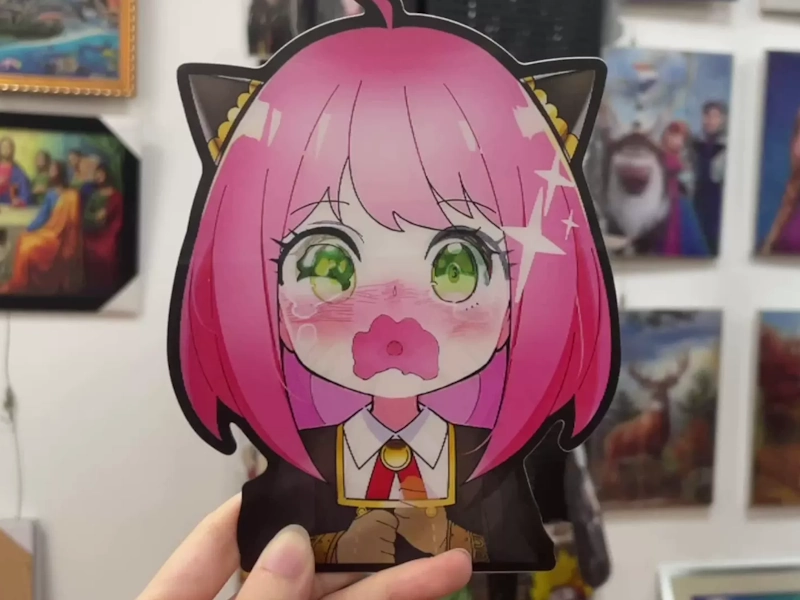
    They are also used in collectibles like anime lenticular stickers. That makes them popular among fans.

    Additionally, they are used in labels, event promotions, and creative marketing projects where visual impact matters most.

    Why Brands Choose Lenticular Stickers

    Companies select lenticular stickers for their high visibility and interactive attributes.

    These stickers are eye-catching and provide a memorable experience for consumers.

    They distinguish themselves from other stickers in terms of attractiveness and interactivity, making customers curious and engaging with them.

    Key Features – Make Them Stand Out

    Lenticular stickers have several unique features that make them highly effective for branding and marketing.

    • Eye-catching 3D and motion effects 
    • Durable and long-lasting materials 
    • High-quality print clarity 
    • Custom shapes and sizes available 
    • Strong adhesive backing 
    • Weather and scratch resistance 

    These features make lenticular stickers a powerful tool for creating a strong visual impact and enhancing product presentation.

    Conclusion 

    Lenticular stickers are an innovative and modern method of presenting animated graphics.

    They have advanced lens technology that creates fascinating effects, which are guaranteed to draw anyone’s attention immediately.

    Custom lenticular stickers have become an important asset for many companies that wish to build a brand or make their products more appealing to potential customers.