

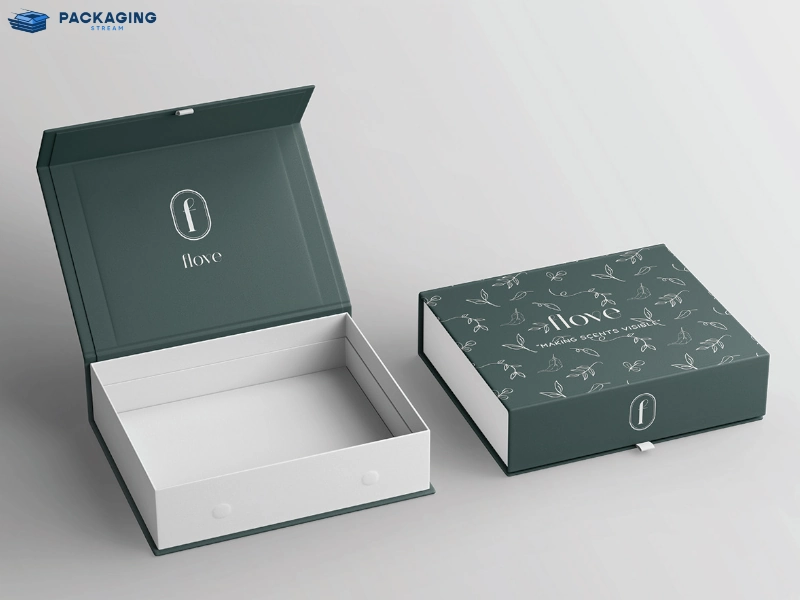
This is a tough material that is used in quality packaging. It is thick and durable in contrast to normal paperboard.
Rigid stock retains its shape and can be used in detailed printing and finishing. It is used with luxury goods that need to be sleek and dependable.
Its strength and appearance have been the best seller in retail, custom, and display packaging.
Process of Manufacturing Rigid Stock
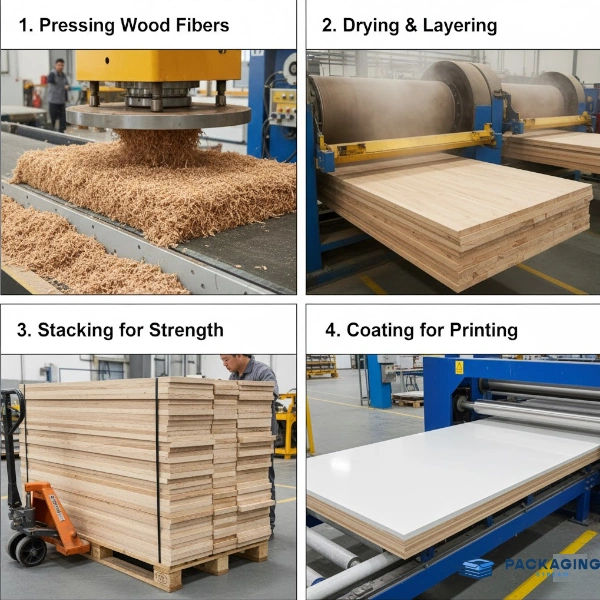
It is made of high-quality wood. The fibers are crushed, pressed, and dried into thick sheets. Several layers are put together to obtain the required thickness and rigidity.
A rigid stock is coated to enhance superior printing and finish. Following the process of drying and cutting, the sheets are checked according to strength and weight, and surface consistency.
This is a cautious procedure that produces long-lasting material to be used in high-end packaging.
Common Materials Used
It can be made from a variety of materials to suit different packaging needs.
- Virgin wood pulp provides natural strength and smooth surfaces for high-end printing.
- Recycled fibers are a green option with good rigidity and performance
- Blended materials combine strength and cost efficiency
These materials are chosen based on product weight and visual appeal.
Thickness and Weight
This material weighs more than normal paperboard and is thicker. Depending on the requirements of the products, their thickness can range between a few millimeters and more than a centimeter.
Greater weight will offer greater protection, yet may enhance costs of shipping. Lightweight will be easier to carry around as well as to fold.
The weight and thickness should be properly maintained to carry the product without looking untidy and low-quality.
The correct combination of boxes is determined to make them strong, stable, and attractive to the eye, both in retail packaging and custom packaging.
Rigid Stock vs Paperboard
Both are different in their strength and thickness. Rigid stock is heavier. It does not bend when pressured and it does not bend.
Paperboard is less heavy and more flexible, and suited to ordinary folding cartons.
Paperboard can be printed on, whereas rigid stock can be given high-end finishes and structural integrity. Choosing between the two depends on product value and visual appeal.
Strength and Structural Stability
It has very good strength in its thickness. This is because its structural integrity enables the use of complex shapes such as magnetic closures or window cutouts without affecting the life cycle.
This is its strength as it will safeguard the product and retain its sophisticated look to the finished product until delivery.
Best Option for Luxury Packaging
This material is widely used in luxury packaging because it exudes quality. Its thick structure creates a premium feel in the hand. The use of finishes makes them attractive
Its durability ensures products arrive safely while maintaining elegance. Brands use it to convey value and create a memorable unboxing impression.
Product Protection
It offers a good defense against fragile or precious things. It is hard to crush and bend as the density prevents product damage. Extra stability may be added using custom inserts.
This material is used in the manufacturing of boxes that absorb slight shocks when they are handled and in transit.
It is also constructed firmly, hence it cannot move around within the packaging, which minimizes the risk of damage.
The strength of the material will be appropriate for retail shelves, shipping, and storing in the long term.
It gives assurance to the brand and the purchaser of the products as they are received in good condition and with a lot of confidence and comfort.
Cost Factors
It is more expensive than standard paperboard because of its thickness, the fiber, and the process of its production.
High-density sheets, custom shapes, and premium finishes are cost-addition factors. Nevertheless, it is less damaged because of its long life.
Cutting and folding of materials is done efficiently to reduce waste. Although the initial costs are expensive, this material is more perception-creating and safer as a product.
Brands need to strike a balance between the budget and design, presentation, and product safety.
Shelf Life and Storage Performance
It maintains strength and appearance over time, and its thick design has made it hard to bend. Boxes stored in proper ways preserve their shape and surface quality for months or even years.
This stability is relevant to seasonal products, collectibles, or long-term storage items. Brands can use these boxes to store and show inventory without becoming unattractive.
This is the perfect material due to its longevity and consistent quality, to be used in packaging that is reliable and long-lasting.
Custom Size and Shape Boxes
This material is highly versatile for custom packaging. It is easy to transform into various shapes and sizes. This is the best option to create complex designs.
- Magnetic closures
- Sliding drawers
- Multi-tiered boxes
Custom inserts and compartments fit securely inside without compromising stability.
Brands can produce packaging tailored to specific products while maintaining a premium appearance.
This flexibility allows creative solutions for presentation and protection. Its use ensures that even unusual shapes remain strong and practical for shipping and display.
Conclusion
Rigid stock is a powerful and high-quality packaging material. It strikes a balance between durability and structural integrity.
Several types are used to satisfy other product requirements and design objectives. The branding and customization are facilitated by easy printing and finishing.
This material helps in securing products, improving shelf life, and creating innovative box designs.
It is a product that can address retail, luxury, and custom packaging needs through proper selection.

