

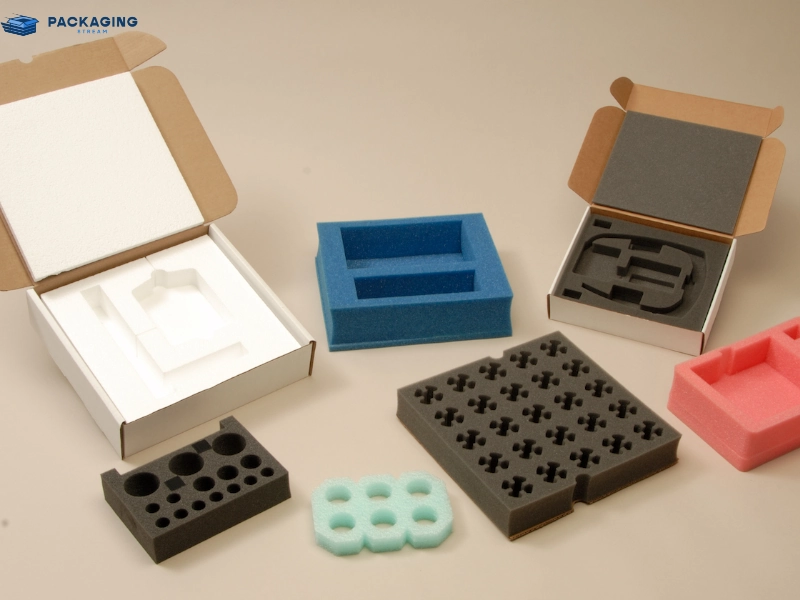
Customers learn about the brands and products with the help of inserts included in the packaging. Minor details are considered and well reflected.
They also ensure that the unboxing process is memorable. Many businesses use various packaging insert ideas to attract consumers in ways other than the product itself.
Such inserts as thank you cards, instructions, or vouchers will make people buy again. Whenever customers experience that they are looked after, they tend to come back.
The personalized or informative inserts enhance trust and brand attachment. Their attractive designs create good impressions, satisfaction, loyalty, and repeat business.
Minor details can make a major difference in the retention of customers and the brand image.
Packaging Inserts Increase Customer Loyalty
Inserts in the packaging inform customers and make them feel special. They respond to frequent post-purchase enquiries.
Clarity eliminates confusion and returns. Brands that instruct customers in the right direction are appreciated by the customers.
Personal connection is also achieved by the use of inserts. Even basic communication or instructions can make a good impression.
Over time, this builds trust. The loyal customers frequently revisit it and refer to the brand. Packaging insert ideas work best when they are relevant.
They are expected to be in line with the product and customer requirements. Regular inserts are concerned and considerate. This is consistent work that helps to maintain long-term relations with customers.
Creative Packaging Insert Ideas
Creative inserts focus on usefulness, not decoration. They solve problems or share knowledge. Simple layouts work better than crowded designs.
Inserts can explain usage, storage, or benefits. They can also guide customers to the next steps. Creativity comes from clarity.
A well-structured insert feels thoughtful. It respects the customer’s time. Good ideas avoid excess text. They use short lines and clean visuals.
Creative inserts fit the product style. They add meaning without adding confusion. This approach keeps packaging practical and effective.
- Thank You Cards
Thank you cards acknowledge the customer’s choice. They create a polite first impression. Simple wording works best. A short message feels genuine.
These cards can confirm appreciation without selling. Customers notice small gestures. A thank-you card also humanizes the brand.
It shows effort beyond the product itself. Clear fonts and calm colors improve readability. The card should feel sincere.
It should avoid long messages. When done well, thank you cards support trust and positive brand perception.
- Product Information Sheets
Product information sheets explain key details. They help customers understand features and usage. Clear instructions reduce misuse.
These sheets answer questions quickly. They can include safety notes and specifications. Simple language improves understanding. Bullet points help scanning.
Good spacing improves readability. Information sheets are useful for technical products. They also help first-time users. Accurate details build confidence.
Customers rely on clear guidance. Well-made sheets reduce support requests. They make the product experience smoother and more reliable.
- Discount or Promo Vouchers
They encourage repeat purchases. They provide value without pressure. Clear terms are important. Customers should understand how to use them easily.
Simple offers work better than complex rules. Vouchers can guide customers back to the store. They should feel optional, not forced. A clean design helps readability.
Small incentives often feel rewarding. These inserts work best when relevant. They support future engagement.
When used carefully, vouchers strengthen customer interest and return intent.
- Samples or Mini Products
Samples introduce customers to related products. They allow trial without risk. This builds familiarity. Samples should match customer interests. Clear labels are important.
Customers need to know what the sample is. Small sizes are enough. Samples add value to the package. They also help customers make informed choices.
Good samples feel intentional. They should be easy to use. When relevant, samples support discovery and trust. They help customers explore options calmly.
- Branded Stickers or Decals
They offer simple brand visibility. They are easy to include. Customers often reuse them. Stickers can be placed on notebooks or devices.
This extends brand presence. Designs should stay clean and minimal. Loud graphics reduce appeal. Stickers should match the brand tone.
Durable material improves usability. These inserts feel light and optional. They do not require instructions.
Stickers work well as supportive branding tools. They add personality without overwhelming the package.
- Instructions about Products
These inserts explain product maintenance. They help extend product life. Clear steps prevent damage. Simple wording avoids confusion.
These instructions are useful for fragile or reusable items. Customers appreciate guidance. Icons can help understanding. Short sentences work best.
Care inserts reduce complaints. They also support product safety. Proper care improves satisfaction. These inserts show responsibility.
They help customers use products correctly. Well-written instructions improve long-term product experience.
- Loyalty or Referral Cards
Loyalty cards explain reward systems clearly. Referral cards guide sharing with others. Both should stay simple. Customers need a quick understanding.
Clear benefits matter more than long explanations. These cards encourage ongoing interaction. They should explain the steps briefly.
Clean design improves trust. Overly complex rules reduce interest. Loyalty inserts work best when transparent.
They support long-term engagement. When clear and honest, these cards strengthen customer relationships over time.
Customization for Packaging Inserts
Customization makes inserts more relevant. It helps brands communicate better. Tailored inserts feel thoughtful and clear.
They align information with customer needs. This approach improves understanding and satisfaction.
- Audience-Based Customization
These inserts focus on customer type. New users need guidance. Returning users need updates. Simple language helps both.
Content should match the experience level. This reduces confusion. It also improves clarity. When inserts fit the audience, they feel useful and respected.
- Product-Specific Modification
They match the exact item. They explain features clearly. Generic inserts often confuse users. Specific details improve accuracy. This helps customers use products correctly. Clear focus reduces errors. It also improves product confidence. Accurate inserts support better user experiences.
- Design and Layout
Design affects readability, and clean layouts help scanning. Fonts should stay simple. Colors should support clarity. Overdesign reduces understanding. Layout should guide the eye.
Good spacing improves focus. Design customization supports communication. It makes inserts easier to read and remember.
- Message and Tone Customization
Tone should match the brand voice. Informational tone builds trust. Friendly language feels approachable. Avoid complex words. Short sentences work best.
Consistent tone avoids confusion. Message clarity matters. This creative packaging insert approach improves connection and understanding.
Customization improves relevance. It supports clarity and trust. Thoughtful inserts create better product experiences overall.
Conclusion
The right inserts enhance customers’ experience and secure products, so it is good to be creative with packaging insert ideas.
These may be informative, functional, and promotional. Inserts help in the unboxing process, give instructions, and create loyalty as well.
Considerate choice and design of inserts make the packages safer, professional, and memorable.
High-quality inserts are an added value to the product, demonstrating that the brand is concerned about its customers and the experience they have altogether.

