

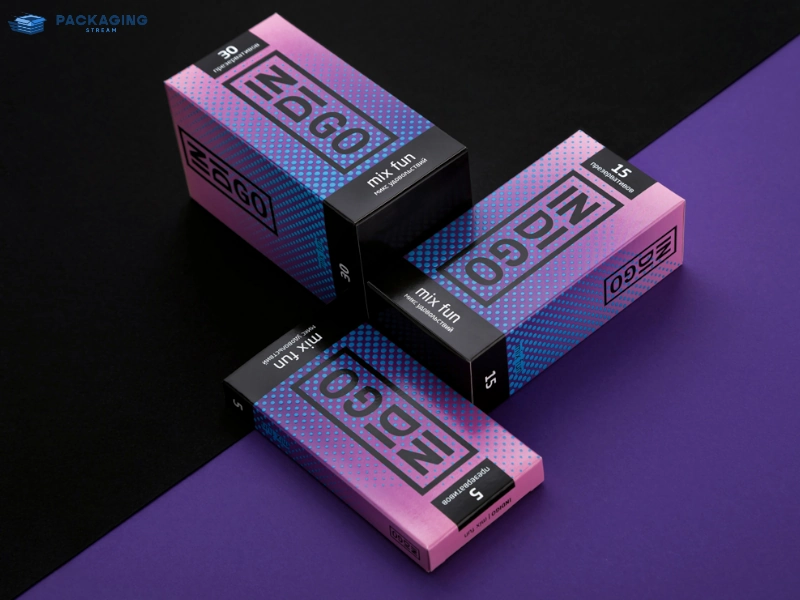
Aqueous coating is a layer used on printed surfaces, which is made out of water. It dries quickly and gives protective cover to the surface.
This layer also enhances the end appearance of packaging. This finish is made with water as the carrier. That renders its usage safe and simple to implement.
It is widespread in paper wrapping. It is used to prevent the wear and tear of ink by printers.
The coating maintains clean surfaces. It also assists in the appearance of boxes, making them look finished.
The Aqueous Coating Shield Your Packaging Craves
This coating is a thin layer on printed packaging that protects it. It is a clear water finish that is overlaid evenly over the surface.
The coating creates a slick coating upon drying. This coating assists in protecting packaging against light scuff and dirt. It also minimizes ink rub when handling.
It is a straightforward process, and it is compatible with printing lines. Due to its even distribution, print detail is not concealed.
Rather, it preserves the sharpness of text and images. Most brands opt to use this finish when they require a clean-looking finish and an additional surface strength.
How Does Aqueous Coating Work?
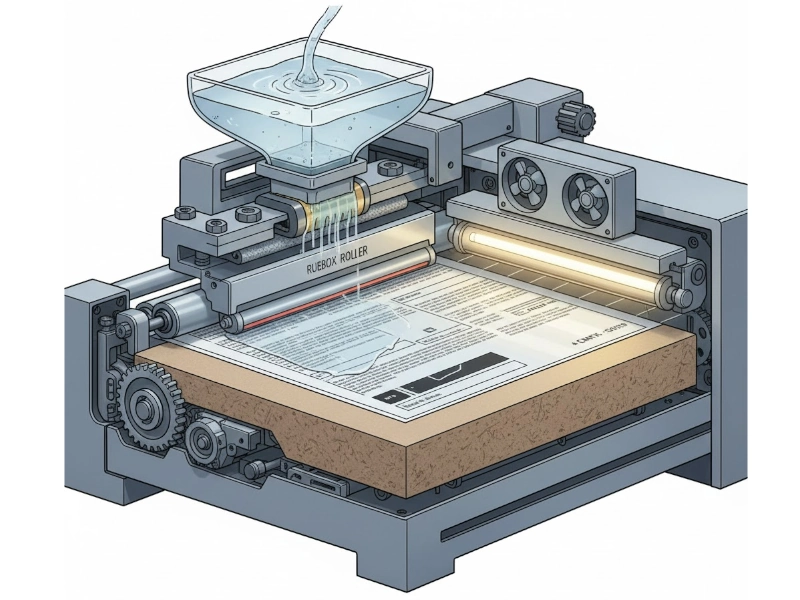
The process starts after printing is complete. A liquid layer made with water is applied across the surface.
Rollers spread it into a thin and even film. Heat or air helps the layer dry quickly. Once dry, it becomes clear and smooth. The coating bonds with the printed sheet. This bond adds light protection and a refined touch.
The method works well on paperboard and similar materials. It does not soak deep into the sheet. It stays on top to protect and finish the surface.
Benefits of Aqueous Coating for Packaging
Printed packaging has a number of practical benefits with this finish. It helps in protection, outlook, and manipulation. The primary advantages are listed below and explained in detail.
- Added Surface Protection
The coating creates a thin layer on the print. It aids in dishonoring scratches and smudges. The packaging remains clean throughout storage and transportation.
- Improved Print Clarity
Colors are understandable and clear. Images or text are not clouded by the layer. Print information remains crisp on drying.
- Fast Drying Time
The layers that are made of water dry very fast. This accelerates the production flow. Sooner sheets can be stacked without being damaged.
- Smooth Handling
The surface is smooth to the touch. This comes in handy when packing and shipping. Boxes can be moved freely.
- Supports Compatibility with Printing Lines
The procedure is compatible with the majority of press systems. It does not require using special tools. This makes it easy to apply.
- Safe to Handle
The low odor and weak content are safer for workers. It builds a print-friendly atmosphere.
With such advantages, the coating can be applied in numerous applications in packaging. It is a compromise between functionality and outlook. That is why it is a viable option when using the printed boxes on an everyday basis.
Types of Aqueous Coating Finishes
Various finishing styles can be used to achieve different packaging objectives. Popular finish styles are listed below.
- Gloss Finish
This variant makes the printed surfaces shiny. The colors are brighter and darker. It is good with visual pop designs.
- Satin Finish
Satin offers a soft shine. It is between smooth and flat appearances. This makes the packaging experience a smooth and balanced one.
- Matte Finish
A flat surface reduces glare. It provides a relaxing and contemporary appearance. Clean designs are normally selected using aqueous matte coating.
- Soft Touch Effect
Other versions develop a silky feeling. The surface is lubricated and smooth. It gives the product a high-end feel.
- Neutral Clear Finish
It is a solution that maintains the natural appearance of print. It defends without being detected. It is compatible with easy package designs.
Every finish has a definite purpose. The option will be based on handling and design requirements. The choice of the right one contributes to the packaging being right and working well.
Aqueous Coating vs Other Coating Options
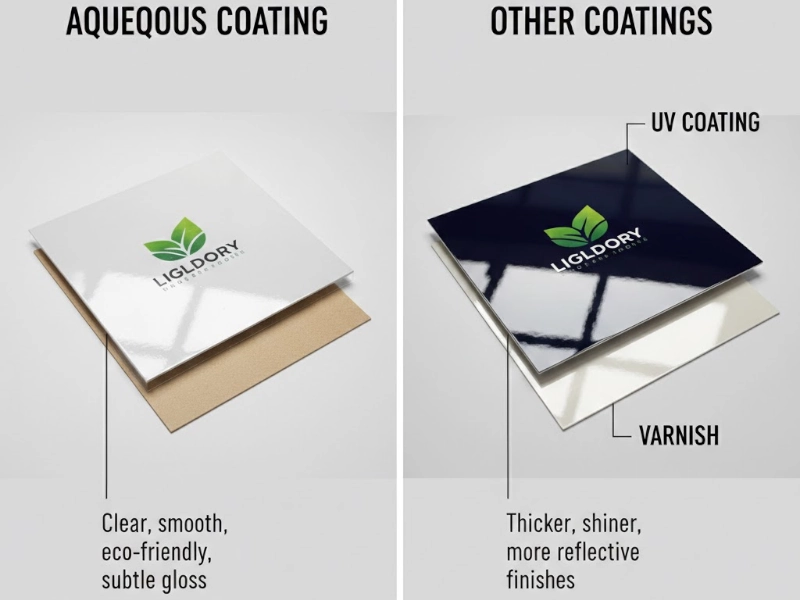
Different coating methods serve different needs. Water-based finishes focus on simplicity and speed. Other options may offer stronger gloss or texture.
UV layers cure faster under light and feel harder. The comparison often comes down to use and cost. Aqueous coating vs UV coating is a common discussion in print planning.
One favors balance and ease. The other focuses on bold visual impact. Each method has a place.
The right choice depends on packaging function, print volume, and desired surface feel.
Is Aqueous Coating Eco-Friendly?
This coating uses water as its main base. That reduces heavy chemical use. It produces low odor during application. Waste handling is also simpler compared to solvent methods.
The process supports cleaner print spaces. It works well with recyclable paper materials.
While it is not fully impact-free, it is considered a safer option. Many printers choose it to reduce environmental strain.
Its simple formula helps limit harmful emissions. That makes it suitable for brands focused on responsible packaging practices.
Cost of Aqueous Coating
The cost is usually moderate. It is cheaper than certain specialty finishes. The application has no complicated machinery.
This assists in restraining the production costs. The pricing varies based on the sheet size, coverage, and print volume. It is also quick to dry and, therefore, time-saving.
A quicker turnover will lower the labor expenses. It works well for large runs. This renders it a feasible option for standard packaging purposes.
All in all, the price-performance ratio renders it affordable for most of the packaging projects.
How Long Does Aqueous Coating Last?
Durability depends on the process of handling and storage. The coating prevents light wear and marks on surfaces. It is not designed to be hard-worn.
It holds perfectly well under normal circumstances through shipping and display. The layer remains transparent in the long run. It does not yellow easily. Correct storage is used to increase its longevity.
It is significant to make sure that the packaging is dry. It works well when used in short to medium use cycles.
It aids in a clean-cut presentation up to the point of the package being delivered to the final customer.
Is Water-Based Coating Kind to Earth?
Finishes that are water-driven are softer. They do not depend so much on harsh chemicals. This reduces the air effect of printing. Cleaning is done by using water rather than solvents.
That reduces waste risk. Recyclable paper packaging is suitable for the coating. It is compatible with responsible print objectives. Although it continues to use resources in production, the net effect is less.
Numerous printers appreciate this equilibrium. It assists in satisfying environmental requirements and does not compromise on the fundamental surface protection or print quality.
Conclusion
Aqueous coating is a convenient and effective protection method for printed packaging. The procedure is simple to implement and does not resemble most print configurations.
It is a water-based product that is safer to handle and produces less pollution. It has various finish colors and an affordable price; this makes it effective in daily packaging.
This balance of protection, appearance, and practicality makes it a widely used print finishing choice.

