

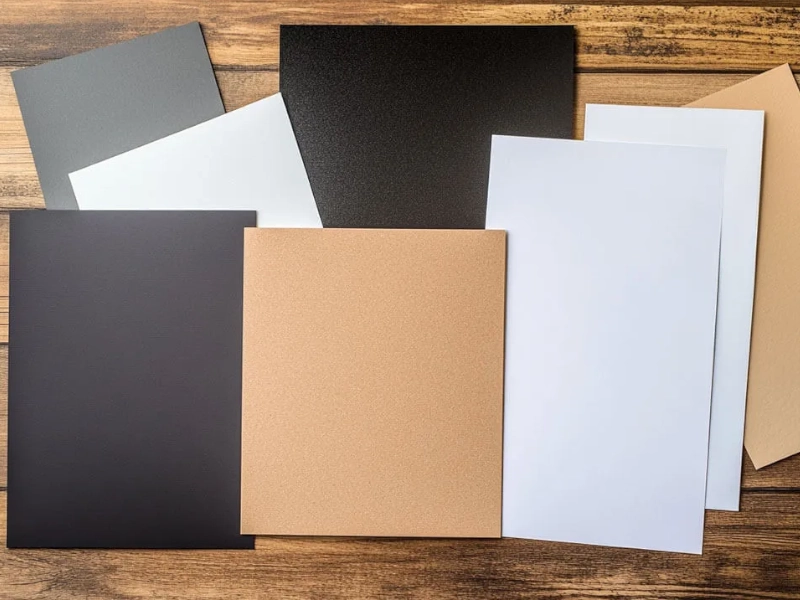
Cardstock refers to a thick and strong paper. It is heavier than paper and lighter than cardboard. A lot of creative and professional projects may be done with cardstock. It is versatile because it is available in various colors and finishes.
People tend to use it in invitations and business cards. There are white and colored choices that are very common. It is strong and has a smooth surface where the prints and designs can be held.
The Essentials of Cardstock
It is valued for its thickness and strength. Diversity is another feature that makes it versatile. It is very strong compared to normal paper. This makes it ideal for creating different types of packaging.
Cardstock is also available in different finishes such as matte and textured. It may be colored; however, white cardstock is a common choice across the packaging sector.
The weights vary based on the pounds or grams per square meter, which influence the rigidity or elasticity of the paper.
How Cardstock Is Made?
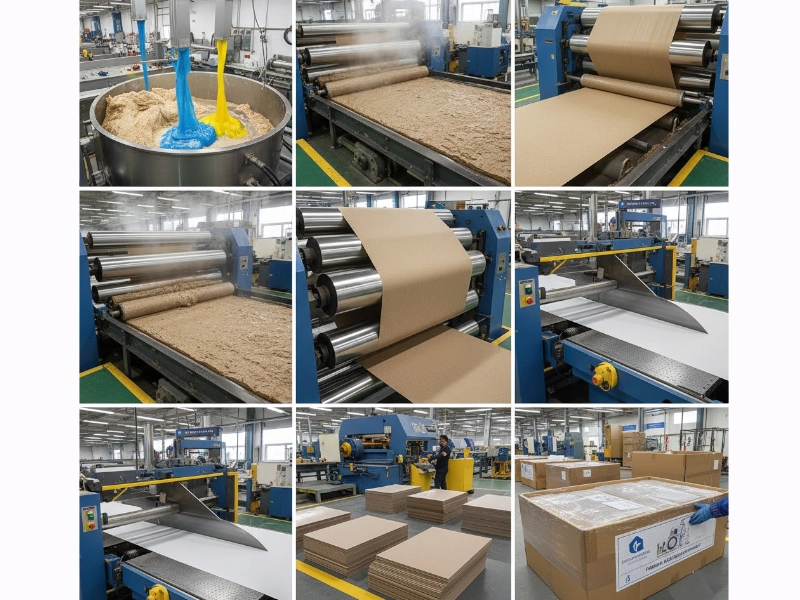
Cardstock is produced by treating wood pulp or recycled materials. The fibers are compacted and dried to form a thick and tough sheet.
Additives are put there during production in order to enhance smoothness and color, or printability.
The sheets are pressed between rollers to give the required thickness and finish. Some cardstocks are coated with a shiny surface, and some have no coating at all, leaving them with a natural texture.
Then these sheets are cut into standard sizes and then packaged to be used.
Common Types of Cardstock Paper
This material comes in many types with unique characteristics.
- Cover Stock
It is a thick paper, ideal for making covers and postcards. It supports all types of inks. It is customizable in any shape and size with a smooth or textured finish.
- Bristol Board
This is smooth and heavyweight, and it is best used in illustrations and crafts. It does not warp and gives a clean surface on which to write markers, pens, or digital prints. It is very flexible due to its longevity.
- Textured Cardstock
Trended cardstock is a textured cardstock that enhances depth and style to projects. It may contain linen, canvas, or embossed finishes, adding to invitations or craft work.
- Recycled Cardstock
This is used to create recycled cardstock. It is strong and easy to use for all types of packaging projects.
- Coated Cardstock
The surface is coated with cardstock that has a smooth surface, which enhances the quality of the prints. It is good with photographs, brochures, and flyers. Coatings may be gloss, matte, or satin, depending on the needs.
- Uncoated Cardstock
The uncoated cardstock has a natural and tactile feel. It can be written on easily and is appropriate for stationery, note cards, and handcrafted items.
- Matte Cardstock
It is a flat surface with a non-shiny finish. It eliminates glare with a vintage and professional appearance. This is for those printed projects where a soft touch is required.
- Glossy Cardstock
It comes with glossy paper that improves colors and images. It works very well with photo prints, brochures, and marketing materials. The shiny surface renders designs to be vivid and vivid.
- Kraft Cardstock
This is a brown and natural option that has a rustic touch. It comes with green packaging options that make invitations. Kraft has a natural appearance that is a touch.
All these types come with several properties. It needs to select the right option as per the requirements.
Thickness Levels of Cardstock
The thickness of cardstock is calculated in points or weight. The commonly used ones include two choices: light (65 lb to 80 lb) and heavy (100 lb to 130 lb).
Heavy-duty cardstock is much stronger and has better holding capacity. The slimmer ones are easy to fold and bend. The thickness varies project by project.
The business cards or invitations can be done on heavier stock, while the craft projects or leaflets can be done on light stock. All these factors at an appropriate level provide a professional result.
Cardstock vs Regular Paper
Ordinary paper is light and soft. It can be used in daily printing. These properties enable cardstock to sharpen its print and give a more professional appearance.
Cardstock is used in the case of crafts, business cards, or invitations, whereas regular paper is good for letters, drafts, or other general printing.
Popular Uses of Cardstock
The cardstock is diverse and universal. It is usually applied to invitations, greeting cards, business cards, postcards, and brochures. Illustrations, sketches, and markers are done on cardstock.
It is used by companies to package their products, carry out promotional materials, and present boards. It is durable and has a high print quality, which makes it fitting for the products that need to be durable and have a professional look.
There is an option of both white and colored card stock that can be creative and branded. Cardstock is also layered, folded, or cut into a shape to be used in a range of designs.
Printing Options for Cardstock
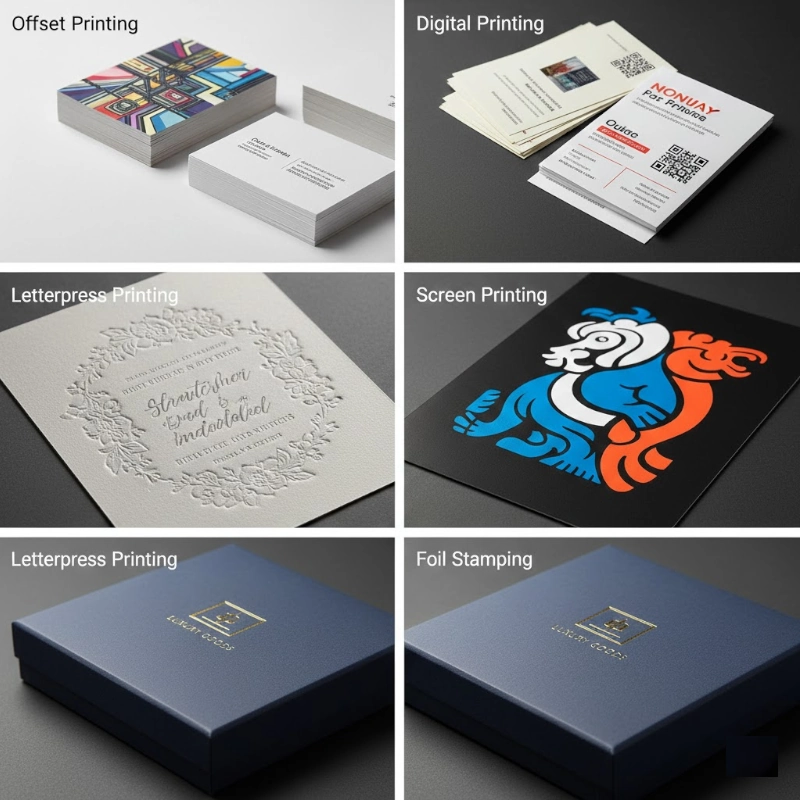
Cardstock supports many printing techniques. All they allow is high-quality results. Popular methods include:
- Offset Printing is precise and consistent. It is ideal for large runs.
- Digital Printing is quick and affordable for short runs.
- Letterpress Printing creates embossed and tactile designs.
- Screen Printing applies vibrant colors on thick stock.
- Foil Stamping adds metallic accents for luxury projects.
It needs to choose a printing method that depends on the project’s needs and budget.
Certain stocks, like glossy or textured, may suit specific printing techniques better. It ensures professional results every time.
How to Choose the Right Cardstock
Selecting the right cardstock depends on project requirements:
- You must focus on objectives that can be invitations or business cards.
- They offer a variety of finishes like matte and textured.
- Consider a weight that varies from light to heavy.
- They are available in different colors and in white as well.
- Some stocks print better with digital or letterpress.
It needs to evaluate these factors helps achieve the best look and durability. The wrong choice can affect print quality or stability.
Proper selection ensures professional results that match your purpose.
Conclusion
Cardstock is a thick paper that is stronger than regular paper. It may be smooth and textured/matte. This is applied to packaging and business cards.
It is versatile, and its quality of print makes it applicable in lots of professional and creative jobs. The choice of the type will make your work look robust and attractive.

